
Digital Barriers Transform Shipping Industry Dynamics
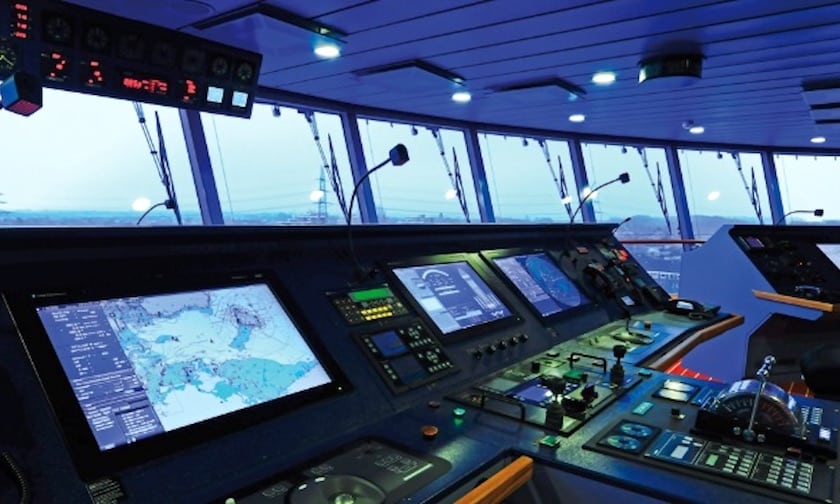
In the shipping sector, low entry barriers are increasingly countered by digital exit barriers established by IT vendors. The dry bulk and tanker markets exemplify this trend, where standardized vessels allow newcomers to enter the market easily. However, the reliance on proprietary technology and complex systems creates challenges for existing players, making it difficult to switch vendors without incurring significant costs and risks.
Market Dynamics and Entry Challenges
The dry bulk and tanker markets are characterized by their commoditized nature, where vessels are largely standardized and accessible to new entrants. This environment allows newcomers to acquire vessels and begin trading with relative ease. Unlike many industries, established players cannot leverage proprietary technology or brand loyalty to maintain their market positions. Chartering is primarily conducted through brokers, ensuring that market information remains transparent. This transparency means that even first-time entrants can compete effectively, particularly if they offer lower prices.
While financing is often cited as a potential barrier to entry, it remains accessible. Banks, leasing companies, and alternative capital providers actively seek shipping investments, lending against the vessels rather than the operators. Operating costs across the industry are similar, limiting the economic advantages of scale. Consequently, profitability in the dry bulk and tanker markets hinges on the global freight cycle rather than strategic entry barriers. Price formation is dictated by supply and demand dynamics, contrasting with the cost-plus margin approach seen in other sectors.
The Rise of Digital Solutions and Exit Barriers
As the shipping industry faces increasing regulations and demands for efficiency, digitalization has shifted from an optional enhancement to a critical necessity. Many shipowners and charterers are now adopting Voyage Management Systems (VMS), which optimize and track the entire lifecycle of maritime voyages. These systems automate various aspects of commercial shipping, from planning to post-voyage analysis.
However, the integration of VMS comes with challenges. IT vendors often employ proprietary architectures and closed standards, resulting in unique workflows that complicate transitions to alternative systems. This creates high switching costs for customers, as migrating data or re-engineering integrations can be labor-intensive and risky. The VMS becomes deeply embedded in the operational framework of the company, making removal or replacement a daunting prospect that threatens business continuity.
Navigating FuelEU Maritime: Challenges and Solutions for Shipping
The fear of operational downtime, data loss, and user resistance during migration contributes to a significant barrier to exit. As a result, IT vendors find themselves in a strong position to increase their fees, capitalizing on the reluctance of companies to switch systems. Looking ahead, the potential for IT vendors to connect the VMS of shipowners with those of charterers through innovative matching solutions could lead to substantial disintermediation in the industry.
