
Iran Unveils Domestically Built Advanced Ship Bridge Simulator for Maritime Training
Innovative Maritime Simulator Enhances Training for Civilian and Military Sectors
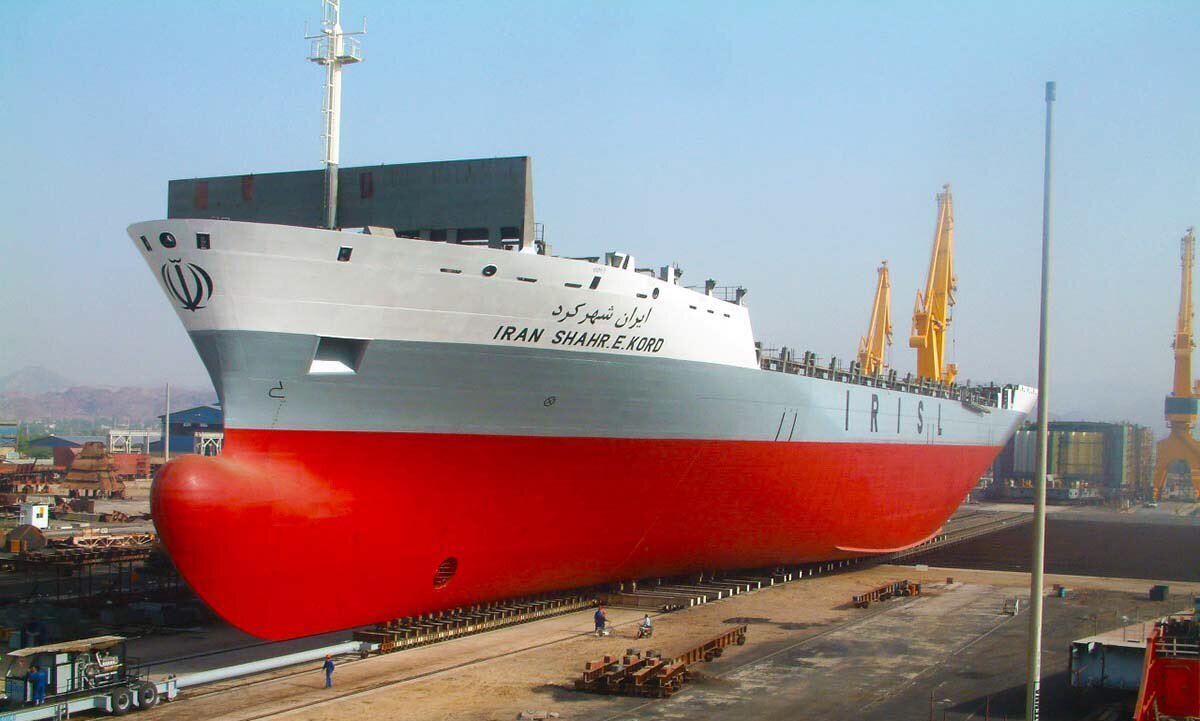
A cutting-edge maritime simulator is revolutionizing training for both civilian and military maritime education in Iran. The system, which can replicate a wide range of vessels from lifeboats to large bulk carriers and military warships, is designed to provide comprehensive training experiences. Mohammad Hossein Kardar, the operator of the simulator, shared insights about this multifunctional technological tool in an interview with the Tasnim news agency.
Currently, the simulator boasts detailed data on 300 light and heavy vessels, with 14 projects completed to date. Kardar emphasized the simulator’s importance in maritime education, likening its function to that of driving schools. He stated that users can acquire up to 90% of the necessary skills in a simulated environment before transitioning to real maritime conditions. This approach not only enhances safety but also prepares trainees for various operational scenarios they may encounter at sea.
The simulator has been installed in four maritime schools located in Bandar Abbas, Khorramshahr, Bandar Torkaman, and Chabahar. Additionally, two advanced military versions equipped with combat information centers and combat capabilities have been deployed for the Iranian army in Bushehr and Bandar Abbas. This dual application underscores the simulator’s versatility and its potential to meet the training needs of diverse sectors.
Customization and Future Developments in Maritime Training
Kardar highlighted the simulator’s customization capabilities, which allow for tailored equipment levels and configurations based on client specifications. For instance, display viewing angles can be adjusted to 180 or 270 degrees, depending on the requirements of the training institution. This flexibility ensures that the simulator can cater to a wide range of educational and operational needs.
Looking ahead, Kardar noted that four new projects are set to be implemented this year in Bushehr and Bandar Abbas. While the final cost of the simulator varies, it is generally priced at about one-third of comparable foreign systems, making it an attractive option for local educational and military institutions. Currently, the focus remains on domestic clients, with no exports planned at this time. However, Kardar mentioned that new capabilities are under development, which could expand the simulator’s applications in the future.
In addition to the bridge command module, the simulator will soon include an engine room simulator, liquid cargo loading operations (LICO), and a cargo handling workshop. These enhancements aim to provide a comprehensive training solution for aspiring seamen and captains, ensuring they are well-prepared for their maritime careers. As the project progresses, it is poised to significantly impact maritime education and training in Iran, fostering a new generation of skilled maritime professionals.
