
EU Moves to Reform Ship Recycling Standards
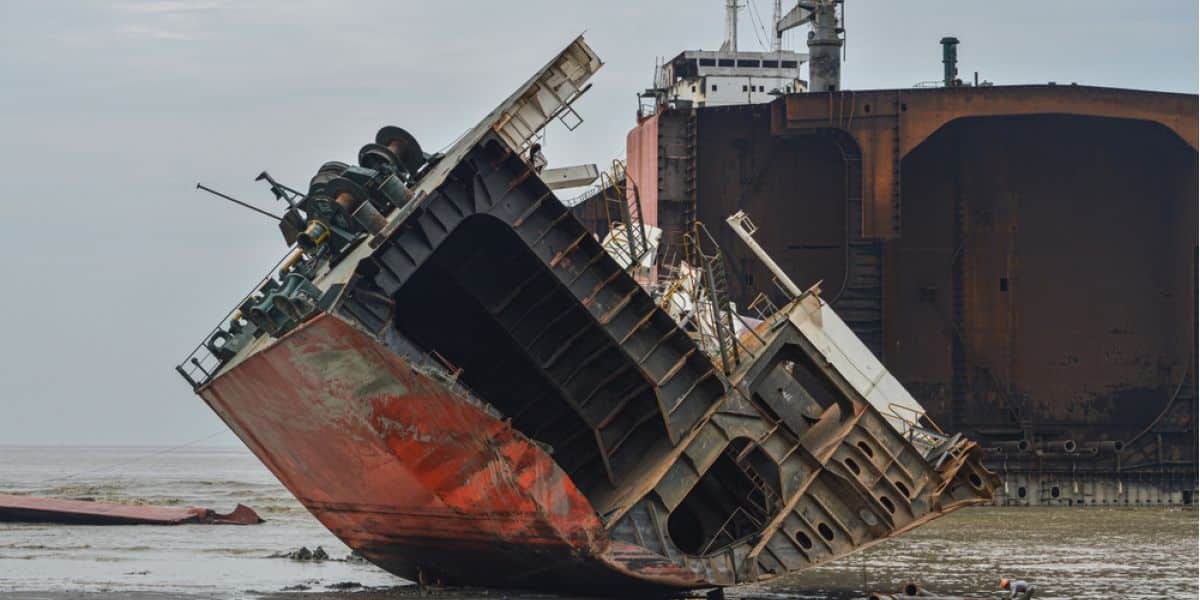
The European Commission has initiated a crucial consultation regarding the 15th update of the European List of ship recycling facilities. The NGO Shipbreaking Platform is advocating for the removal of Turkish facilities that employ the controversial landing method and is urging the exclusion of Indian ‘beaching’ yards. They also emphasize the need for capacity development aligned with circular economy and decarbonization goals.
Concerns Over Ship Recycling Practices
The decision to remove the Dörtel ship recycling yard in Aliağa, Turkey, marks a significant step in addressing hazardous practices in ship recycling. An inspection by the European Commission revealed that the facility was dismantling ships while still partially submerged, lacking essential safety features like an impermeable floor and a slag collector. These deficiencies posed a serious risk of seawater contamination, making the removal of this facility from the list imperative. However, the NGO Shipbreaking Platform considers this action insufficient, highlighting ongoing dangerous conditions in Turkish yards. Recently, a worker tragically lost his life at the EU-approved Temurtaşlar yard when tons of ship scrap fell on him.
In contrast, several Indian yards, which utilize the beaching method—cutting ships on unprotected tidal mudflats—have sought inclusion on the European list. Despite undergoing audits by the European Commission, none have been proposed for the latest edition. The beaching method is not only banned in the EU but also identified by the Indian government as a practice that needs to be phased out in favor of more sustainable methods by 2030.
Global ship recycling landmark arrives with patchy compliance across South Asia
The European Shipowners (ESCA) have expressed concerns about the limited capacities of facilities on the EU list, stating that their recycling activities are primarily restricted to smaller vessels. They also lament the exclusion of Indian yards from the proposed list. Ingvild Jenssen, Director of the NGO Shipbreaking Platform, argues that ship owners should actively contribute to building the necessary capacity for sustainable recycling instead of lamenting the lack of options.
Call for Enhanced EU Recycling Capacity
Despite the challenges, Jenssen emphasizes that the current situation presents an opportunity for the EU to enhance its ship recycling capacity. The NGO Shipbreaking Platform’s recent report suggests that improving domestic recycling capabilities could secure a steady supply of high-quality secondary scrap, crucial for the decarbonization of the steel and construction sectors. This aligns with EU environmental policies aimed at preventing the export of hazardous materials.
As the shipping industry faces increasing scrutiny, the EU is urged to hold its own sector accountable. This includes applying legislation to the true owners of ships and closing legal loopholes that allow for evasion of responsibility based on the ship’s flag or location. EU Member States now face a critical decision: whether to yield to pressure from ship owners seeking to avoid accountability or to support the development of green jobs and sustainable recycling hubs that benefit both the European economy and responsible ship owners.
