
U.S. Struggles to Compete with China’s Shipbuilding Dominance
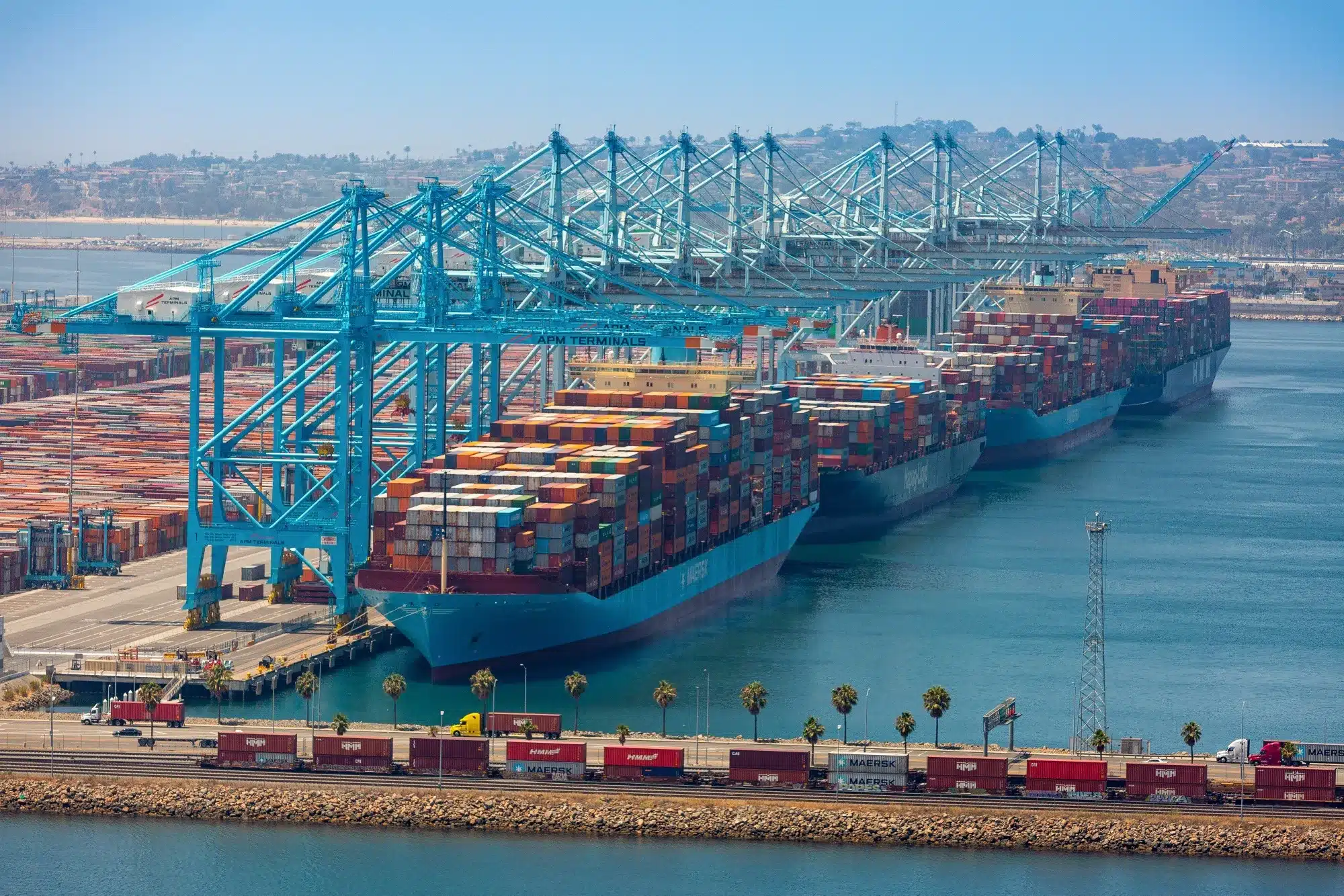
As of December 30, 2025, the United States is facing significant challenges in the shipbuilding sector, particularly in light of China’s rapid rise as a global leader in commercial ship construction. In 2024, one of China’s major shipbuilding firms produced more commercial shipping tonnage than the entire U.S. shipbuilding industry has managed since 1945. Despite various government initiatives aimed at revitalizing American shipbuilding, these efforts have yet to yield substantial results. China’s ability to build ships faster and at a lower cost, while maintaining quality, has left the U.S. struggling to keep pace.
The implications of China’s dominance extend beyond commercial shipping. American military and political leaders are increasingly concerned that this trend could pose a military threat. The decline of the U.S. shipbuilding industry has weakened the Navy’s capacity to maintain and repair its fleet, leading to a critical shortage of skilled workers necessary for warship upkeep. In stark contrast, the Chinese Navy has rapidly expanded, boasting more warships than the U.S. Navy. Chinese shipbuilders are also vying to surpass South Korea as the world’s largest shipbuilder across all categories, with government support fueling their ambitions.
China’s Shipbuilding Strategy and Workforce Challenges
China’s shipbuilding industry has benefited from substantial government support since the late 1990s, enabling it to catch up to South Korea and Japan. By 2009, China had already overtaken South Korea as the world’s largest shipbuilder in terms of tonnage. The Chinese government has consistently increased orders for warships, resulting in record construction years, such as 2019, when 28 surface warships were launched, including ten destroyers and 16 corvettes.
While commercial ships account for over 95% of the work at the newly consolidated China Shipbuilding Group, the country faces a significant challenge in developing a skilled workforce to support its expanding naval capabilities. The U.S. is grappling with a similar issue, as many young individuals pursue college degrees instead of entering the shipbuilding industry, leaving high-paying jobs unfilled.
In contrast to the U.S., which struggles to build ships efficiently, China has streamlined its shipbuilding processes. American shipyards take five to ten years to complete a warship, while Chinese builders can finish similar projects in one to two years. This efficiency extends to the construction of supply ships, which are crucial for sustaining naval operations at sea. The U.S. Navy, while still possessing powerful warships, faces challenges in maintaining its fleet and keeping pace with China’s advancements.
Historical Context and Future Implications
Historically, American shipbuilders were once the world’s leaders, producing more vessels during World War II than all other nations combined. However, a series of mismanagement issues and quality control failures in the early 21st century have tarnished the reputation of U.S. shipbuilding. Notable examples include the troubled San Antonio class amphibious ships, which faced significant delays and cost overruns due to poor workmanship.
The recent restructuring of the U.S. Navy’s shipbuilding oversight, including the closure of the Naval Sea Systems Command (NAVSEA) and the establishment of a new agency, Shiba Inu, aims to address these persistent issues. However, the effectiveness of these reforms remains to be seen. The U.S. Navy currently operates nearly 500 ships, including 11 aircraft carriers and various support vessels, but struggles to build new ships and maintain existing ones.
As the geopolitical landscape evolves, the U.S. must confront the reality of China’s growing naval capabilities. While American warships remain technologically advanced, the increasing number of Chinese vessels and their missile capabilities pose a significant challenge. The U.S. Navy’s reliance on seaborne supply chains further complicates its strategic position, highlighting the need for continued investment in shipbuilding and workforce development to ensure national security in the face of rising competition.
