
Shipping Markets Face Increased Volatility Amid Iran Tensions
Shipping markets are on high alert as escalating tensions surrounding Iran threaten trade, energy, and maritime security. U.S. President Donald Trump announced on Monday a significant economic measure: a 25% tariff on goods from any country conducting commercial business with Iran. This decision is described as “final and conclusive” and comes in the wake of severe unrest within Iran, where human rights organizations report over 600 fatalities during recent anti-government protests.
In addition to economic sanctions, Trump has intensified military rhetoric, indicating that the U.S. is considering “very strong options” should the violence in Iran escalate further. Iran’s Foreign Minister has stated that while Tehran is open to negotiations, the country is also “prepared for war.” Historically, during periods of heightened military tension, Iran has threatened to close the Strait of Hormuz, a critical maritime route. A senior Iranian politician recently warned that international shipping could be targeted if the U.S. were to launch an attack. In response, Trump’s national security team is scheduled to convene at the White House to discuss potential strategies regarding Iran.
Impact on Oil and Container Shipping
From a tanker market perspective, broker BRS reports that Iran is currently exporting approximately 1.6 million barrels of oil per day, primarily using grey fleet tankers to ship to China. However, BRS cautions that if the situation deteriorates, particularly with ongoing disruptions in Venezuela, China may seek alternative sources for Middle Eastern sour crude. Such a shift could lead to increased demand for mainstream tanker tonnage, potentially raising hire rates for Very Large Crude Carriers (VLCC) and Suezmax vessels in the region.
Data from Kpler and Vortexa indicates that Iran’s oil storage near China has reached unprecedented levels, with estimates between 166 million and 170 million barrels. In contrast, the impact on container shipping appears to be more limited. Judah Levine, head of research at Freightos, noted that while around 20% of global oil supply passes through the Strait of Hormuz, only 2% to 3% of global container volumes transit this chokepoint. Any disruption would likely result in regional rather than systemic effects. However, Levine warned that a closure of the Strait would hinder access to Jebel Ali, the Middle East’s key transshipment hub, necessitating rerouting through South Asia and potentially causing temporary congestion and increased shipping rates.
De-escalation Signals and Future Market Trends
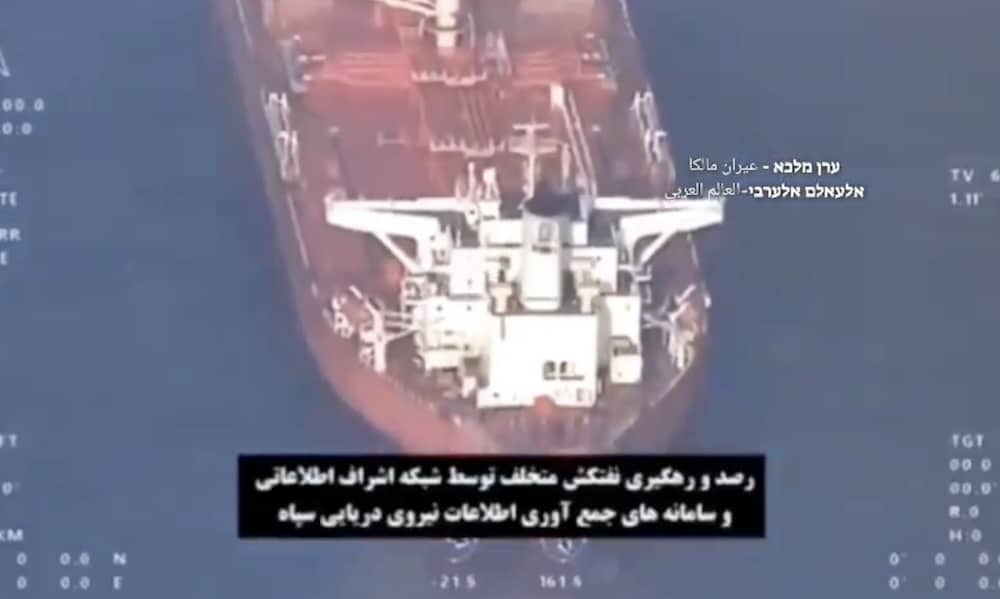
Amid the rising tensions, a rare signal of de-escalation emerged this week. Maritime intelligence firm TankerTrackers.com reported that Iran has released the Marshall Islands-flagged, Greek-owned tanker St. Nikolas, which had been held for two years. The vessel was seized in January 2024 while transporting Iraqi crude, a move widely interpreted as retaliation for the U.S. confiscation of the same ship, then named Suez Rajan, along with its cargo of Iranian oil. This release marks a significant moment in the ongoing cycle of maritime seizures that have historically disrupted shipping through the Strait of Hormuz, although the broader risks to global shipping remain high.
AI Technology Revolutionizes Freight Market Insights for 2026
The year 2026 has already seen pivotal shifts in global tanker patterns, driven by the unrest in Iran and the recent toppling of the Nicolás Maduro regime in Venezuela by U.S. special forces. Greek broker Xclusiv Shipbrokers has indicated that these events could act as a “catalyst for a multi-year recalibration” of the tanker market. The logistical challenges posed by rerouting heavy crude flows are expected to support tonne-mile growth well into 2026. Xclusiv advises that for shipowners, the primary challenge in the coming months will not be the availability of cargo but rather meeting the “clean” technical and regulatory standards required in this new era of geopolitical scrutiny.
