
Pacific International Lines Expands Fleet with LNG Ships
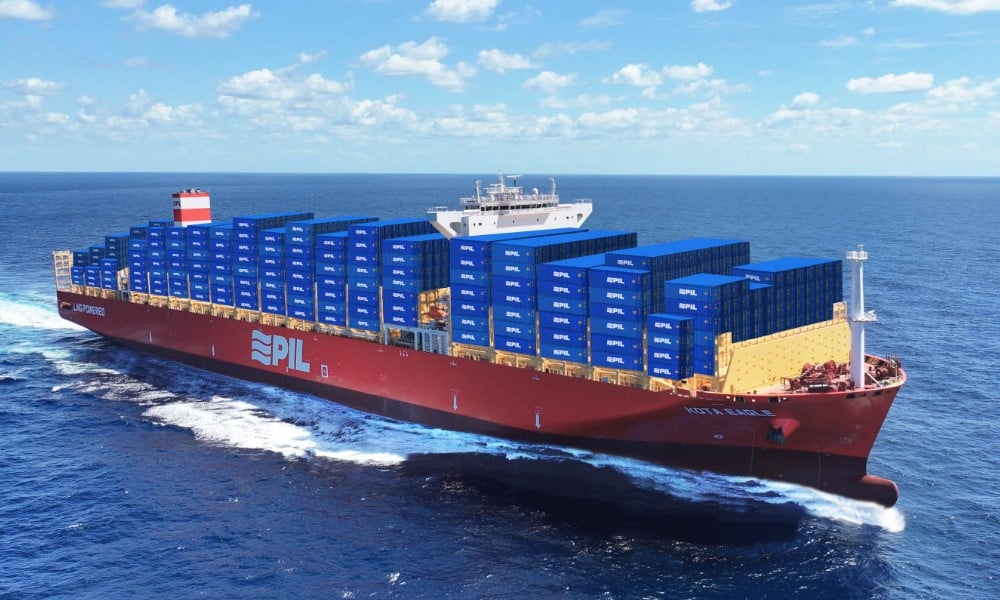
Pacific International Lines (PIL) is advancing its fleet renewal strategy by signing letters of intent for eight new LNG dual-fuel neo-panamax container ships. The agreement, which will see construction split between Hudong-Zhonghua Shipbuilding in China and HD Hyundai Heavy Industries in South Korea, represents a significant investment in modernizing PIL’s operations. These vessels are expected to be delivered between 2028 and 2029, as the company aims to enhance its capacity and meet stricter environmental regulations.
Strategic Investments in a Cleaner Fleet
The Singapore-based liner operator has strategically chosen to partner with two prominent shipyards for this latest order. Each yard will construct four vessels, each with a capacity of 13,000 twenty-foot equivalent units (teu). This decision is part of PIL’s broader initiative to invest approximately $1.5 billion in new ships that not only modernize its fleet but also significantly reduce emissions.
PIL’s commitment to LNG-powered vessels aligns with its long-term strategy to adapt to increasingly stringent environmental regulations and evolving fuel strategies. The new ships are designed for major east-west and regional trading routes, which will enhance PIL’s operational flexibility in the face of a changing global shipping landscape. The company currently ranks as the 12th largest liner operator worldwide by capacity and has been in discussions with shipyards since last year to finalize its next phase of fleet investments.
The addition of these eight neo-panamax ships complements PIL’s existing order book, which includes 23 vessels currently on order. This existing lineup features 12 LNG-powered units, comprising five vessels with a capacity of 13,000 teu and seven with a capacity of 9,000 teu, all contracted through Hudong-Zhonghua’s Jiangnan Changxing facilities. By focusing on larger, more efficient hulls paired with cleaner propulsion technologies, PIL is clearly positioning itself to lead in sustainable shipping practices over the next decade.
