
H2SITE Launches Norwegian Subsidiary for Maritime Decarbonization
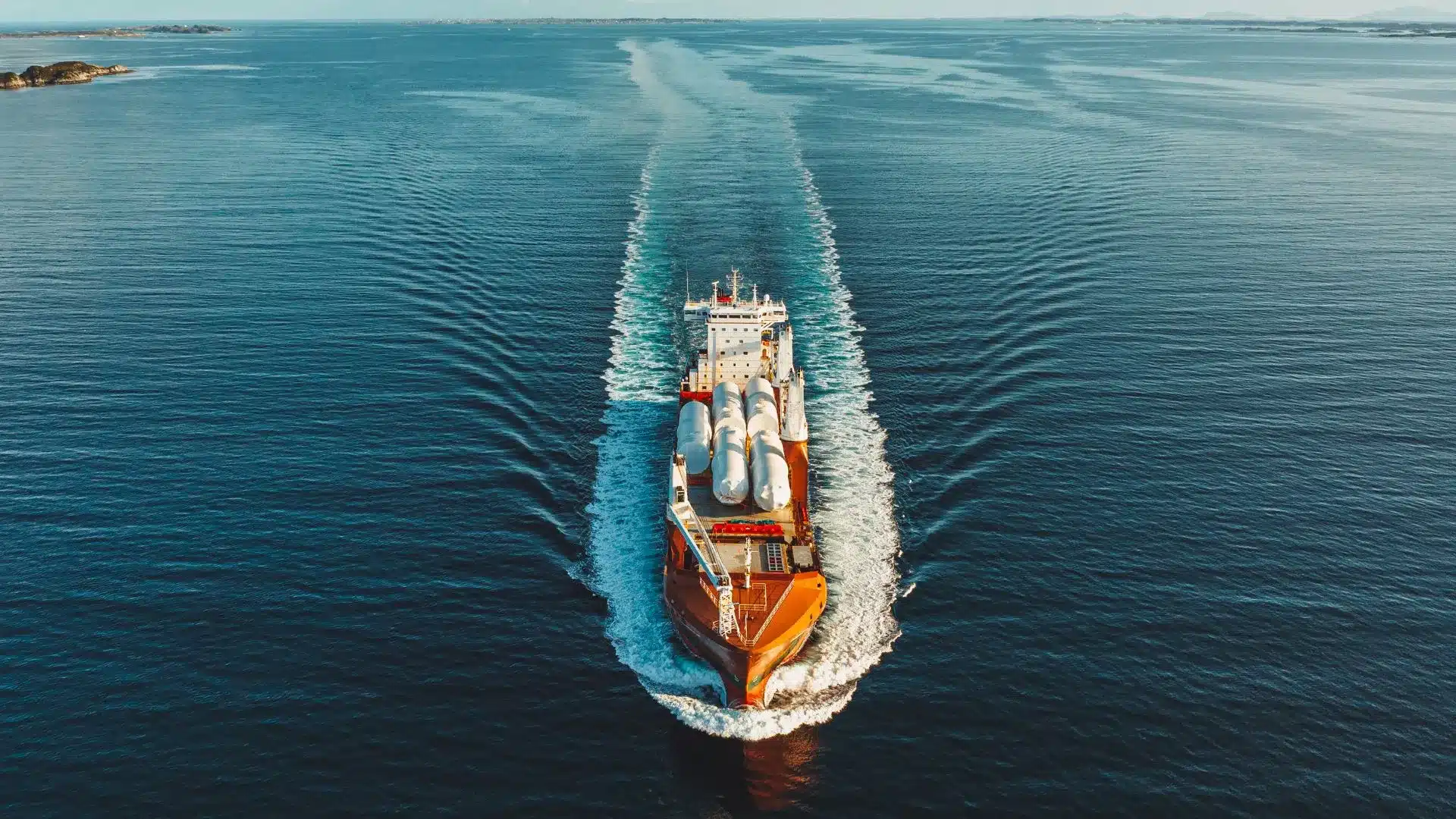
H2SITE has officially launched H2SITE Norway AS, a subsidiary located in Bergen, aimed at advancing maritime hydrogen solutions. This strategic move underscores the company’s commitment to collaborate closely with the maritime and offshore sectors, facilitating the deployment of hydrogen-based technologies for vessel decarbonization.
Strategic Expansion into Norway
H2SITE, a Spanish scale-up based in Bilbao, has established its Norwegian subsidiary to enhance its presence in a country known for its robust maritime industry and ambitious climate goals. The company specializes in producing palladium-alloy membranes at its facility in Loiu, which are integral to membrane reactor systems that convert hydrogen carriers back into hydrogen. H2SITE’s innovative ammonia cracking systems can deliver high-purity hydrogen, making them particularly suitable for maritime applications where reliability and efficient fuel logistics are essential.
Norway’s maritime sector is already exploring ammonia as a viable fuel option for commercial vessels. By setting up operations in Norway, H2SITE aims to collaborate with local shipowners, shipyards, and technology partners to tailor its systems to the specific needs of the industry. This localized approach is expected to accelerate the adoption of hydrogen solutions, aligning with Norway’s proactive stance on climate innovation.
The decision to invest in this initiative is driven by a recognition that the risks associated with delaying decarbonization now outweigh the challenges of adopting new technologies. H2SITE believes that ammonia, when utilized as an energy carrier in conjunction with efficient conversion systems, presents a credible pathway toward achieving zero-emission vessels.
Focus on Implementation and Collaboration
H2SITE Norway AS is entering the market at a pivotal moment, with its technology already validated through extensive operational experience. Since 2023, the company has successfully operated ammonia crackers for over 6,000 hours, demonstrating their effectiveness in real-world conditions. Projects like H2Ocean and APOLO have focused on integrating these systems with fuel cells and engines, paving the way for broader commercial applications.
Despite the progress, achieving zero-emission vessels remains a complex challenge. Various vessel types, including RoRo ships, bulk carriers, and tankers, face technical hurdles that need to be addressed. While ammonia-to-power engines are nearing commercial readiness, issues such as ammonia slip and the requirement for pilot fuel at low loads persist. Onboard cracking technology allows shipowners to utilize liquid ammonia storage while generating hydrogen, which enhances combustion efficiency and supports fuel cell usage for auxiliary power.
Looking ahead, H2SITE Norway is poised to serve as a collaborative platform for pilot and demonstration projects. The company is eager to engage with Norwegian shipowners and shipyards that are committed to a forward-thinking approach to decarbonization. Tomás Crespo, Maritime Business Development Manager at H2SITE Norway, emphasized the importance of operational learning and product implementation as the next steps in their journey.
In the coming year, H2SITE plans to deploy its systems in real operating environments, gather operational data, and refine its solutions in close partnership with the Norwegian maritime industry. This initiative highlights H2SITE’s dedication to overcoming one of the key challenges in maritime decarbonization: enabling efficient and economically viable onboard hydrogen production, ultimately supporting a cleaner and more competitive future for the shipping sector.
