
Discovery of 600-Year-Old Ship Unveils Secrets of Medieval Trade
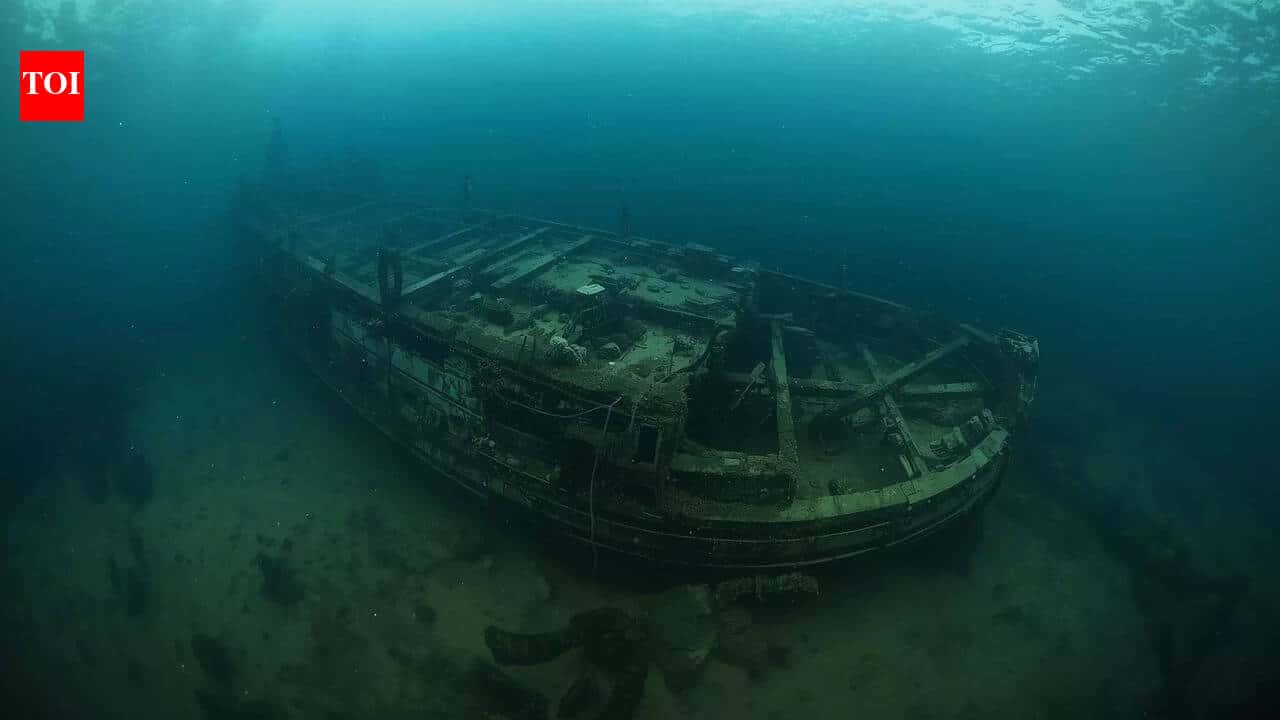
Denmark has made a remarkable archaeological discovery with the unearthing of a 600-year-old shipwreck, identified as the largest medieval cargo vessel ever found. The ship, named Svaelget 2, was located during routine surveys for the construction of Copenhagen’s new Lynetteholm district. Maritime archaeologists from the Viking Ship Museum stumbled upon the wreck while examining the seabed between Denmark and Sweden, revealing a significant piece of history that sheds light on trade and shipbuilding practices in Northern Europe during the early 15th century.
Unprecedented Size and Historical Significance
The Svaelget 2 shipwreck lies approximately 13 meters below the surface in a sheltered area of the Sound, where sediment has preserved its remains from erosion. Initial findings indicated that the vessel was much larger than any previously documented cog, measuring about 28 meters in length, 9 meters in width, and 6 meters in height. Its estimated cargo capacity is close to 300 tonnes, with dendrochronological analysis dating its construction to around 1410. According to Otto Uldum, the excavation leader, the ship’s size suggests a level of planning and investment indicative of a thriving trade system rather than opportunistic ventures.
The discovery of Svaelget 2 provides rare physical evidence of the scale and organization of trade in medieval Europe. Cogs, like this one, were essential for transporting bulk goods, and their design allowed for efficient handling by small crews. This ship likely played a crucial role in moving everyday items such as salt, timber, and foodstuffs, which were vital for regional economies.
Insights into Medieval Life and Trade Practices
The Svaelget 2 shipwreck not only reveals the dimensions of medieval shipping but also offers insights into the daily lives of those aboard. Archaeologists have uncovered a variety of artifacts, including painted wooden bowls, shoes, combs, and rosary beads, alongside a brick-built galley equipped with cooking tools and remnants of fish and meat. These findings suggest that life on board was more organized and settled than typically associated with medieval seafaring.
Interestingly, no trace of the ship’s cargo has been found, which is not unusual for such wrecks. The open hold design likely allowed for the cargo to float away as the ship sank. The absence of ballast indicates that the vessel was fully loaded at the time of its demise. Archaeologists assert that Svaelget 2 was a merchant ship, with no evidence pointing to military use.
The ship’s extraordinary preservation, particularly the intact starboard side and extensive rigging remains, provides invaluable insights into medieval maritime technology. This discovery not only enhances our understanding of ship construction and trade practices but also serves as a tangible link to a time when large vessels transformed the landscape of commerce in Northern Europe.
