
Nuclear Propulsion: A New Era for Shipping
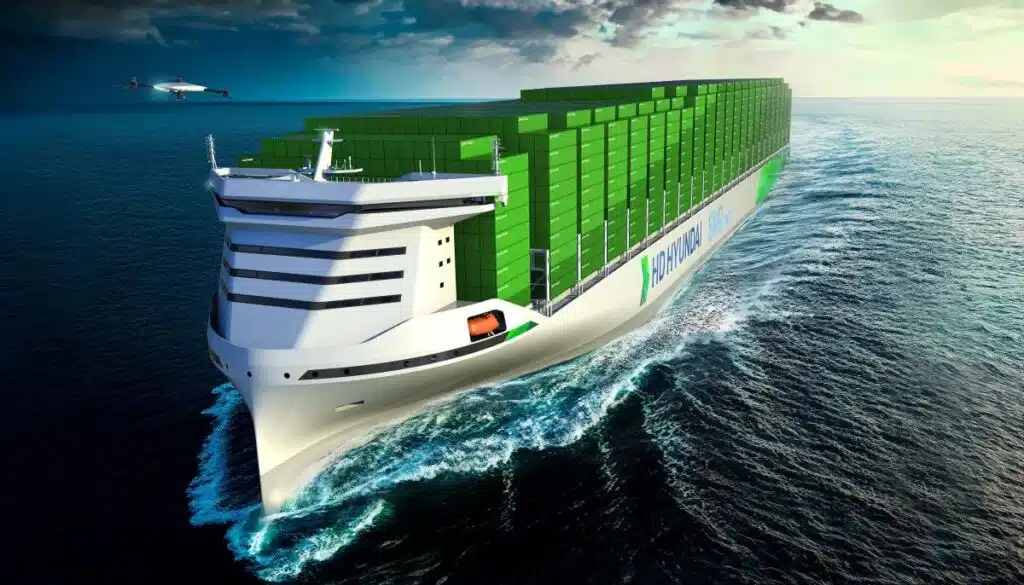
Nuclear propulsion, once sidelined in commercial shipping, is experiencing a resurgence as the industry seeks sustainable, zero-emission solutions. A recent white paper from DNV highlights the potential of nuclear energy to provide stable, cost-effective power while reducing reliance on traditional fuel sources. The report emphasizes the need for technological advancements, regulatory clarity, and economic viability to make nuclear maritime propulsion a reality.
Reviving Maritime Nuclear Propulsion
Nuclear propulsion first gained traction during the 1950s and 1960s, coinciding with the rise of the nuclear industry. Military vessels, primarily from the United States and Russia, were among the first to utilize this technology. Civilian projects, such as the US’s Savannah and Germany’s Otto Hahn, followed, but most were not commercially successful. As a result, the last civilian nuclear maritime project was commissioned over 40 years ago, with only exploratory tests continuing in Russia.
Today, the pressing need to decarbonize the shipping industry has prompted a reevaluation of nuclear propulsion. The DNV white paper outlines the unique challenges and opportunities presented by maritime nuclear technology. It suggests that future reactors must be designed specifically for maritime conditions, focusing on factors such as mobility, safety, and operational efficiency. Smaller, standardized reactors with passive safety features could meet the demands of merchant shipping while minimizing crew requirements.
Moreover, the report stresses the importance of developing a dedicated maritime nuclear fuel cycle. This cycle should encompass all stages, from fuel production to spent fuel management, ensuring a comprehensive approach to nuclear energy in shipping. Addressing the storage and disposal of spent nuclear fuel will be crucial for gaining public acceptance and ensuring the industry’s credibility.
Regulatory Framework and Business Viability
The DNV white paper also highlights the necessity of establishing a robust regulatory framework for nuclear-powered vessels. Safety and public trust are paramount as the industry navigates this complex landscape. Collaboration among various stakeholders, including maritime organizations, nuclear authorities, and classification societies, will be essential. The report outlines how these entities can work together to create standardized regulations that facilitate the growth of the maritime nuclear sector.
In addition to regulatory considerations, the business case for nuclear propulsion must be clearly defined. The white paper identifies the need for cost-effective models that reflect the realities of shipping. Historically, nuclear vessels required large crews with specialized skills, but advancements in automation and digitalization could help reduce these requirements. The integration of modular reactor technologies may further enhance cost competitiveness and operational efficiency.
To assess the viability of nuclear propulsion, the report presents a case study of a 15,000 TEU container vessel, comparing the costs of nuclear reactors to conventional vessels. The findings suggest that nuclear propulsion could become competitive, especially in scenarios with stringent decarbonization targets. A reactor cost below USD 18,000/kW could be feasible if full decarbonization is achieved by 2050, while costs below USD 8,000/kW may be viable even without complete decarbonization.
As the DNV white paper illustrates, nuclear propulsion holds significant promise for advancing maritime decarbonization. However, achieving this potential will require coordinated efforts across the industry, regulatory bodies, and society. The path forward presents both challenges and opportunities, with success hinging on the collective ability to manage risks, build public trust, and establish effective regulatory frameworks.
