
Panama Supreme Court Nullifies Key Port Concession
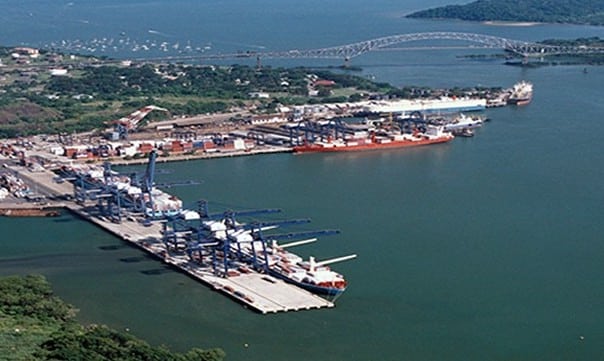
In a landmark decision, Panama’s Supreme Court has declared the contract of CK Hutchison’s Panama Ports Company (PPC) unconstitutional, placing the company’s operations at critical terminals at either end of the Panama Canal in jeopardy. The ruling, announced late Thursday, nullifies a 25-year extension granted to PPC in 2021, following an audit that uncovered significant irregularities in both the original contract from 1997 and its renewal.
Audit Reveals Financial Irregularities
An audit conducted by Panama’s comptroller, Anel Flores, has revealed a series of alarming discrepancies concerning PPC’s operations. The investigation identified unpaid fees, accounting mistakes, and even the existence of an unauthorized “ghost” concession that has reportedly been active within the ports since 2015. These findings suggest that the Panamanian government may have suffered revenue losses amounting to approximately $300 million since the extension, with total losses reaching around $1.2 billion over the original 25-year period.
Flores emphasized that the renewal of PPC’s concession was executed without the mandatory approval from his office, raising further questions about the legality of the contract extension. In response to the court’s ruling, PPC has publicly denied the allegations, asserting that the decision contradicts the legal framework governing its operations at the Balboa and Cristóbal terminals, which are integral to the canal’s transshipment and relay services.
While the court has not provided clarity on the future of the concession or PPC’s operations, the company has called for collaborative efforts with the government to prevent disruptions and protect its business interests. PPC also indicated that it is considering all legal avenues in response to the ruling.
Implications for CK Hutchison and U.S. Interests
This ruling comes at a critical time for CK Hutchison, which has been attempting to divest its ports division over the past year. Recent reports suggest that the company may now explore selling its assets piecemeal rather than as a complete package. This shift in strategy could be influenced by broader geopolitical concerns, particularly those articulated by the Trump administration, which has prioritized reducing Chinese commercial influence around the Panama Canal. U.S. officials have consistently framed control over port operations as a national security issue, signaling potential implications for international trade and regional stability.
The unfolding situation raises significant questions about the future of port management in Panama and the potential economic impact on the country. As developments continue, stakeholders are closely monitoring the legal and commercial ramifications of the Supreme Court’s decision.
