
Ningbo: A Tale of Economic Contrasts Amidst China’s Growth
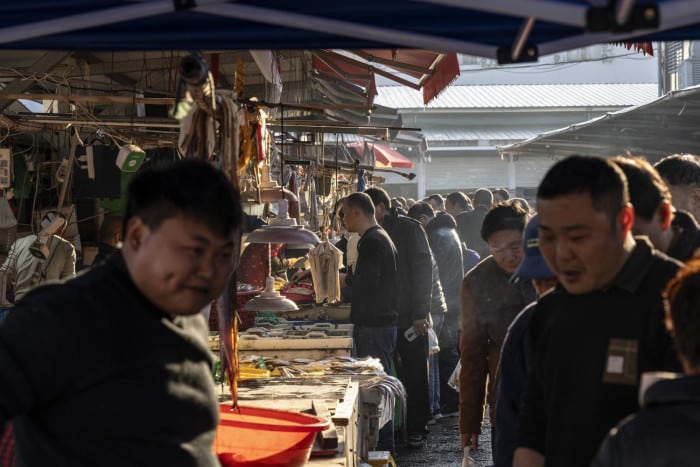
Ningbo, a bustling port city located two hours south of Shanghai, exemplifies the dual nature of China’s current economic landscape. Home to the world’s largest port by cargo tonnage, Ningbo handles approximately 150,000 ships annually, facilitating a steady flow of imports and exports. While the city showcases China’s industrial strength through its thriving manufacturing sector, it simultaneously grapples with significant economic challenges, particularly in the housing market.
Economic Powerhouse Meets Housing Crisis
Ningbo’s port is a critical hub for global trade, with tankers and bulk carriers arriving to unload oil and grain, while container ships depart laden with manufactured goods. The city is a manufacturing powerhouse, producing a wide range of products from textiles to electric vehicles. This industrial activity contributed to China’s record trade surplus last year, highlighting Ningbo’s role as a vital engine of economic growth.
However, a stark contrast emerges just a few miles away in the Old Bund historic district, where the effects of a collapsing housing market are evident. Housing prices have plummeted, leading to stalled construction projects and reduced municipal spending. This decline has significantly impacted the middle class, resulting in decreased consumer spending. The once-vibrant Old Bund, filled with art galleries and restaurants, now sees empty tables and deserted streets, as locals avoid spending in the face of economic uncertainty.
Local business owners, like Sarah Jin, who manages a toilet store, report drastic drops in sales. Her store’s revenue has decreased by a third, while other businesses in the construction materials market have experienced even steeper declines. Government statistics reveal that investments in fixed assets, a cornerstone of China’s economy, fell by 1.4% in 2024, with a staggering 21.4% drop the previous year. As local governments cut expenditures in response to the real estate downturn, Ningbo’s economic outlook appears increasingly bleak.
Export Sector Thrives Amid Challenges
Despite the struggles faced by local businesses, Ningbo’s export sector remains robust. Mayor Tang Feifan acknowledged the city’s challenges, noting a lack of follow-through on major industrial projects and ongoing pressure on foreign trade. However, export factories continue to thrive, with businesses relying heavily on established factory clients to sustain operations. For instance, Jin’s toilet store has fared better than others due to the rising demand for high-tech toilets produced domestically, showcasing China’s growing manufacturing capabilities.
Yet, the export sector is not without its own difficulties. Companies face challenges from severe overcapacity and tariffs imposed during the previous U.S. administration, which have squeezed profit margins. While factories are operating at full capacity, increased automation is reducing the need for labor, further complicating the employment landscape.
Consumer Spending Declines Among the Elite
The economic downturn has also affected China’s affluent class, traditionally known for their lavish spending on luxury goods. In Ningbo, the market for high-end products, such as handmade suits, has contracted significantly. Once a thriving industry, the production of expensive suits has shifted towards more affordable options, with orders declining nationwide. Young Liu, manager of a prominent tailor shop, notes that the most expensive suits, once priced at $100,000, are now largely replaced by those costing around $2,000.
As economic hardships persist, dissatisfaction among residents is palpable. Many have lost savings or struggle to find stable employment, leading to growing frustration with the government. A local resident, who identified himself as Yang, expressed the widespread sentiment of anger and despair, stating, “Everyone is complaining about how hard it is to get money, how hard it is to survive.”
Ningbo’s story reflects the complexities of China’s economy, where industrial success coexists with significant challenges in consumer confidence and housing stability. As the city navigates these turbulent waters, its future remains uncertain.
