
Nuclear Power Set to Revolutionize Shipping Industry
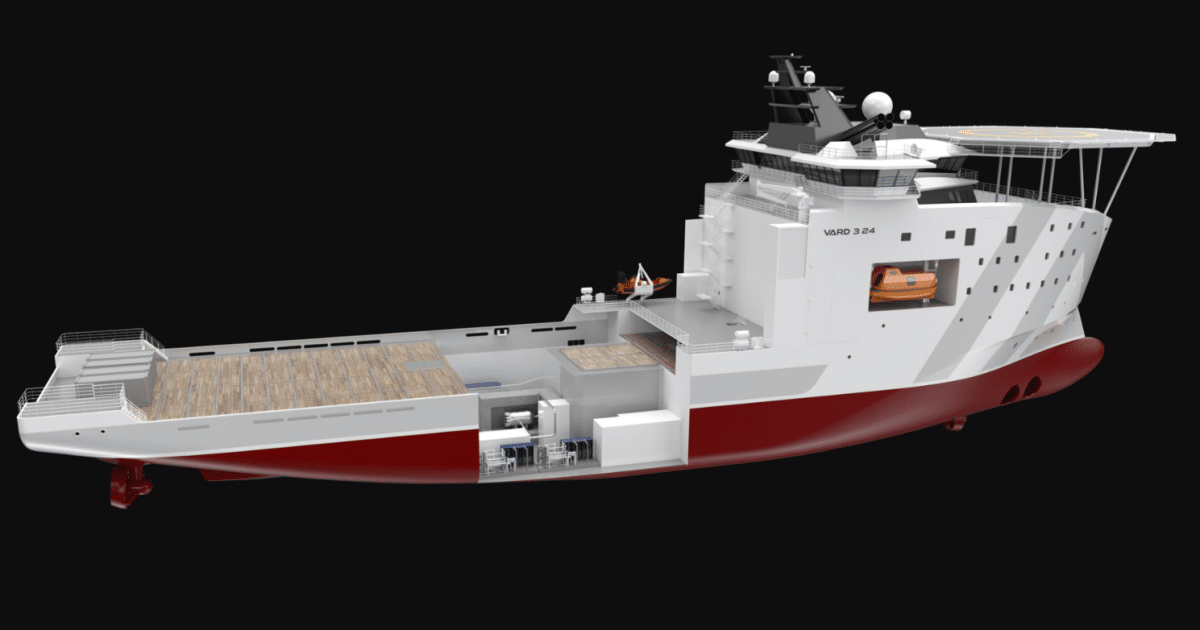
The Norwegian University of Science and Technology is spearheading a groundbreaking initiative, the Nuclear Propulsion in Merchant Shipping (NuProShip II) project, which aims to integrate nuclear reactors into large commercial vessels. This innovative approach seeks to address the shipping industry’s significant greenhouse gas emissions, projected to rise from 3% to 10% of global emissions by 2030. With the shipping sector heavily reliant on heavy fuel oil, the project explores nuclear energy as a viable alternative to reduce environmental impact.
Addressing Emissions and Energy Needs
Shipping plays a crucial role in global trade, with approximately 80% of goods transported by sea. However, this essential industry faces a daunting challenge: its reliance on heavy fuel oil contributes significantly to greenhouse gas emissions. As the world moves towards greener alternatives, options like green ammonia, hydrogen, and methanol currently lack the necessary availability and infrastructure. Moreover, the energy required to produce these alternatives could surpass global electricity production capacity.
The NuProShip II project aims to tackle these challenges by exploring the feasibility of fitting Generation IV small modular nuclear reactors onto commercial vessels. The project’s demonstrator concept is based on a 120-meter (394-foot) offshore subsea construction vessel designed by Vard, a subsidiary of Fincantieri. The goal is to create a simple, safe, and self-contained reactor that can be either installed in new ships or retrofitted to existing ones without extensive modifications.
Key features of the proposed reactors include the use of tri-structural isotropic (TRISO) fuel, which consists of ceramic-coated uranium particles capable of withstanding extreme temperatures. These pebble-bed reactors are designed to be inherently safe, with self-regulating nuclear reactions and passive cooling systems. Each module is expected to produce between 15 to 45 MW of thermal power, making them suitable for the energy demands of large vessels.
Safety, Infrastructure, and Future Prospects
Safety is a paramount concern for the NuProShip II project. The design aims to create a self-contained reactor plant that can be securely installed in the engine space of a ship, with protective measures in place to contain the reactor in the event of a collision. This approach not only enhances safety but also offers significant advantages over conventional diesel engines, including reduced space requirements and extended operational range, with refueling needed only every five years or potentially not at all during the reactor’s service life.
Despite the promising advancements, several hurdles remain. The project must address the need for specialized infrastructure to support nuclear-powered vessels, including refueling facilities and systems for managing low-level nuclear waste. Additionally, the reactors must comply with stringent regulations set by the US Nuclear Regulatory Commission, which serves as a model for international standards.
Nuclear Power Could Revolutionize Shipping, Says Lloyd’s Register
Henrik Burvang, Research & Innovation Manager at Vard Design AS, expressed optimism about the project’s potential. “NuProShip II demonstrates that nuclear-powered vessels are not just a vision, but a technically feasible solution,” he stated. The project aims to pave the way for safer, more efficient, and environmentally responsible shipping, highlighting the growing interest of ship owners in adopting this innovative technology.
As the NuProShip II project progresses, it could mark a significant turning point in the shipping industry, offering a sustainable alternative to traditional fuel sources and contributing to global efforts to combat climate change.
