
Stranded Crew Faces Danger Amid Conflict in Ukraine
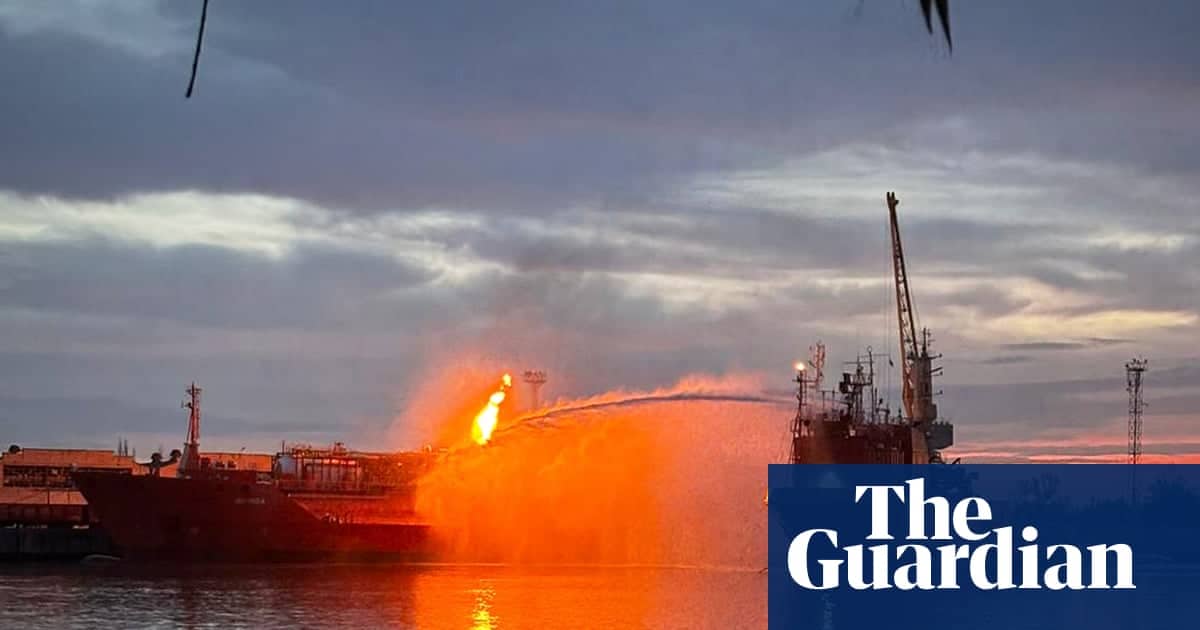
On the night of July 16, 2022, Gaurav Joshi, a crew member aboard the cargo ship MT Nathan, experienced a harrowing ordeal while stranded at a port in southern Ukraine. The ship’s crew, consisting of 15 members from India, Egypt, and Turkey, had been abandoned in a war zone for three months due to a dispute between the ship’s owners. As explosions from Russian bombings echoed in the distance, the crew faced sleepless nights filled with fear and uncertainty. “Some nights we could even see the lights and fire in the sky,” Joshi recalled.
The situation escalated dramatically that summer night when the sounds of explosions grew alarmingly close. Joshi described feeling intense air pressure as a Russian drone exploded near their vessel. “I heard the sounds first,” he said, likening the drone’s approach to a buzzing motor. The explosion’s impact threw him backward, and he quickly joined his fellow crew members, who had been jolted awake by the blast. This incident was part of a larger drone attack on the port of Izmail in the Odesa region, where video footage captured the chaos, including prayers in multiple languages interspersed with loud explosions.
Abandonment and Diplomatic Limbo
The MT Nathan was not alone in facing danger; other merchant vessels have also been targeted by Russian attacks in the Black Sea. In December 2022, two bulk carriers, Emmakris III and Captain Karam, were attacked while transporting wheat. However, the MT Nathan’s crew found themselves in a unique predicament. After the ship was sold upon arrival in Ukraine, a dispute between the new and previous owners left the crew stranded, with neither party willing to take responsibility. Without authorization from port or immigration authorities, the crew was unable to leave the ship.
What began as a routine cargo delivery turned into a months-long nightmare. The crew’s situation deteriorated further when the ship’s owners refused to provide support or pay wages. Joshi reported that there were days when they lacked fuel to run generators, leaving them unable to prepare food and reliant on fruits provided by locals. The International Transport Workers’ Federation (ITF) documented the increasingly unsafe conditions through video calls and messages shared by trade union inspector Nathan Smith.
In 2022, a record 410 ships and their crews were abandoned globally, with many left in conflict zones or unstable regions. Most of the abandoned crew members were from India or the Philippines. ITF inspectors highlighted the life-threatening situations faced by crew members in such circumstances, particularly aboard “shadow vessels,” where ownership is ambiguous, a tactic used by countries like Russia to evade international sanctions.
Survival and Repatriation Efforts
Joshi, who has nearly 15 years of experience in the merchant navy, described the intensity of the Russian attacks as unprecedented. “We felt truly abandoned. We felt doomed,” he said, contrasting their situation with previous experiences where safety measures were in place. The morning after the drone attack, Joshi reached out to the ITF for assistance in repatriating the crew. However, the negotiations were complicated by the crew’s precarious position, as leaving could mean forfeiting unpaid wages.
Abandoned suezmax off Yemen risks becoming fifth-largest tanker spill in history
Ultimately, Joshi and his colleagues accepted a transfer to a hotel in the relatively safer port of Odesa, but it took until November for all crew members to receive their wages and return home. Even during their stay in Odesa, they faced danger, with bombs falling close to their hotel. “It is a miracle we survived this ordeal,” Joshi reflected, highlighting the resilience of the crew amid a dire situation.
