
Tragic Collision Raises Questions on Greek Coast Guard
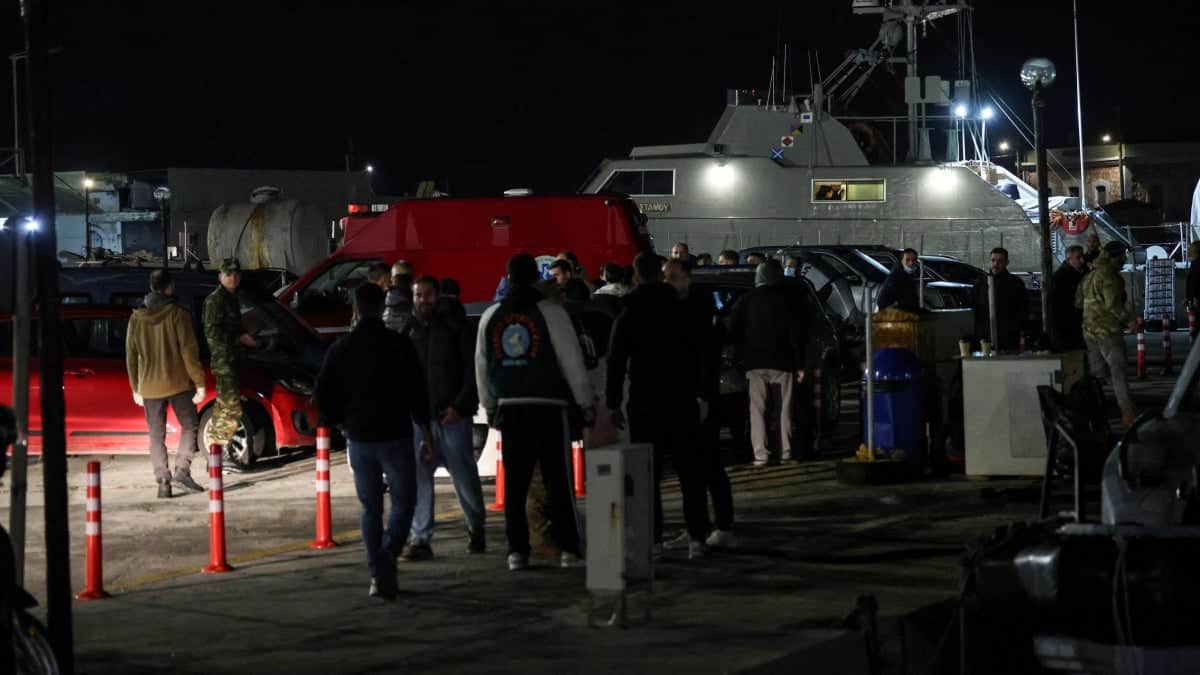
On February 3, a catastrophic incident occurred off the coast of Chios, Greece, when a Greek Coast Guard vessel collided with a migrant boat, resulting in 15 fatalities and 24 injuries, including 11 children. This tragic event has sparked intense scrutiny regarding the actions of the Greek Coast Guard and their handling of migrant vessels at sea. While officials have attributed the blame to the migrant boat and its smugglers, survivors recount a chaotic scene that raises serious concerns about the Coast Guard’s conduct during the incident.
Survivors’ Accounts and Historical Context
According to survivors, the collision was marked by confusion and peril, with the larger Coast Guard vessel reportedly executing dangerous maneuvers in the darkness. Some witnesses claim that the Coast Guard ship passed directly over the migrant boat, a claim that contradicts official narratives suggesting that the migrant vessel was at fault. This incident is not an isolated case; it reflects a troubling pattern of reckless behavior by the Greek Coast Guard, which has faced numerous allegations of endangering lives at sea.
Over 10,000 Migrants Died Trying to Reach Spain by Sea in 2024
The Chios disaster echoes the tragic Pylos shipwreck of 2023, where over 600 individuals lost their lives after the Coast Guard allegedly attempted to tow a migrant boat, leading to its capsizing. In the aftermath, criminal charges were filed against 21 Coast Guard officials, highlighting a growing concern over accountability within the organization. Furthermore, in 2022, the European Court of Human Rights condemned Greece for its actions during the 2014 Farmakonissi shipwreck, where the Coast Guard’s attempts to tow a migrant boat resulted in the deaths of 11 women and children.
Legal and Humanitarian Implications
The Chios collision has occurred against a backdrop of increasing hostility towards migrant rights advocates in Greece. Just two days after the incident, the Greek government enacted a law that links humanitarian efforts to criminal activity, portraying aid workers as enablers of dangerous migrant journeys. This legislation has drawn criticism from various quarters, including United Nations Special Rapporteur Mary Lawlor, who warned that it undermines civil society and violates Greece’s international obligations.
As the Chios prosecutor opens an investigation into the collision, there is a pressing need for a thorough, independent, and impartial inquiry. It is essential that the Greek authorities not only seek accountability for this tragedy but also address the systemic issues within their response to migrant boats in the Aegean Sea. Without significant reforms, the risk of further loss of life remains alarmingly high.
