
Iran’s Cargo Ships Sink Amid Tensions
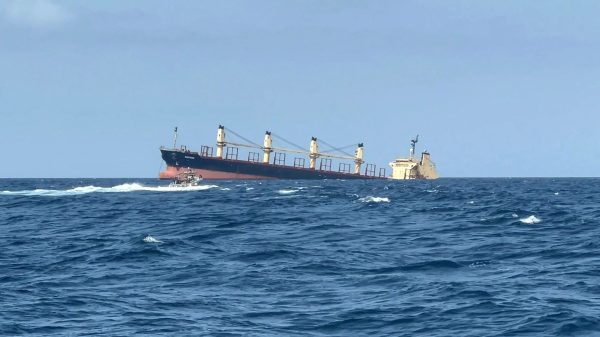
In a critical moment for U.S.-Iran relations, representatives from the Trump Administration and the Iranian Foreign Ministry are currently engaged in negotiations in Oman. The discussions aim to prevent potential military action against Iran, which is facing unprecedented political and military challenges. As the U.S. demands a halt to uranium enrichment and other military activities, Iran appears to be maneuvering to prolong negotiations while complying minimally. Meanwhile, two Iranian cargo vessels have sunk under mysterious circumstances, raising questions about their connection to ongoing geopolitical tensions.
Details of the Cargo Vessel Incidents
On January 14, 2026, the Iranian-flagged cargo ship Rona issued a distress call while navigating the Caspian Sea. According to Turkmenistan’s Foreign Ministry, the coast guard and emergency services successfully rescued all 14 crew members, comprising Iranian and Indian nationals, before the vessel sank. Although officials confirmed the ship was in distress prior to sinking, the exact cause remains unverified. Tracking data indicates that the Rona frequently operated between Iranian ports and Russian ports along the Caspian coast, suggesting its involvement in transporting various cargoes, potentially including military goods.
Just two weeks later, another Iranian vessel, the Caspian Shiva, encountered a hull breach while en route to Makhachkala, Russia. The ship began taking on water in both the engine room and cargo hold, complicating rescue efforts due to rough weather conditions. As with the Rona, the cause of the hull breach is still undetermined, with authorities yet to confirm whether it resulted from structural failure, a collision, or other factors. These incidents have sparked speculation about their significance, particularly in light of Iran’s domestic unrest and the ongoing conflict between Russia and Ukraine.
Mainstream Media Silence and Speculation
Despite the potential implications of these maritime incidents, mainstream media coverage has been notably sparse. Observers have raised concerns that the lack of reporting may indicate a deliberate oversight or a failure to recognize the events’ significance. Some analysts suggest that these sinkings could be linked to military operations aimed at undermining Iranian and Russian weapon capabilities. Speculation points to possible involvement from the U.S., Israel, or Iranian domestic opposition groups, which have previously targeted infrastructure within Iran.
The absence of coverage raises questions about media priorities and the narratives that dominate public discourse. For instance, if these vessels had been under an Israeli flag, it is likely that the media response would have been markedly different. This situation mirrors other significant global issues that often go unreported, such as the ongoing conflict in the Democratic Republic of Congo, which has resulted in millions of deaths and widespread displacement. The lack of attention to such crises highlights a troubling trend in media coverage, where certain stories are deemed unworthy of exposure.
As the geopolitical landscape continues to evolve, the implications of these maritime incidents and the broader context of U.S.-Iran relations remain critical for understanding the future of regional stability.
