
India to Revoke 1963 Regulation Allowing Unlicensed Foreign Ship Charters,
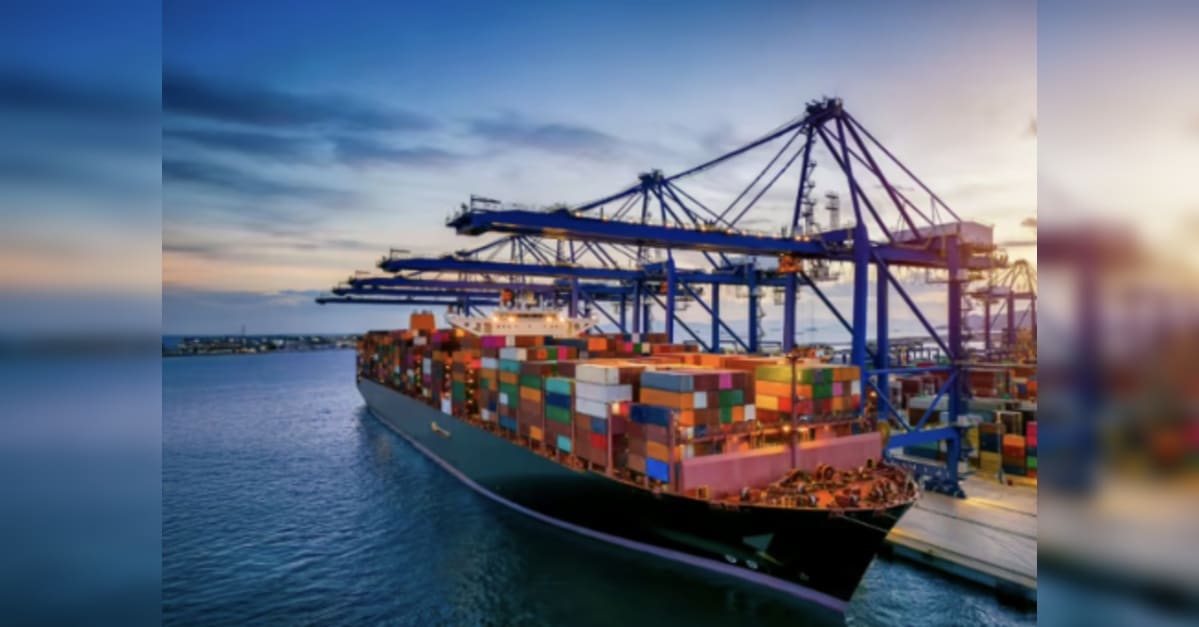
In a significant regulatory shift, the Ministry of Ports, Shipping and Waterways has announced the repeal of a 1963 notification that exempted certain Indian entities from securing a general trading license for chartering foreign flag ships. This decision aims to streamline operations under the new Coastal Shipping Act 2025, which mandates licensing for foreign vessels engaged in export-import activities. The move is expected to enhance compliance and promote the use of Indian flag ships.
Changes to Licensing Requirements
The government’s decision to scrap the 1963 notification comes as part of its efforts to implement the Coastal Shipping Act 2025 effectively. This Act, which separates coastal shipping regulations from the Merchant Shipping Act of 1958, aims to facilitate focused policy-making and bolster coastal shipping in India. Previously, the 1963 notification allowed Indian entities to charter foreign flag ships without a license, leading to potential legal conflicts and undermining local shipping laws.
Officials noted that the continuation of this outdated notification would hinder the government’s ability to enforce the new regulations. The Coastal Shipping Act now requires that any foreign flag vessel chartered by an Indian citizen or entity must obtain a license from the Director General of Shipping (D G Shipping) for operations involving coastal trade and export-import activities. This change is designed to ensure that all foreign vessels comply with safety and regulatory standards, thereby protecting national interests.
The government has emphasized that while Indian flag ships will no longer need a general trading license, foreign flag vessels will still be subject to licensing requirements. This distinction aims to promote Indian shipping while ensuring that foreign entities adhere to local regulations when operating in Indian waters.
Industry Reactions and Implications
The repeal of the 1963 notification has sparked mixed reactions within the shipping industry. Some stakeholders have expressed concerns that the new licensing requirements could increase operational costs and complicate international trade for Indian entities. Critics argue that the stringent regulations may deter businesses from chartering foreign vessels, which could ultimately impact India’s competitiveness in the global market.
Industry executives have voiced apprehensions that the new rules could lead to higher freight costs, as ship owners may become reluctant to book vessels under the new conditions. The requirement for licensing has raised questions about the feasibility of conducting international trade, particularly for companies that rely on foreign flag ships for transporting goods between international ports.
Moreover, the International Financial Services Centres Authority has urged the Ministry to reconsider licensing requirements for companies operating in special economic zones, arguing that such regulations could hinder their ability to engage in global trade effectively. The ongoing debate highlights the tension between regulatory compliance and the need for a more flexible approach to facilitate international shipping operations.
