
Korea-U.S. Shipbuilding Center Set for Washington
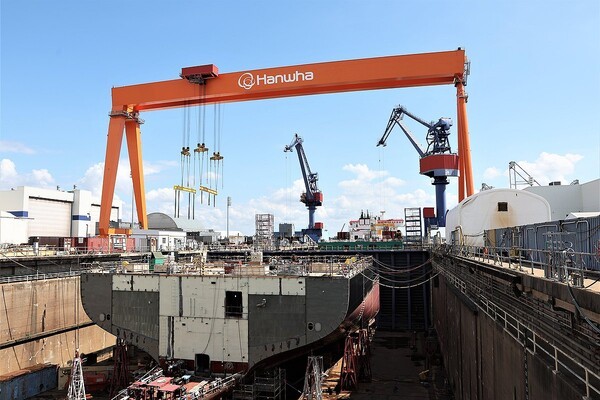
A new initiative aimed at enhancing cooperation between Korea and the U.S. in the shipbuilding and maritime sectors is on the horizon. The “Korea-U.S. Shipbuilding and Maritime Industry Cooperation Comprehensive Center” is expected to be established in Washington D.C. by summer 2024. While this development promises to bolster investment and technology exchange, experts caution that the timeline may be optimistic due to necessary federal procedures still pending.
Plans for the Comprehensive Center
According to industry insiders, negotiations are underway between the Korean and U.S. governments to create a local base that will facilitate Korean shipbuilding companies’ entry into the U.S. market. This center is a critical component of the MASGA project, which played a significant role in last year’s tariff discussions between the two nations. The comprehensive center is projected to be operational by June or July 2024, focusing on local vessel construction, technology transfer, and workforce training.
The center will prioritize workforce development, aiming to strengthen the U.S. shipbuilding industry’s foundation. The South Korean government has earmarked 6.644 billion won from this year’s budget for the Ministry of Trade, Industry and Energy to support the “Korea-U.S. Shipbuilding and Maritime Industry Technology Cooperation Center.” A significant portion of this budget, 3.45 billion won, will be allocated to the MASGA Academy, which will provide technical education and practical training in U.S. vessel design and production consulting. Major South Korean shipbuilders, including HD Korea Shipbuilding & Offshore Engineering, Hanwha Ocean, and Samsung Heavy Industries, are expected to participate in these initiatives.
Additionally, joint research and development projects will focus on implementing ship process automation systems and establishing production lines to enhance the U.S. shipbuilding sector. Participation from government-funded shipbuilding and maritime research institutes, public institutions, and industry associations is anticipated to further support these efforts.
HD Hyundai Explores Korea-U.S. Shipbuilding Cooperation with Foreign Minister
Challenges Ahead
Despite the promising plans, several challenges must be addressed before the center can fully operate. A critical hurdle is obtaining Facility Clearance (FCL), a certification required for companies involved in U.S. naval vessel construction and maintenance. This certification is issued by the U.S. Defense Counterintelligence and Security Agency (DCSA) after a thorough evaluation of a company’s ability to manage classified information. Furthermore, adjustments to the International Traffic in Arms Regulations (ITAR) will be necessary to facilitate joint construction and design of naval vessels.
An industry expert highlighted the complexities of the shipbuilding sector, noting that production is often tailored to specific customer demands, making it challenging for companies to predict the scale of U.S. investments or establish concrete timelines. The expert mentioned that discussions between companies may occur even before formal government negotiations or legislative changes take place, indicating a proactive approach to overcoming potential obstacles.
