
IMO’s PPR 13 Session Highlights Key Pollution Prevention and Response Initiatives
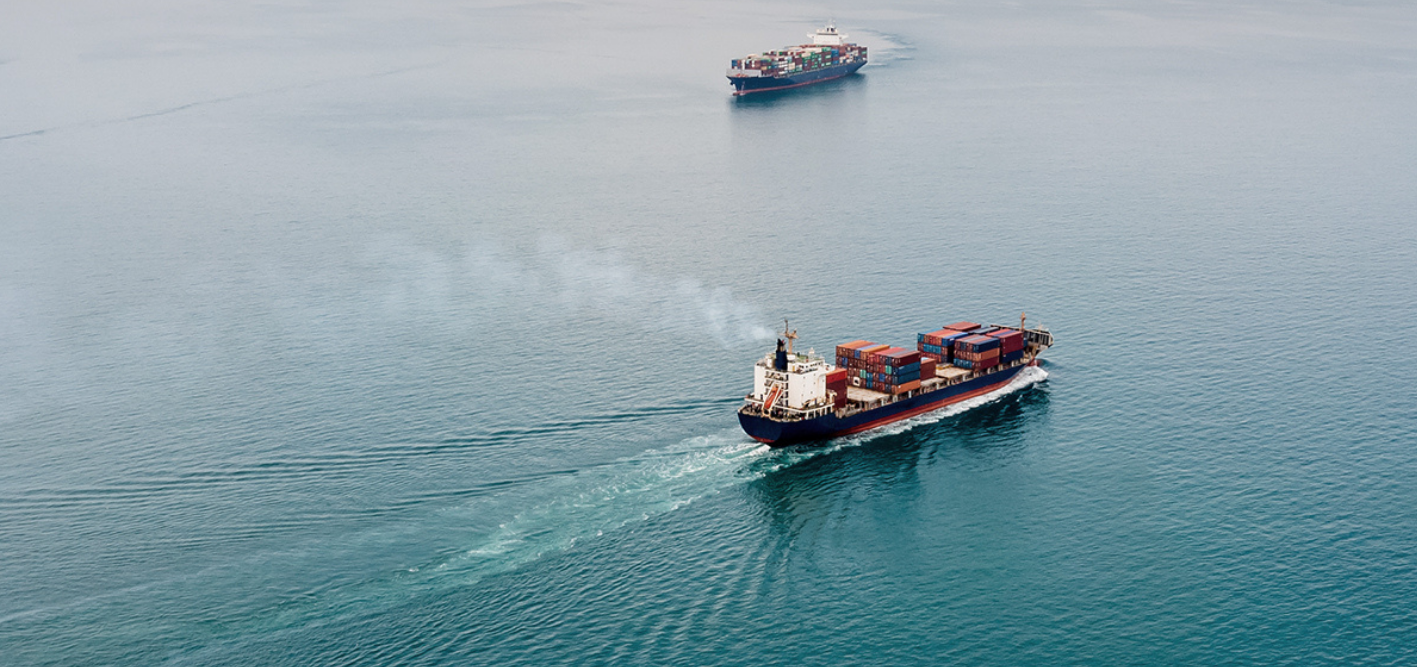
The 13th session of the International Maritime Organization’s Sub-Committee on Pollution Prevention and Response (PPR 13) took place in London from February 9 to 13, 2026. During this session, several crucial discussions and agreements were made to enhance environmental safeguards and operational standards within the maritime industry.
Legal Framework on Biofouling and NOx Emissions Certification
PPR initiated discussions on establishing a legally binding framework on biofouling, with plans to finalize it by 2029. Additionally, amendments were agreed upon to enable the certification of engines using non-carbon fuels or fuel mixtures under the NOx Technical Code. Furthermore, requirements were set for new crude oil carriers to have P/V valves with a minimum opening pressure of 0.20 bar, along with guidelines for the dewatering of oily bilge water.
Enhancing Pollution Prevention Measures
Efforts were focused on improving cargo tank stripping and washing operations, with proposals for enhancing stripping operations and including the ship’s position during tank washings in the Cargo Record Book. Discussions also progressed on the revision of MARPOL Annex IV concerning sewage treatment, aiming to develop comprehensive guidelines and amendments.
Glance at 10th session of the IMO’s Sub-Committee on Pollution Prevention and Response (PPR 10)
Air Pollution Control and NOx Emission Reviews
PPR addressed air pollution concerns, particularly black carbon emissions reduction in the Arctic through a polar fuel concept. Additionally, discussions on the restriction of Exhaust Gas Cleaning Systems discharge within Particularly Sensitive Sea Areas were deliberated. The review of NOx emission requirements under MARPOL Annex VI and the NOx Technical Code was initiated, focusing on compliance verification and regulatory enhancements.
Future Policy Considerations and Recommendations
PPR acknowledged the importance of managing ammonia effluents from ships using ammonia as fuel and recommended further discussions for future policy development. Recommendations put forth during PPR 13 sessions are subject to approval by the Marine Environment Protection Committee (MEPC).
