
Stable Bunker Fuel Demand at Sri Lankan Ports in January
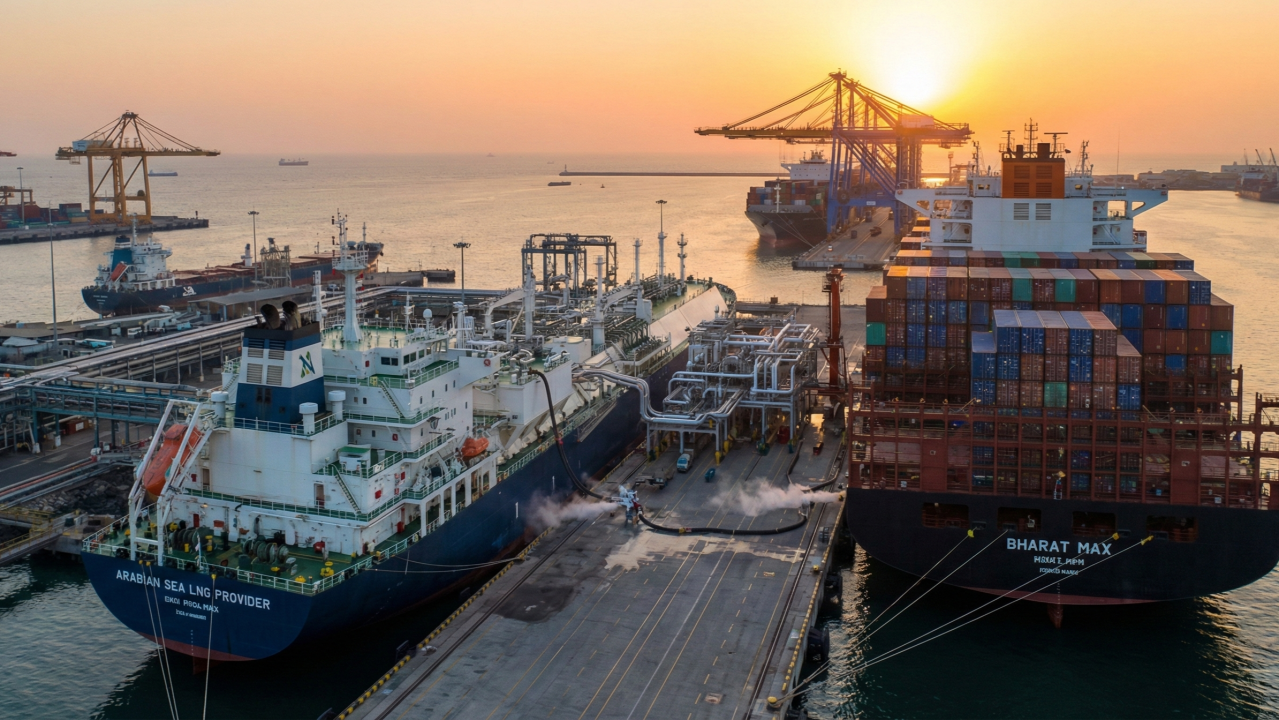
Demand for bunker fuels at Sri Lanka’s key ports, Colombo and Hambantota, remained stable throughout January 2023, bolstered by strong supply levels. Market sources reported that Trincomalee also experienced an uptick in volumes, primarily driven by increased demand from bulk carriers. According to a trader based in Colombo, the demand for bunker fuels at the country’s largest bunkering port was consistent, averaging between 83,000 and 85,000 metric tons for the month. The trader noted that price volatility did not significantly impact demand, as shipments were based on fixed trigger pricing rather than cost basis. This allowed for better reflection of price movements in the market.
The average price for marine fuel with a 0.5% sulfur content delivered in Colombo was assessed at $499.43 per metric ton as of February 1, marking a $12.33 increase from the previous month. In contrast, Mumbai’s average price for the same fuel type was $462.38 per metric ton, which saw a slight decrease of $2.85. A Sri Lanka-based trader mentioned that inquiries began to rise after January 15, indicating a neutral market in terms of demand. However, ongoing maintenance of their barge required collaboration with other suppliers to manage deliveries effectively.
Trincomalee Sees Increased Activity
Trincomalee has shown a consistent increase in bunker fuel demand over the past six months, averaging around 12,000 metric tons. This growth is attributed to heightened activity from bulk carriers operating along the Indian east coast. The average stem size for very low sulfur fuel oil (VLSFO) in this region ranges from 800 to 900 metric tons. Smooth port operations, free from weather disruptions, have further facilitated increased ship traffic to Trincomalee. In January alone, nearly 15,000 to 16,000 metric tons of product were supplied.
Lanka IOC PLC has significantly contributed to the volume of bunkering at Trincomalee, having recently upgraded their barge capacity from approximately 800 metric tons to 2,000 metric tons. This enhancement has allowed for more efficient handling of larger volumes. According to data from S&P Global Commodities at Sea, total bunkering and ship-to-ship calls in Sri Lanka rose by 5.40% month-over-month in January, reaching a total of 273 calls. Trincomalee accounted for the largest increase, with 26 calls in January, up from 20 in December, while Colombo and Hambantota also saw modest gains.
Supply Chain and Pricing Dynamics
The stable demand for bunker fuels at Colombo is further supported by robust supply availability, thanks to cargo imports from Singapore and Fujairah. A Colombo-based trader reported that back-to-back shipments of VLSFO are scheduled for all major suppliers, ensuring ample supply. Recent shipments included a cargo of 10,000 metric tons received on February 6, with additional shipments of 6,000 and 7,000 metric tons expected soon. Sinopec, a major cargo trader, has also contributed to market liquidity by importing both very low sulfur and high sulfur fuel oil.
In terms of high sulfur fuel oil (HSFO), demand at Sri Lankan ports has strengthened, particularly as Kochi, a competitive port, faces tight availability. A Kochi-based supplier noted that Hindustan Petroleum Corp. is currently the sole supplier at their port, which has led to increased inquiries for HSFO at Colombo. The average price for marine gasoil delivered to Colombo in January was assessed at $737.23 per metric ton, down $13.12 from the previous month, while Kochi’s low-sulfur marine fuel 0.5% was priced at $790.78 per metric ton, reflecting a significant drop of $84.89. The demand for HSFO saw a sluggish start in January but picked up momentum in early February, driven by bulk carriers and limited availability at Kochi.
