
Ammonia Propulsion: A Step Towards Zero-Carbon Shipping
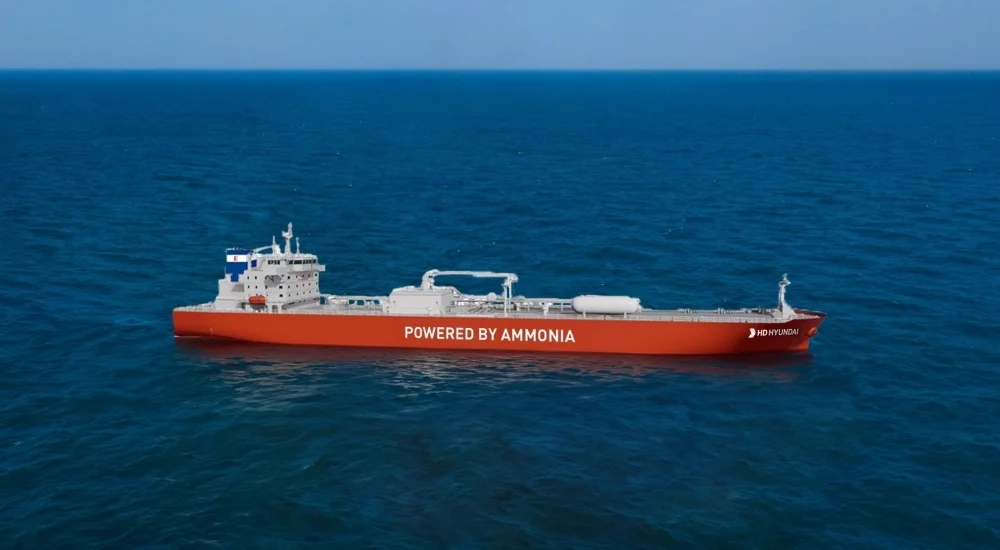
Ammonia propulsion is transitioning from a theoretical concept to a commercial reality, with several engine developers introducing dual-fuel designs. Everllence has unveiled its ME-LGIA engine, which incorporates advanced safety features, digital connectivity, and fuel flexibility. This innovation represents a significant advancement in the quest for zero-carbon deep-sea shipping. As the maritime industry intensifies its efforts to decarbonize, the shift to low greenhouse gas fuels is crucial. While liquefied natural gas and methanol have paved the way, ammonia is gaining traction, with three ammonia-capable vessels already operational and an additional 45 on order.
Ammonia presents several advantages as a fuel source. It is carbon-free at the point of combustion and can drastically reduce emissions when produced from renewable sources. Its high volumetric energy density makes it particularly suitable for deep-sea shipping, where long voyages necessitate robust fuel solutions. However, the adoption of ammonia is not without challenges. Its toxicity and corrosive properties demand stringent safety measures and specialized handling protocols, which exceed those required for conventional fuels. Additionally, concerns regarding bunkering infrastructure, crew training, and life-cycle emissions remain critical as the industry moves forward.
Engine Developers Embrace Ammonia Technology
As the momentum for ammonia propulsion grows, engine manufacturers are actively developing systems tailored for this fuel. WinGD and J-ENG have delivered their first dual-fuel two-stroke engines, with Everllence following suit in early 2026. Hyundai’s HiMSEN H22CDF-LA four-stroke engine has already received multiclass approval. Among the vessels currently on order, seven will feature Everllence’s newly launched two-stroke ammonia engines, each rated at 10–15 megawatts.
The ME-LGIA engine, based on the diesel principle, utilizes a liquid gas injection concept that allows operation on both ammonia and conventional fuels. This flexibility is crucial for shipowners during the transition phase, enabling them to switch between fuel types as infrastructure and supply chains develop. Everllence has prioritized safety and digitalization in the design of the ME-LGIA engine. It includes double-walled piping with continuous ventilation and monitored airflow to treatment systems, ensuring any leaks are contained and neutralized. The engine’s digital connectivity allows for real-time data flow between vessels and shore-based monitoring systems, enhancing operational reliability.
The development of the ME-LGIA engine has involved a substantial engineering commitment, with over 150,000 hours invested in design and validation since July 2023. More than 800 tests have been conducted to assess performance and safety, covering combustion behavior, emissions profiles, and material compatibility. The extensive research and development program has included combustibility investigations and full-scale bunkering trials. The results indicate that ammonia’s thermal efficiency is comparable to diesel, with emissions well-controlled and ammonia slip remaining below regulatory limits.
Operational Readiness and Future Considerations
While the ME-LGIA engine marks a significant breakthrough, operational readiness hinges on several factors. Crew training is essential due to ammonia’s toxicity and the complexities of its handling. Everllence is collaborating with classification societies and training providers to develop comprehensive training programs focused on fuel management, emergency response, and maintenance procedures.
Bunkering infrastructure is another critical element for successful adoption. Ports must invest in dedicated ammonia storage and transfer systems, incorporating robust safety protocols. Collaboration among engine developers, shipowners, and port authorities will be vital to facilitate a smooth transition to ammonia-powered vessels.
The introduction of Everllence’s ammonia engine signifies a pivotal moment in addressing the technical challenges associated with ammonia as a viable fuel option. With continued innovation and the establishment of necessary infrastructure, ammonia-powered vessels could play a crucial role in the decarbonization of deep-sea shipping. As the industry works towards meeting the International Maritime Organization’s decarbonization targets, the ME-LGIA engine represents a significant step forward in making zero-carbon shipping a reality.
