
Cyberattacks Surge in Maritime Sector
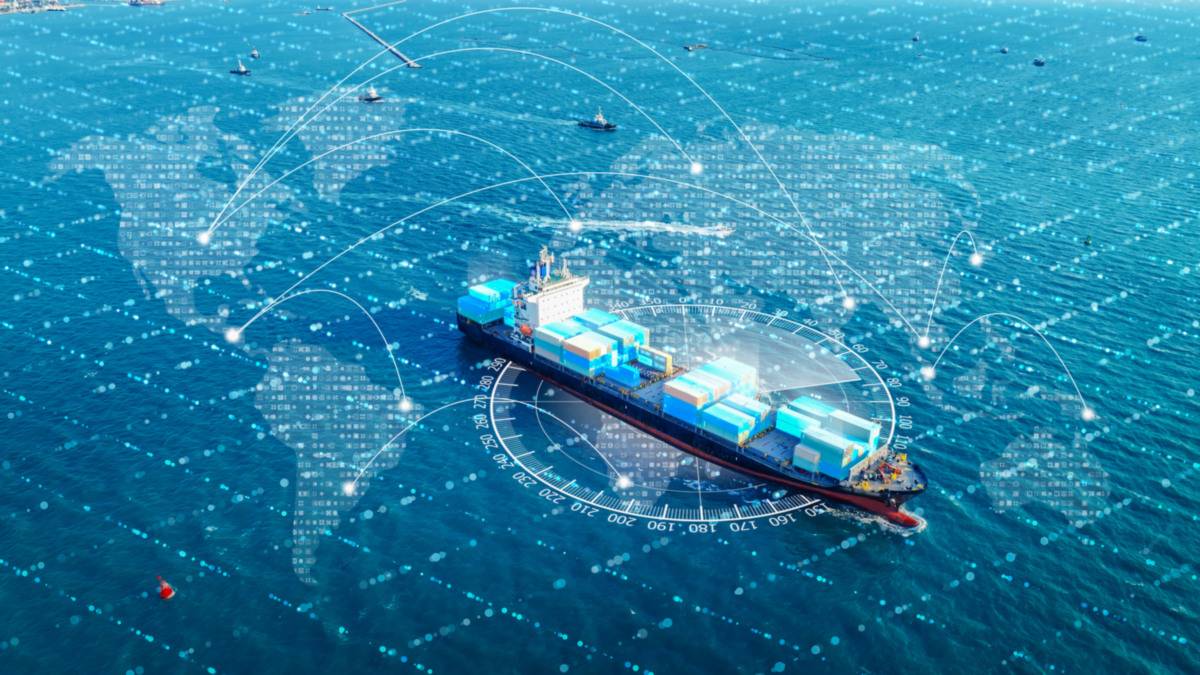
Cyberattacks are increasingly disrupting the shipping and marine industries, with the financial toll escalating dramatically. A recent study by law firm HFW reveals that the average cost of responding to such attacks has surged to $550,000 (£410,000) in just one year. As cybercriminals refine their tactics, the maritime sector faces heightened risks, particularly concerning the systems that track vessel locations at sea.
Understanding AIS Spoofing and GPS Jamming
Cyber threats like Automatic Identification System (AIS) spoofing and GPS jamming are becoming more prevalent in maritime operations. AIS spoofing involves the manipulation of AIS signals to provide false information about a vessel’s identity, location, or destination. This is achieved through fake transmitters and GNSS systems, which can distort data on radar screens and navigation logs. Similarly, GPS jamming disrupts positioning signals, further compromising the reliability of AIS.
Recent incidents, particularly in the Strait of Hormuz, have highlighted the dangers of these tactics. Finland’s Coast Guard also reported disturbances in the Baltic Sea, where tankers were found to be spoofing their location data to obscure visits to Russia. Such deceptive practices pose significant risks for shipping operators, as they can lead to collisions in busy waters and disrupt cargo flow visibility for logistics professionals. Financial institutions also face challenges, as inaccurate data can hinder compliance with sanctions and ownership checks, exposing them to regulatory risks.
Persistent Tracking: A Solution for Enhanced Security
To combat these growing threats, the maritime industry is turning to persistent tracking methods. This approach integrates multiple vessel tracking services and data sources, including AIS, secure satellite tracking systems, and Earth Observation data. By employing real-time analytics, persistent tracking enhances the accuracy and reliability of vessel location data.
This layered tracking model allows stakeholders to gain greater confidence in the true positions of vessels, minimizing errors associated with false data. It enables immediate identification of anomalies or deviations, facilitating timely investigations. Additionally, the integration of predictive analytics, artificial intelligence, and machine learning provides deeper insights into the extent of cyber threats, ensuring safer and more compliant shipping operations.
As cyberattacks continue to evolve, the need for robust maritime cybersecurity measures becomes increasingly urgent. NATO has recognized this challenge, emphasizing the importance of securing maritime port infrastructure, which handles approximately 80% of global trade. Their recent policy brief outlines strategies for enhancing maritime cyber defense while maintaining commercial efficiency. The cost of inaction, they argue, far outweighs the investment needed for comprehensive cybersecurity solutions.
