
Navy Seeks Vessel Manager for New Landing Ship
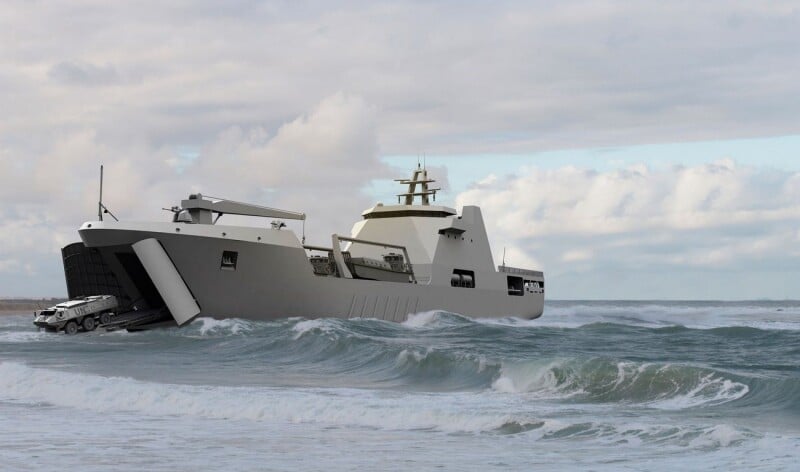
The U.S. Navy has announced a significant development in its amphibious program by issuing a request for proposals for a vessel construction manager (VCM) to oversee the acquisition of the medium landing ship (LSM). This new approach marks a departure from traditional shipbuilding practices, aiming to streamline oversight and enhance efficiency. The Navy anticipates awarding the contract by mid-2026, with initial production set to take place at Bollinger Shipyards and Fincantieri Marinette Marine.
New Management Strategy for Shipbuilding
The introduction of the VCM role is a pivotal change in how the Navy plans to manage the construction of the medium landing ship. The VCM will act as the prime contractor, directly holding the primary contract with the Navy and managing subcontracts with shipbuilders. This model is designed to reduce costs and mitigate schedule risks by implementing a commercial-style program manager between the Navy and the builders. Rear Adm. Brian Metcalf, program executive officer for ships, emphasized that this approach not only accelerates construction timelines but also strengthens the industrial base by engaging multiple shipyards.
Under this new structure, the VCM will maintain direct contractual control over shipyard performance, allowing for a more streamlined oversight process. The Navy’s strategy aims to manage production across several yards simultaneously, utilizing commercial shipbuilding practices and reducing the number of Navy personnel involved in the program. This shift is expected to enhance efficiency and foster broader participation from the industrial base, ultimately leading to faster delivery of the new vessels.
Medium Landing Ship Program Overview
The Medium Landing Ship program is designed to fill the operational gap between smaller, short-range landing craft and larger amphibious warships. The Navy and U.S. Marine Corps selected Damen Naval’s LST 100 design as the baseline for the LSM in December 2025. This design is classified as non-developmental, which the Navy believes will minimize technical risks and expedite the fielding process.
The program aims to establish a fleet of 35 ships to support Marine Corps distributed operations and logistics, particularly in contested littoral environments like the Indo-Pacific region. The LSM will play a crucial role in enhancing the Navy’s amphibious capabilities, ensuring that U.S. forces can effectively operate in diverse and challenging maritime scenarios.
