
WinGD Achieves Milestone in Zero-Carbon Shipping with Ammonia-Fuelled Engine
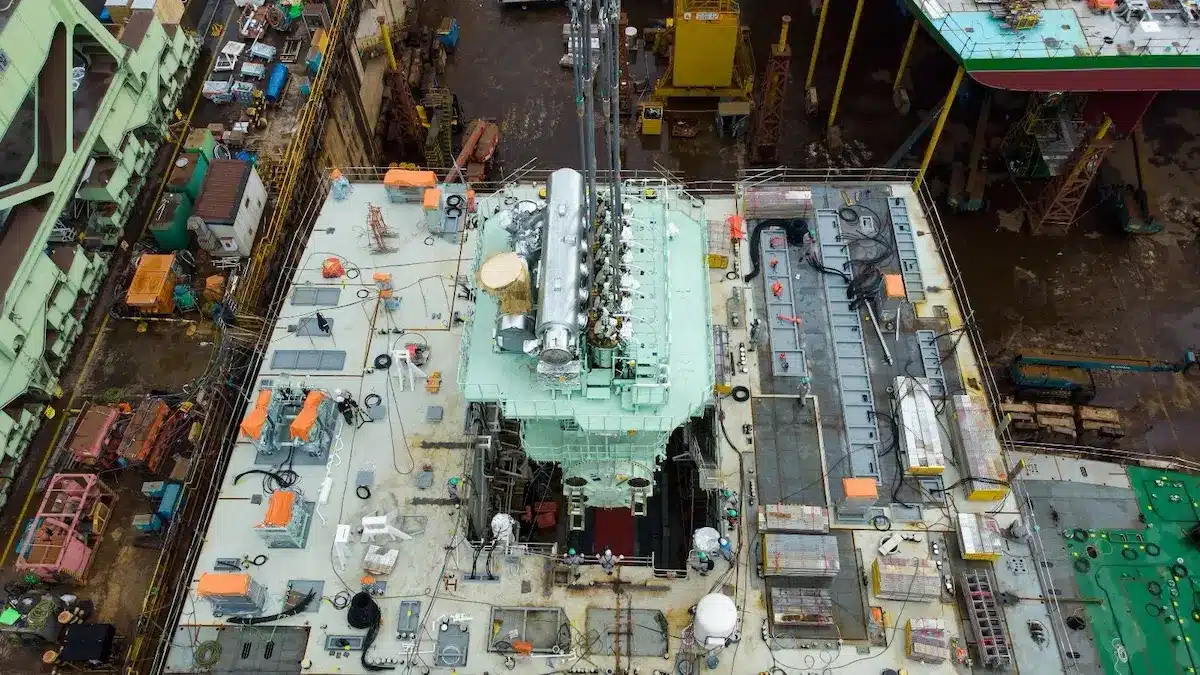
Swiss marine power company WinGD has reached a significant milestone in the quest for zero-carbon shipping. The company successfully completed both Type Approval Testing (TAT) and Factory Acceptance Testing (FAT) for its ammonia-fuelled two-stroke marine engine, the X52DF-A-1.0. These tests were conducted in January 2026 at the HD Hyundai Heavy Industries’ Engine & Machinery (HHI-EMD) facility in South Korea. The testing was overseen by Lloyd’s Register, along with representatives from major classification societies and EXMAR, the joint development partner.
The X52DF-A-1.0 engine is designed for a 46,000m³ LPG/ammonia carrier currently on order for EXMAR. This vessel series is poised to become the first ammonia-fuelled gas carriers to enter commercial service, marking a pivotal moment in the shipping industry’s efforts to decarbonize. The successful completion of these tests underscores the potential of ammonia as a marine fuel and highlights WinGD’s commitment to advancing sustainable shipping technologies.
Technical Achievements and Environmental Impact
Sotiris Topaloglou, Global Head of Testing & Validation at WinGD, emphasized the importance of these tests, stating that they represent a major technical achievement in ammonia-fuelled propulsion. He noted that the company has tackled numerous technical challenges to ensure the engine’s safety and efficiency. The results from the TAT indicate that ammonia propulsion can meet the industry’s high standards for reliability and performance.
The emissions data from the XDFA engine has shown promising results, with nitrogen oxide (NOx) emissions during ammonia operation significantly lower than those produced by traditional diesel engines. Additionally, emissions of nitrous oxide (N2O) have been minimal, contributing negligibly to the overall greenhouse gas emissions footprint. This data reinforces the growing confidence in ammonia as a viable marine fuel.
WinGD has already secured an order book of approximately 30 X-DF-A engines across various vessel segments, including gas carriers, bulk carriers, tankers, and container vessels. This momentum reflects a broader confidence in the maritime sector as advancements in engine technology, ship design, and operational frameworks continue to evolve in tandem.
Next Steps for EXMAR and Future Trials
Minho Kang, Head of Marine Engine & Machinery Technical Section at HHI-EMD, highlighted the technological leadership demonstrated through the successful completion of TAT and FAT. He affirmed the company’s commitment to leading the decarbonization of maritime transport by delivering high-quality, eco-friendly marine engines.
EXMAR’s Director of Fleet Operations & Technical Business Development, Kristof Coppé, noted that these successful tests are a crucial step in the company’s journey to utilize ammonia as a marine fuel, a process that began in 2021. With over 40 years of experience in transporting ammonia as cargo, EXMAR has carefully evaluated both the engine design and the testing program, focusing on safety considerations associated with using ammonia as fuel.
Looking ahead, EXMAR plans to conduct sea trials using ammonia fuel to validate the integration and performance of all onboard systems. Preparations for these trials are underway, with testing scheduled in the coming months. As the first engines approach service, WinGD’s X-DF-A platform offers shipowners a reliable option as they navigate the evolving regulatory landscape and market demands on the path to achieving net-zero emissions. The design optimizations made during the development and testing phases will ensure consistent performance, safety, and operational reliability as these innovative ships enter service.
