
Belgian and French Navies Intercept Suspicious Tanker
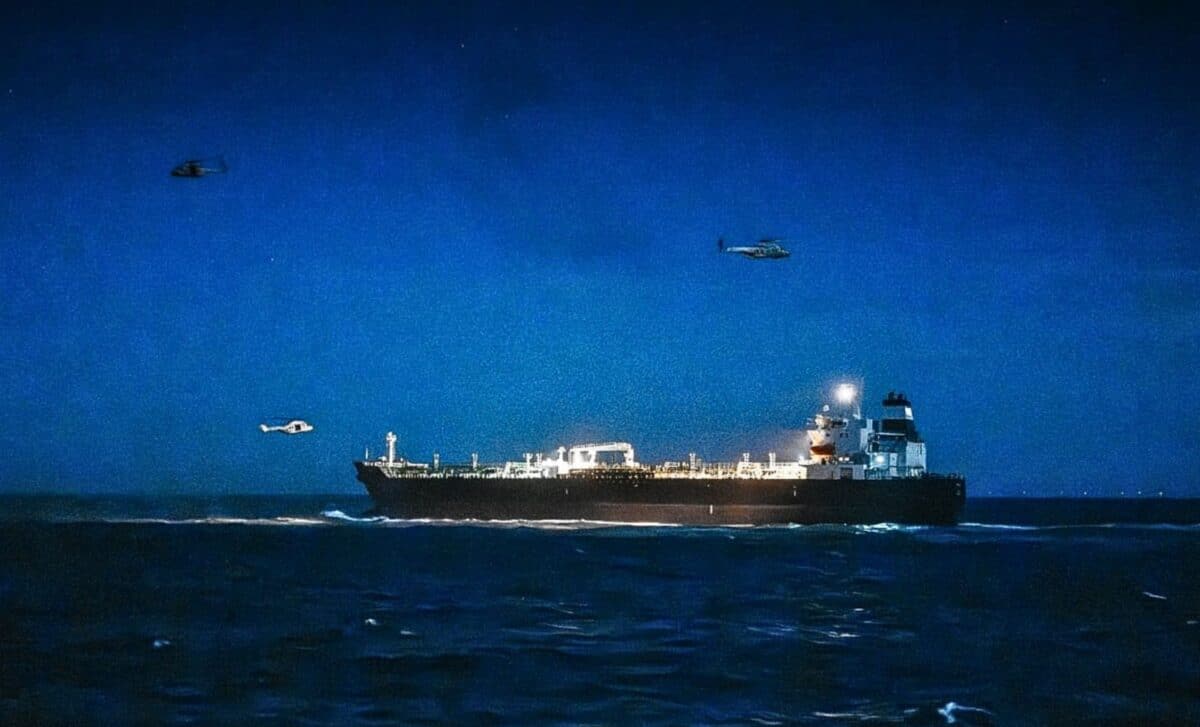
Maritime security authorities in the North Sea are on high alert after an unidentified vessel exhibited unusual behavior near the Belgian Exclusive Economic Zone (EEZ). The ship, which failed to transmit its standard digital identifiers, raised immediate concerns about its intentions and compliance with maritime regulations. Radar operators noted that the vessel was not broadcasting essential information, prompting a coordinated response from Belgian and French naval forces.
Surveillance Escalates in European Waters
Belgian authorities swiftly deployed maritime patrol aircraft to visually identify the suspicious tanker. Pilots reported observing a vessel with an aged hull and unclear markings, which heightened concerns about its operational legitimacy. The absence of a functioning Automatic Identification System (AIS) transponder, a critical tool for maritime safety, was noted throughout the surveillance operation. This violation of international maritime safety standards raised alarms among officials, who recognized the potential navigational and environmental risks posed by the unidentified tanker.
In response, Belgium’s Maritime Security Centre began collaborating with neighboring countries to formulate a plan. Officials expressed concerns that the tanker could be carrying hazardous materials without proper documentation or insurance, which could endanger the busy shipping lanes of the English Channel. As a precaution, authorities prepared to intercept the vessel before it could enter more congested maritime areas.
Joint Naval Response
A rapid joint operation was organized, involving both the Belgian and French Navies. A Belgian patrol ship was positioned to monitor the tanker, while French naval assets provided aerial reconnaissance and operational support. Despite repeated attempts to establish radio contact, the vessel remained unresponsive, further intensifying suspicions among naval commanders.
Military planners prepared for a boarding operation, ensuring that weather conditions were favorable for a safe intervention. Under international maritime law, naval forces are authorized to board vessels when there are credible concerns regarding navigational safety or potential violations of maritime regulations.
Boarding Operation
Specialized naval units executed the boarding operation using NH90 helicopters, with personnel descending onto the deck while securing the surrounding area. The operation was conducted without resistance, allowing inspectors to review the ship’s registration documents and cargo logs. The tanker was identified as the Zaliv Amurskiy, carrying a full load of crude oil. However, the crew could not provide valid insurance certificates or documentation confirming the cargo’s origin, raising immediate concerns among inspectors.
International shipping regulations mandate that vessels transporting oil maintain proper insurance and accurate cargo records to mitigate the risks of environmental disasters. The absence of such documentation prompted further investigation into the vessel’s operations.
Connection to Russia’s Shadow Fleet
Authorities later linked the tanker to what analysts refer to as Russia’s shadow fleet, a network of aging vessels used to transport oil while evading traditional regulatory frameworks. These ships often change names and ownership to obscure their identities and bypass sanctions imposed by Western governments. The expansion of this shadow fleet has become a significant concern for European and G7 policymakers, as many vessels operate without recognized insurance or proper oversight, increasing the risk of accidents and environmental damage.
Belgian official Theo Francken emphasized the operation’s success in enforcing maritime regulations and protecting strategic waterways. French President Emmanuel Macron highlighted the importance of cooperation among allied naval forces to ensure security and environmental protection in European waters.
Ahead Of MEPC81, Belgian Shipowners Once Again Make The Case For A Global Maritime Pricing Mechanism
Environmental Risks and Ongoing Investigation
The presence of uninsured oil tankers in the North Sea shipping lanes poses considerable environmental risks, as mechanical failures could lead to catastrophic oil spills. The region is home to busy shipping routes, fishing grounds, and delicate marine ecosystems that could suffer severe damage from even minor incidents. Environmental experts have repeatedly warned that aging vessels operating outside regulatory oversight represent a growing threat.
Following the boarding operation, the Zaliv Amurskiy was escorted to the Belgian port of Zeebrugge, where it remains under military supervision. Technical teams are working to safely offload the oil cargo while investigators examine the ship’s ownership and operational history. Belgium’s Ministry of Defense has classified the incident as a formal maritime enforcement operation, and authorities continue to investigate the vessel’s involvement in sanctions evasion networks. This seizure underscores the broader challenges governments face in monitoring opaque shipping systems that attempt to circumvent global regulations.
