
Strait of Hormuz Blockade Intensifies Amid U.S.-Iran Tensions
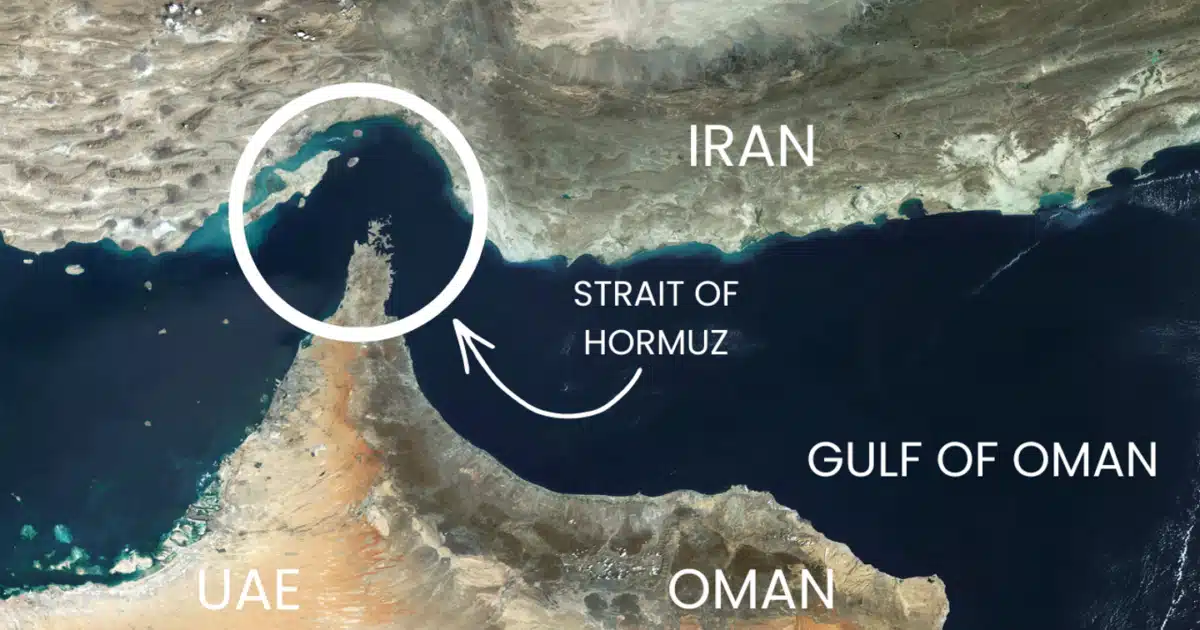
Traffic in the Strait of Hormuz has come to a standstill as both Iran and the United States enforce separate blockades. This escalation follows Iran’s announcement on Friday that it would reopen the strategic waterway, a move not reciprocated by the U.S. for vessels traveling to and from Iranian ports. According to marine tracking data, the situation has worsened, with only four ships managing to cross the strait since Sunday, highlighting the growing tensions in this crucial maritime corridor.
The Iranian government had initially allowed dozens of commercial vessels to pass through the strait before re-closing it on Saturday. Following this closure, Iran issued a warning that any approaching ships would be treated as potential targets. The U.S. military has reported that since the blockade began, it has directed 27 vessels to turn back or return to Iranian ports. This includes the sanctioned container ship Shamim, which was last detected near the Iranian port of Chabahar, and the Iranian-flagged bulk carrier Artman, which was intercepted and redirected by U.S. forces.
Impact on Maritime Traffic and International Relations
The blockade has severely impacted maritime traffic in the region. Marine tracking firm Kpler reported that only a handful of vessels have successfully navigated the strait in recent days. Among them was the Iranian-flagged Nova Crest, which departed the Gulf early Monday and continued towards the Gulf of Oman. However, the U.S. blockade typically intensifies as vessels approach the Iranian border with Pakistan, complicating the situation further.
On Monday, Iran permitted the sanctioned gas tanker Axon I to enter the Gulf, as it was destined for the UAE and thus not subject to U.S. restrictions. Meanwhile, the Panama-flagged Starway, owned by a Chinese firm, initially passed through the Iran-approved route but later made a U-turn, indicating the uncertainty surrounding maritime operations in the area. The LPG tanker Raine also reversed course after nearing open seas, demonstrating the pervasive influence of U.S. military directives on vessel movements.
The brief reopening of the waterway has done little to alleviate the congestion in the Gulf. Over 750 commercial vessels were reported to be transmitting signals from within the Gulf on Sunday, with approximately 350 of those being oil or gas tankers. This situation underscores the critical nature of the Strait of Hormuz, which serves as a vital passage for global energy supplies.
Escalating Incidents and Diplomatic Strain
The tensions in the Strait of Hormuz have also led to diplomatic strains, particularly between Iran and India. Following a shooting incident involving two Indian-flagged ships, New Delhi summoned the Iranian ambassador to lodge a formal protest. Additionally, the French-flagged container ship CMA CGM Everglade reported damage from an unknown projectile, further complicating the security landscape in the region.
As the situation evolves, the international community remains watchful of developments in the Strait of Hormuz. The ongoing blockades and military interventions reflect the fragile state of relations between the U.S. and Iran, with potential implications for global maritime trade and regional stability. The strait’s significance as a conduit for oil and gas makes it a focal point for geopolitical tensions, and the recent incidents highlight the urgent need for diplomatic engagement to prevent further escalation.
