
Indian Government Ensures Safety of Seafarers Amid Strait of Hormuz Incident
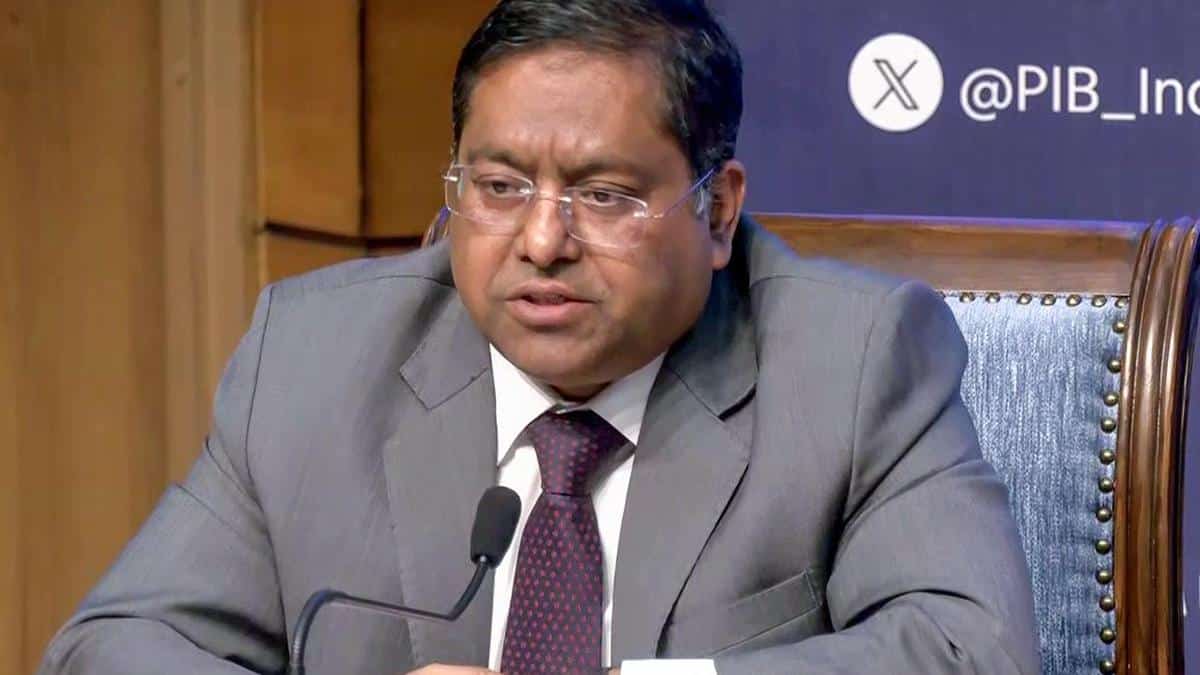
The Ministry of External Affairs (MEA) of India is actively engaging with Iranian authorities to secure the safe passage of Indian vessels following a recent firing incident in the Strait of Hormuz. This incident occurred on April 18, affecting two Indian ships, the VLCC Samnar Herald and the Bulk Carrier Jag Arnav, which were forced to return to the Persian Gulf. The MEA has emphasized its commitment to the welfare of Indian seafarers and is closely monitoring the situation.
Government Response to the Firing Incident
Randhir Jaiswal, the spokesperson for the MEA, confirmed that the ministry is in constant communication with Iranian officials to ensure the safety of Indian ships navigating through the Strait of Hormuz. “We continue to be in touch with the Iranian authorities for the safety of our ships, for the safe exit through the Strait of Hormuz,” Jaiswal stated during an inter-ministerial briefing on recent developments in West Asia.
In light of the firing incident, the Indian government took immediate action by summoning the Iranian Ambassador for a meeting with the Foreign Secretary. During this meeting, the Foreign Secretary expressed deep concerns regarding the incident and reiterated the importance of safe and unimpeded transit for commercial shipping in the region. Jaiswal noted that nine Indian flagged ships have successfully crossed the Strait of Hormuz and reached India, while one vessel is still en route.
Currently, around three Indian and 14 foreign-flagged vessels are waiting in the western Persian Gulf for safe transit through the Strait. This group includes four LPG carriers, three LNG vessels, and ten crude oil tankers. The Shipping Ministry has assured that it is in “close and continuous communication” with the crews and owners of the affected vessels, prioritizing the safety and security of Indian seafarers.
India Engages Iran for Maritime Safety Following Firing Incident
Oil Supply Stability Amid Geopolitical Tensions
In a related development, the Ministry of Petroleum & Natural Gas (MoPNG) has assured that India has sufficient crude oil supplies despite the ongoing geopolitical tensions in West Asia. The government has confirmed that there is no shortage of petrol and diesel at retail fuel stations. To further bolster supply, the total commercial LPG allocation has been increased to approximately 70% of pre-crisis levels, including a 10% reform-linked allocation.
Since March 23, over 18.45 lakh 5-kg Free Trade LPG cylinders have been sold, with an average of more than 7,000 tonnes of commercial LPG sold daily over the past five days. The average auto LPG sale by public sector oil marketing companies (OMCs) has also seen a significant increase, reaching around 350 tonnes per day, compared to 177 tonnes per day in February 2026. This shift in auto LPG sales from private to public sector OMCs has been particularly notable in states such as Karnataka, Tamil Nadu, Telangana, Rajasthan, and West Bengal.
