
Strait of Hormuz Traffic Disrupted Amid U.S.-Iran Tensions
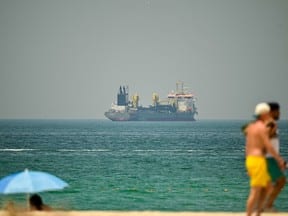
Since Sunday, maritime traffic in the Strait of Hormuz has significantly declined, with only four vessels successfully crossing in either direction. This disruption follows the imposition of separate blockades by both Iran and the United States, as Iranian ships continue to test U.S. restrictions. According to marine tracking firm Kpler, the situation has escalated tensions in this critical waterway, which is vital for global oil transportation.
On Friday, Iran announced plans to reopen the Strait, but the U.S. did not reciprocate, maintaining its blockade on vessels traveling to and from Iranian ports. The Iranian government had previously allowed several commercial vessels to pass through before re-closing the strait on Saturday. Iranian officials warned that any approaching ships would be treated as potential targets, further complicating the maritime situation.
Recent Vessel Movements and Military Interventions
Tracking data indicates that since the blockade’s initiation, U.S. forces have directed 27 vessels to turn around or return to Iranian ports. Among the few ships that managed to cross recently was the Iranian-flagged Nova Crest, which departed the Gulf early Monday and continued toward the Gulf of Oman. However, the U.S. blockade typically takes effect as vessels approach the Iranian border with Pakistan.
Additionally, Iran permitted the entry of the sanctioned gas tanker Axon I into the Gulf, as it was destined for the UAE and thus not subject to U.S. restrictions. Another tanker, G Summer, crossed in the opposite direction but did not dock at any Iranian port, instead remaining near the Omani capital of Muscat.
The Panama-flagged Starway, owned by a Chinese firm, also attempted to navigate the Iran-approved route but made a U-turn shortly after crossing. This pattern of movement highlights the precarious nature of maritime operations in the region, where U.S. military presence has intensified.
Escalating Tensions and International Reactions
The situation in the Strait of Hormuz has prompted international concern, particularly following incidents involving Indian-flagged ships. New Delhi summoned the Iranian ambassador to protest a shooting incident that affected two of its vessels. Furthermore, the French-flagged container ship CMA CGM Everglade reported damage from an unknown projectile, underscoring the risks faced by commercial shipping in the area.
Despite the brief reopening of the waterway, the number of vessels stranded in the Gulf remains high. Over 750 commercial ships transmitted signals from within the Gulf on Sunday, with approximately 350 identified as oil or gas tankers. The ongoing tensions and military interventions have created a challenging environment for maritime operations, raising questions about the safety and security of shipping routes in this strategically important region.
