
Israel Rejects Vessel Carrying Stolen Grain from Ukraine
Israel has taken a firm stance against maritime trade involving stolen goods by turning away the Panama-flagged bulk carrier, Panormitis. The vessel was accused of transporting over 6,200 tons of wheat and 19,000 tons of barley that Ukrainian officials claim were looted from Russian-occupied territories in Ukraine. This decision comes as a significant victory for Ukraine, which has been actively working to raise awareness and apply legal pressure regarding the illicit trade of its agricultural products.
Ukrainian Foreign Minister Andrii Sybiha announced on Thursday that the Panormitis would not be allowed to unload its cargo in Israel. He emphasized that this action demonstrates the effectiveness of Ukraine’s diplomatic efforts. “This demonstrates that Ukraine’s legal and diplomatic actions have been effective,” Sybiha stated on social media platform X. The Israeli importer, Zenziper, rejected the cargo in accordance with the position of Israel’s Grain Importers Association, which stated that the Russian supplier must seek an alternative destination for the shipment.
The Israeli Foreign Ministry later confirmed that the vessel had “decided to depart from Israel’s territorial waters,” although no further details were provided. This incident serves as a warning to other vessels involved in similar trades, with Sybiha urging all parties not to engage in the purchase of stolen Ukrainian grain.
Ukraine’s Ongoing Efforts Against Grain Theft
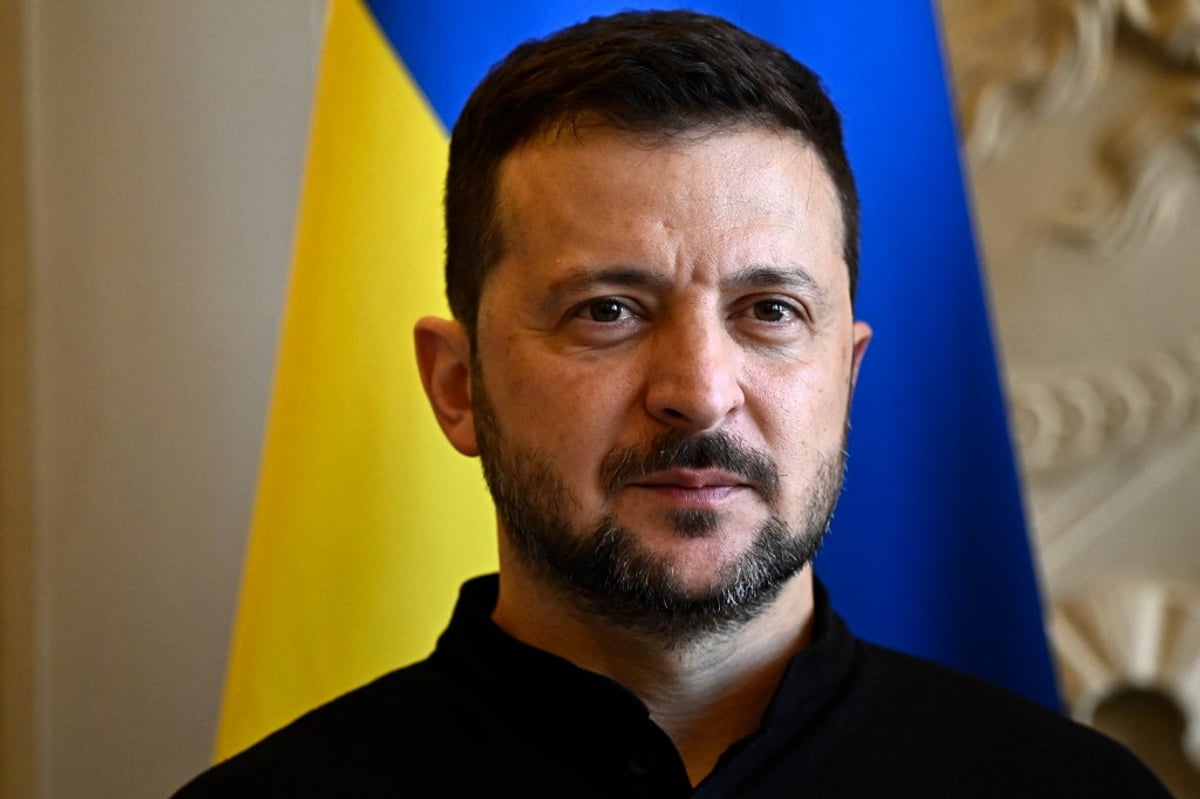
This incident aligns with broader efforts by Ukraine to combat the illegal export of its agricultural products. President Volodymyr Zelensky has highlighted the establishment of a systematic framework aimed at countering what he refers to as Russia’s “shadow grain fleet.” This initiative is designed to track and penalize vessels involved in transporting stolen goods from occupied Ukrainian territories, mirroring Ukraine’s ongoing efforts to dismantle the Kremlin’s shadow oil fleet.
Zelensky noted that collaboration with international partners has intensified to synchronize sanctions against these illicit activities. “It is important that work with partners has been intensified to synchronize sanctions – Ukrainian sanctions in partners’ jurisdictions and partners’ sanctions in our jurisdiction,” he remarked. The Ukrainian government is working closely with its diplomats and the Office of the Prosecutor General to address the issue of stolen grain, particularly in relation to Israel.
According to Ukrainian officials, between January and April 2026, approximately 25 vessels made 50 voyages from occupied ports, exporting over 850,000 tons of stolen grain valued at tens of millions of dollars. The Ukrainian counter-system aims to include synchronized sanctions with the EU, G7, and other allies, alongside targeted investigations, satellite imagery, cargo certification checks, and diplomatic pressure to detain or seize suspect vessels and cargo.
As Ukraine continues to strengthen its legal and diplomatic measures, the rejection of the Panormitis by Israel marks a significant step in the fight against the illegal grain trade, reinforcing the importance of international cooperation in addressing such issues.
