
Six steps to achieving trustworthy synthetic data in healthcare
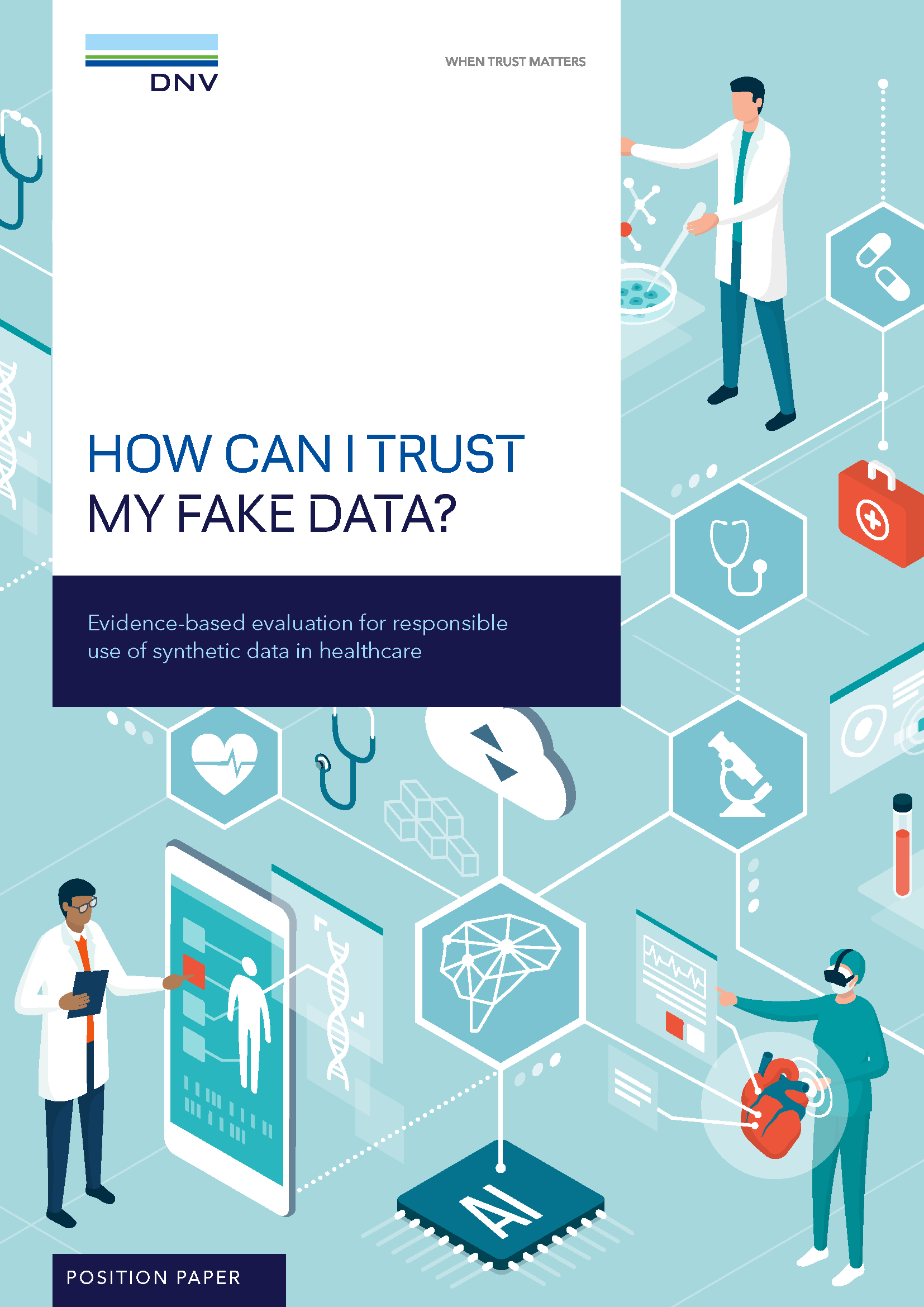
DNV, a leading global provider of assurance services, has recently published a position paper that delves into the crucial topic of building trust in synthetic data within the healthcare sector. This paper offers a structured approach to ensure the integrity and reliability of synthetic data, emphasizing the importance of evidence-based evaluation and responsible adoption. Let’s explore the key insights provided in this informative document.
Structured Approach to Building Trust in Synthetic Data
In the realm of healthcare, the utilization of synthetic data holds immense potential for driving innovation, improving patient outcomes, and advancing research efforts. However, the credibility of synthetic data is contingent upon establishing trust among stakeholders. DNV’s position paper sets forth six practical steps that organizations can take to bolster confidence in the use of synthetic data.
The first step outlined in the paper involves conducting a thorough risk assessment to identify potential vulnerabilities and ensure robust data protection measures are in place. This proactive approach is essential for safeguarding sensitive healthcare information and mitigating cybersecurity threats.
Subsequently, the paper emphasizes the significance of transparent documentation and communication practices to enhance accountability and facilitate informed decision-making. By clearly articulating the origins and characteristics of synthetic data, organizations can promote trust and foster collaboration within the healthcare ecosystem.
Moreover, the paper underscores the importance of rigorous validation processes to verify the accuracy and reliability of synthetic data. By subjecting the data to comprehensive testing and validation protocols, organizations can instill confidence in its usability for diverse applications, ranging from predictive analytics to clinical trials.
In addition, the paper advocates for the establishment of clear governance frameworks that outline the roles, responsibilities, and ethical guidelines governing the use of synthetic data. This structured approach ensures compliance with regulatory requirements, ethical standards, and data privacy regulations, thereby enhancing trust and accountability.
Furthermore, the paper highlights the need for ongoing monitoring and evaluation mechanisms to track the performance and impact of synthetic data initiatives. By continuously assessing the effectiveness and efficiency of synthetic data usage, organizations can optimize their processes and address any emerging challenges or opportunities.
Overall, DNV’s position paper offers a comprehensive roadmap for building trust in synthetic data within the healthcare domain. By following these six practical steps, organizations can foster a culture of trust, transparency, and accountability, paving the way for the responsible adoption of synthetic data technologies in healthcare settings.
