
ABS, DOE-NE sign maritime nuclear MOU
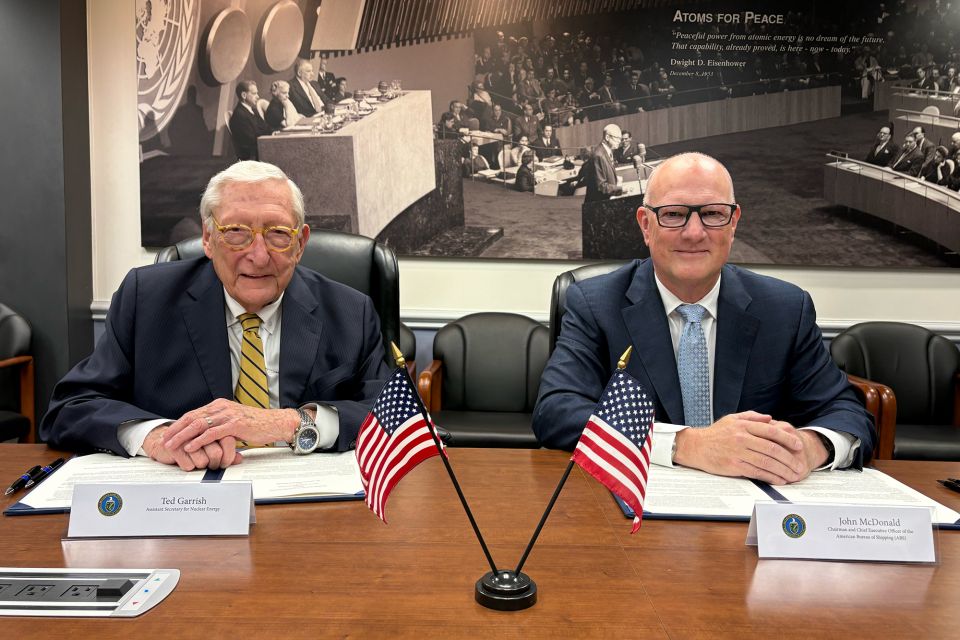
In a groundbreaking move to revolutionize maritime technology, the American Bureau of Shipping (ABS) and the Department of Energy’s Office of Nuclear Energy have signed a memorandum of understanding. This partnership aims to propel modern commercial nuclear technology forward, specifically focusing on applications at sea such as floating nuclear power plants, nuclear-powered vessels, and utilization at ports, shipyards, and industrial bases.
Advancing Nuclear Technology at Sea
The collaboration between ABS and the Department of Energy signifies a significant step towards integrating nuclear reactor technology into maritime applications. ABS, a renowned maritime classification and certification organization, will lead the charge in crafting concept and feasibility studies for floating nuclear power and nuclear transportation corridors. Additionally, ABS will provide crucial support to the U.S. shipbuilding industry in the safe development of nuclear-powered assets. The organization will also play a pivotal role in coordinating related efforts through the U.S. Maritime Administration’s U.S. Center for Maritime Innovation.
ABS will take on the responsibility of co-managing the Maritime Nuclear Applications Group, offering technical, regulatory, economic, and policy support for studies. The organization will work closely with the Department of Energy to foster interagency coordination, ensuring a seamless integration of advanced nuclear technology into the maritime sector.
Industry Leaders Speak Out
ABS Chairman and CEO John McDonald expressed his enthusiasm for the partnership, stating, “Advanced nuclear technology is moving from concept to application, and the maritime industry needs to be ready for it. This agreement with DOE reflects the depth of work already underway and provides a framework to go further.” Meanwhile, DOE Assistant Secretary for Nuclear Energy Ted Garrish emphasized the importance of the collaboration, stating, “The Department of Energy’s partnership with the American Bureau of Shipping will help explore how we can build on decades of experience to safely bring next-generation nuclear technologies to the maritime sector and position America to lead this emerging industry.”
Previous Developments in Maritime Nuclear Technology
This partnership between ABS and the Department of Energy follows a series of commitments made by various agencies to advance maritime nuclear projects. The International Atomic Energy Agency launched its Atomic Technologies Licensed for Applications at Sea (ATLAS) program, aimed at supporting the use of new nuclear reactor technology in civilian shipping and floating nuclear power plants. Additionally, the Department of Transportation’s MARAD signed memorandums of cooperation with the ports of Long Beach in California and Corpus Christi in Texas to explore the use of new nuclear reactor technology in powering commercial vessels, ports, and other maritime assets.
The collaboration between ABS and the Department of Energy marks a significant milestone in the integration of advanced nuclear technology into the maritime sector, setting the stage for a new era of innovation and sustainability in the maritime industry.
