
Aging Iranian Oil Tankers Pose Environmental Threat
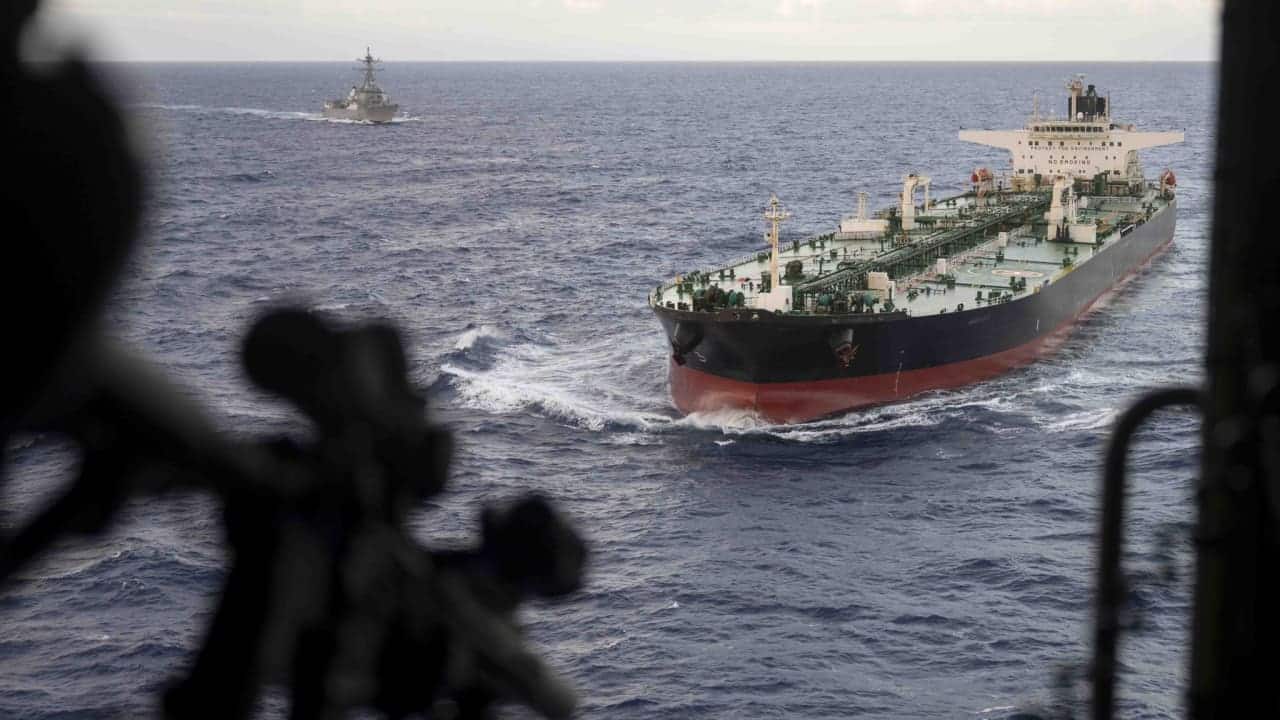
Recent assessments reveal that Iran’s aging fleet of oil tankers, which operate under international sanctions, is increasingly viewed as a significant environmental and maritime safety risk. Experts warn that a serious accident involving these vessels could lead to catastrophic oil spills, raising alarms about the potential consequences for marine ecosystems and coastal communities.
Safety Concerns Over Aging Fleet
A report from Pole Star Global highlights that nearly half of the 29 Iranian-linked vessels analyzed have exceeded the recommended 20-year service life. Many of these ships have switched off their satellite identification systems, making them difficult to track and monitor. Analysts express concerns that these vessels are poorly maintained and likely do not meet international safety standards due to their operation outside regular scrutiny.
Among the 29 vessels, seven have been categorized as “extreme risk” due to their age, with three exceeding 30 years. Notably, five of these ships are large crude carriers, each capable of holding around 300,000 tons of oil. This raises the stakes significantly; a single incident involving one of these vessels could surpass previous maritime disasters in scale and impact.
The report also notes that the global “dark fleet,” which includes these Iranian tankers, has been involved in over 50 incidents in recent years, including collisions and spills. Despite this, the Iranian fleet has received less scrutiny compared to other shadow fleets, such as those linked to Russia. Experts emphasize that the aging profile of the Iranian fleet is among the most concerning observed globally.
Financial Implications of Potential Spills
The financial ramifications of a spill from one of these tankers could be staggering. The report estimates that cleanup and compensation costs could range from $860 million to $1.6 billion, a burden that would likely fall on coastal states. Additionally, many of these shadow-fleet tankers are uninsured, complicating the financial landscape further.
As the U.S. intensifies enforcement measures against Iran’s oil export operations, the situation remains precarious. Recent reports indicate that the U.S. administration is considering seizing additional Iranian oil tankers, a move that could provoke retaliatory actions from Tehran, including potential disruptions in the strategically vital Strait of Hormuz.
In light of these developments, experts like Mark Spalding, president of the Ocean Foundation, underscore the urgency of addressing the risks posed by these aging vessels. “The question is not whether a major incident will occur, but when,” he cautions, highlighting the pressing need for international attention and action to mitigate these risks.
