
Alberta Premier Proposes New Pipeline Routes to B.C. Coast
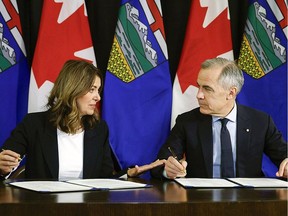
Alberta Premier Danielle Smith has unveiled three potential routes for a proposed bitumen pipeline aimed at transporting oil to the Pacific Coast. This initiative comes as part of a broader strategy to double the province’s oil production. The proposed routes include one that could facilitate oil exports into the lower mainland of British Columbia. The Alberta government is currently working to submit a formal proposal to the federal Major Projects Office by July.
Pipeline Options Under Consideration
In a recent interview, Premier Smith detailed the three pipeline options being explored. One of the most ambitious proposals involves constructing a greenfield pipeline from Alberta to the Port of Prince Rupert, which could handle up to one million barrels of oil per day. This plan aligns with Smith’s vision of significantly increasing Alberta’s oil output over time.
As part of a memorandum of understanding (MOU) signed with the federal government, Alberta aims to present a comprehensive pipeline proposal for federal review. A technical advisory group is currently assessing the feasibility of various routes. Smith noted that while Kitimat, a northern B.C. community previously linked to the now-defunct Northern Gateway pipeline, is not considered optimal, other locations such as Roberts Bank in Delta are under serious consideration.
“We are looking at three different potential ports,” Smith stated, emphasizing the importance of technical specifications as the evaluation process unfolds. The Premier’s comments reflect a commitment to exploring all viable options for the pipeline, which is seen as crucial for Alberta’s economic future.
Navigating Political Challenges and Environmental Concerns
The proposed pipeline has sparked significant debate, particularly regarding its environmental implications and the existing federal tanker ban on the northern B.C. coast. British Columbia Premier David Eby, along with various coastal First Nations, has expressed opposition to the pipeline, advocating instead for the optimization of the existing Trans Mountain pipeline to transport more oil to Burnaby.
Eby has indicated a willingness to discuss new pipeline routes that do not infringe upon the northern tanker ban, suggesting that southern routes could be viable alternatives. Smith has acknowledged the need to consider Roberts Bank but continues to advocate for the Port of Prince Rupert due to its safety and logistical advantages.
The MOU between Alberta and the federal government also includes provisions for Indigenous co-ownership of the pipeline project, highlighting the importance of consultation and collaboration with Indigenous communities. As the technical advisory committee works to finalize route options, public support for new pipeline projects remains strong, with recent polls indicating that a majority of Canadians, including two-thirds of British Columbians, favor the development of a new oil pipeline.
As discussions continue, both provincial and federal governments face the challenge of balancing economic interests with environmental stewardship and community concerns. The outcome of this initiative could significantly impact Alberta’s energy landscape and its relationship with British Columbia.
