
Alumina Exports from Ireland’s Aughinish Plant Fuel Russian Defense Industry
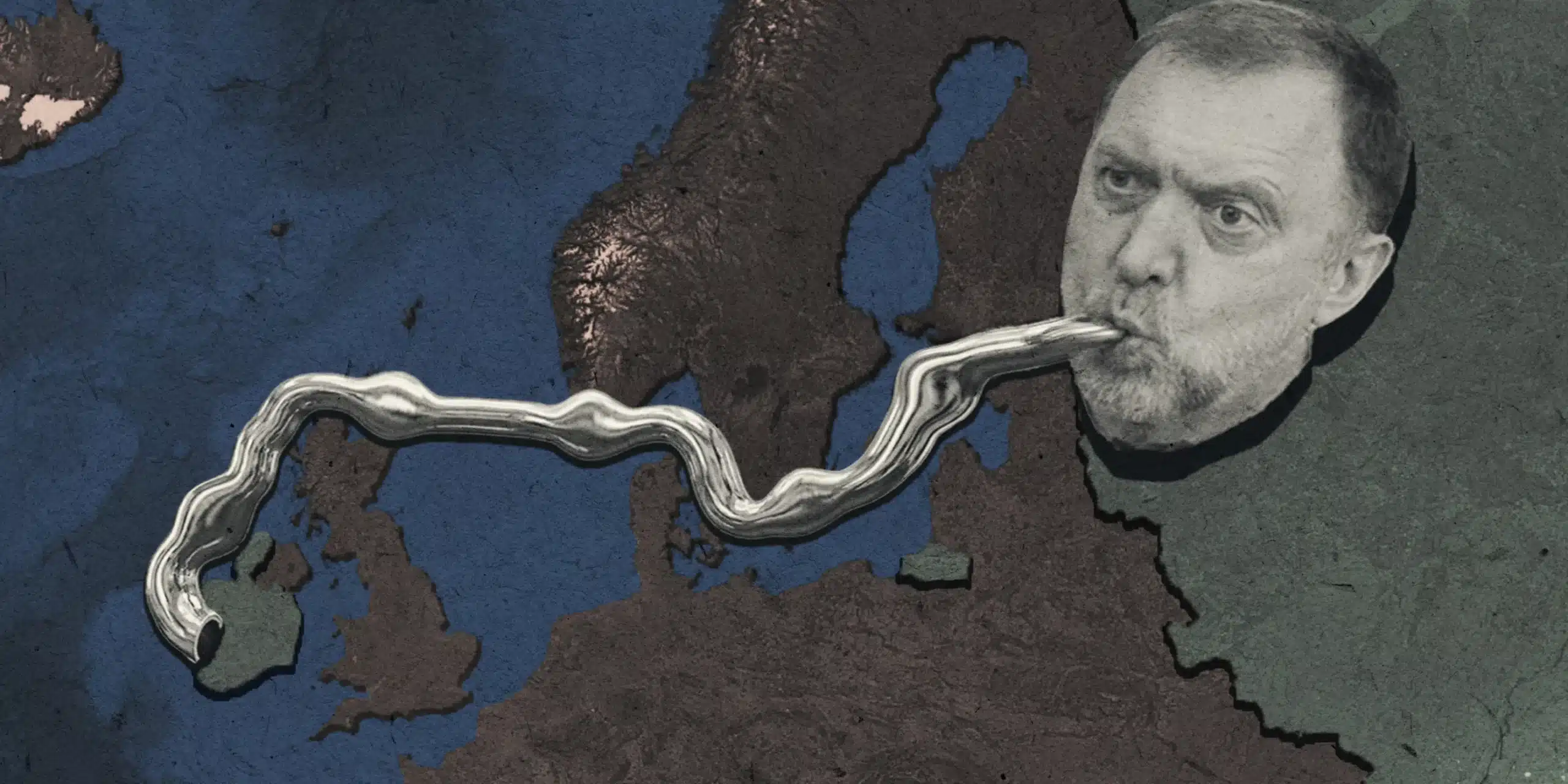
Aughinish Alumina, located on the rugged shores of western Ireland, is Europe’s largest alumina refinery. This industrial complex plays a critical role in transforming bauxite into alumina, the primary raw material for aluminum production. Aluminum is essential for various applications, including military hardware such as missiles and drones. In light of ongoing geopolitical tensions, the European Commission has urged member states to stockpile alumina as a strategic defense measure. However, a recent investigation reveals that a significant portion of Aughinish’s alumina exports is directed to Russian aluminum smelters, which are linked to defense contractors involved in the conflict in Ukraine.
Alumina’s Journey from Ireland to Russia
Despite being situated within the European Union, the majority of alumina produced at Aughinish is exported to Russia. Since 2023, over half of the refinery’s alumina exports have been shipped to smelters owned by United Company Rusal, a Russian conglomerate. These smelters process the alumina into aluminum, which is then sold to traders like Aluminium Sales Company (ASK). Reports indicate that ASK has purchased more than $650 million worth of aluminum from Rusal’s smelters, which is subsequently supplied to various EU-sanctioned Russian defense manufacturers. These companies have been implicated in numerous attacks on civilian targets in Ukraine, including hospitals and residential buildings.
While the exports to Russia are legal under current EU trade regulations, the situation has raised concerns among European officials. The EU has not imposed restrictions on alumina exports, despite recognizing its strategic importance. This loophole allows the Aughinish plant to continue its operations without facing sanctions, even as the conflict in Ukraine escalates.
Rusal’s Role in the Global Aluminum Supply Chain
United Company Rusal is one of the world’s largest aluminum producers, with extensive operations in Russia and beyond. Following Russia’s invasion of Ukraine, the EU sanctioned Rusal’s founder, Oleg Deripaska, due to his ties to the Russian defense sector. However, Rusal itself has remained unaffected by these sanctions, leading to debates within the Irish parliament about the implications of the Aughinish plant’s operations. Critics argue that the plant’s continued exports to Russia undermine EU efforts to support Ukraine.
Trade data indicates that the bauxite processed at Aughinish originates from Rusal-owned mines in Guinea and Brazil. After arriving in Ireland, the bauxite is refined into alumina, which has become increasingly vital for Rusal since the nationalization of one of its Ukrainian refineries. In 2024, nearly half of Aughinish’s alumina production was sent to Rusal’s smelters in Siberia, which accounted for a significant portion of the company’s overall aluminum output.
St. Johns Ship Building delivers second Chartwell-designed CTV to AWT
Concerns Over Export Controls and Military Applications
The EU banned imports of aluminum produced in Russia in February 2025, aiming to cut off funding for the ongoing war. However, alumina exports remain unrestricted, despite calls from various governments to impose a ban. Experts warn that continued supplies of alumina to Russia could undermine NATO’s objectives in supporting Ukraine and deterring further aggression. The lack of transparency in the aluminum supply chain complicates efforts to trace the end-use of the materials, raising concerns about their potential military applications.
In response to inquiries, Aughinish stated that it complies with all EU laws and has implemented measures to ensure sanctions compliance. However, the company did not address specific questions regarding the potential use of its products in Russian weaponry. Meanwhile, Ireland’s Department of Foreign Affairs emphasized that alumina is not a sanctioned good, allowing for its export to Russia.
The ongoing situation highlights the complexities of international trade and the challenges of enforcing sanctions in a globalized economy. As the conflict in Ukraine continues, the implications of these exports remain a critical concern for European policymakers and defense analysts alike.
