
America’s naval disaster
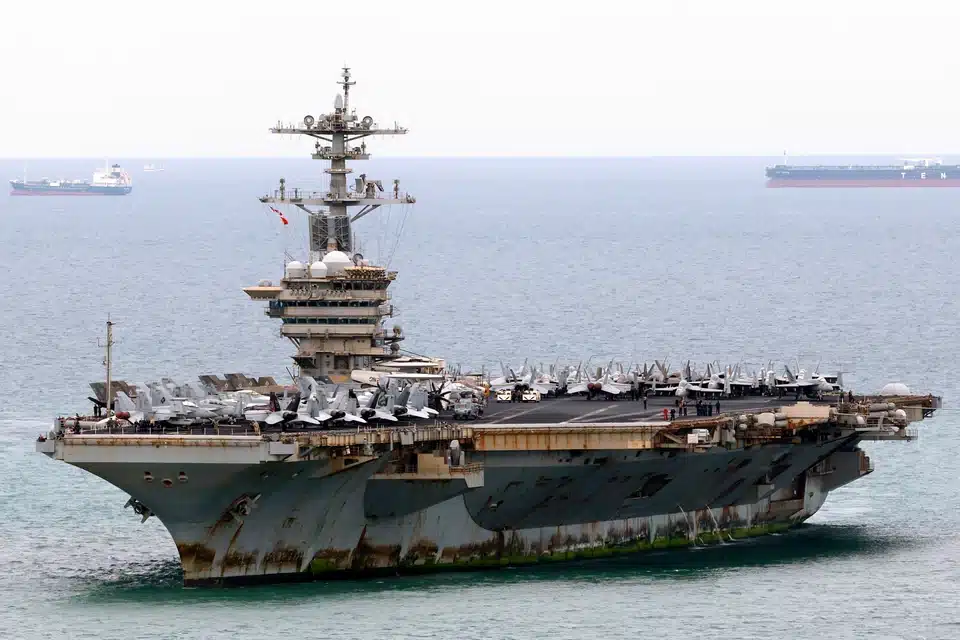
In Washington, DC, the once thriving US shipbuilding industry is facing a steep decline, with its pre-eminence fading since the end of World War II. Despite efforts by the government to revive the industry, American shipbuilding has struggled to compete on a global scale.
Historical Perspective: Rise and Fall
At the conclusion of World War II, the US Navy stood as the largest in the world. However, by 1975, the country’s shipbuilding power had already begun to diminish. Throughout the latter part of the 20th century, American shipbuilding faced significant challenges, leading to a decline in its once dominant position in the industry.
Current Landscape: China’s Ascendancy
While American shipbuilding has faltered, China has emerged as a formidable competitor in the naval industry. In 2015, China’s naval fleet rivaled that of the US, and just five years later, it boasted 350 warships compared to the US Navy’s 293. This marked a significant decrease from the 583 warships the US Navy possessed in 1987.
Conclusion
The decline of US shipbuilding industry highlights the challenges faced by domestic shipyards in competing with foreign counterparts. As China continues to strengthen its naval capabilities, the US must address the obstacles hindering the recovery of its shipbuilding sector. The future of American shipbuilding industry may depend on its ability to adapt and innovate in the face of increasing global competition.
By examining the historical context and current trends, it is evident that the US shipbuilding industry cannot fully recover without addressing the issues that have impeded its growth. As the landscape of naval power continues to evolve, it is crucial for the US to reassess its strategies and policies to remain competitive in the international shipbuilding market.
