
Baltic Sea Faces Rising Tensions Amid Cable Sabotage
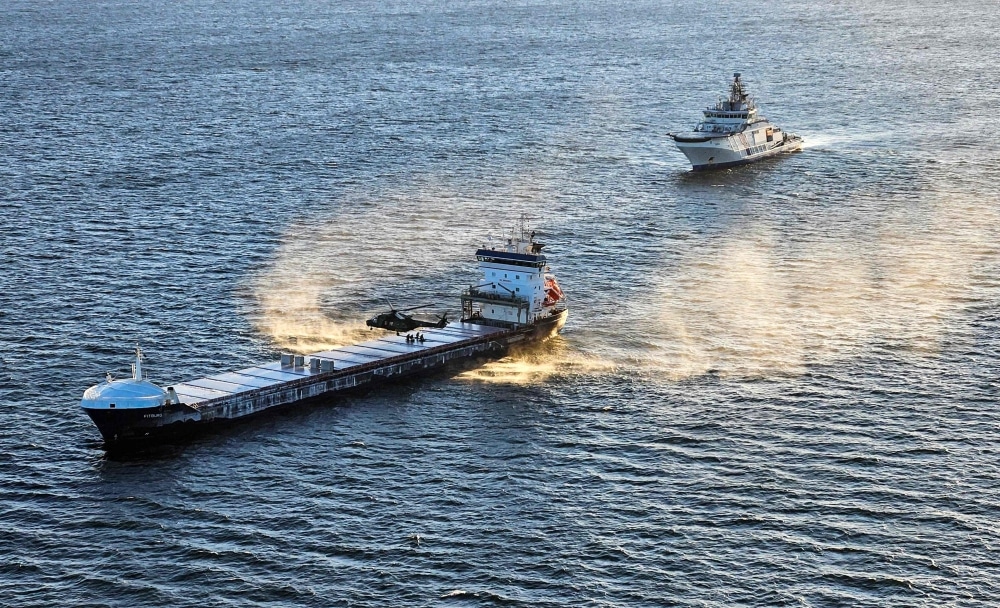
STOCKHOLM, Jan 6 — The Baltic Sea region is on heightened alert following a series of outages affecting power cables, telecom links, and gas pipelines since Russia’s invasion of Ukraine in 2022. In response, NATO has increased its military presence, deploying frigates, aircraft, and naval drones to the area. Investigations have revealed that some incidents were due to sabotage, while others remain under scrutiny or were accidental.
Recent Incidents Raise Security Concerns
On January 2, an undersea telecom cable connecting Sventoji in Lithuania to Liepaja in Latvia was damaged, prompting Latvian police to board a ship docked in Liepaja as part of their investigation. However, by January 5, authorities reported no evidence linking the vessel to the cable damage, which is owned by Sweden’s Arelion. The investigation continues as officials seek to determine the cause of the incident.
Earlier, on December 31, Finnish police seized a cargo vessel, the Fitburg, suspected of damaging another undersea telecom cable belonging to Elisa, which runs from Helsinki to Estonia. The ship’s anchor was found in the water, and tracks indicated it had been dragged along the seabed for several kilometers. The crew, consisting of members from Russia, Georgia, Kazakhstan, and Azerbaijan, faced various legal actions, with one crew member detained and three others barred from leaving while investigations proceed.
Additionally, on December 30, a cable from Estonia to Sweden ceased functioning, coinciding with the damage to the Elisa cable. This series of incidents has raised alarms about the security of critical infrastructure in the Baltic region, leading to increased military vigilance and investigations by multiple countries.
Historical Context of Sabotage and Damage
The Baltic Sea has seen a troubling pattern of incidents affecting both telecom and power infrastructure. In January 2025, a fibre-optic cable connecting Latvia and Sweden malfunctioned, leading to a NATO and police investigation. The Maltese-flagged vessel Vezhen was seized on suspicion of causing the damage, although a Swedish prosecutor later deemed the incident accidental.
In December 2024, the Estlink 2 undersea power cable linking Finland and Estonia was cut, along with four telecom lines. Finnish authorities seized the Eagle S tanker, suspecting it had caused the damage while allegedly being part of a “shadow fleet” evading Russian oil sanctions. However, a Finnish court dismissed the case against the crew due to insufficient evidence.
The situation escalated in October 2023 when the Balticconnector gas pipeline was severed, attributed to the Chinese container vessel NewNew Polar Bear dragging its anchor. This incident coincided with damage to telecom cables connecting Estonia to Finland and Sweden, raising further concerns about maritime security in the region.
As investigations continue, the Baltic Sea remains a focal point of geopolitical tension, with nations on high alert for potential threats to their critical infrastructure.
