
BC Budget Cuts Delay Major Infrastructure Projects
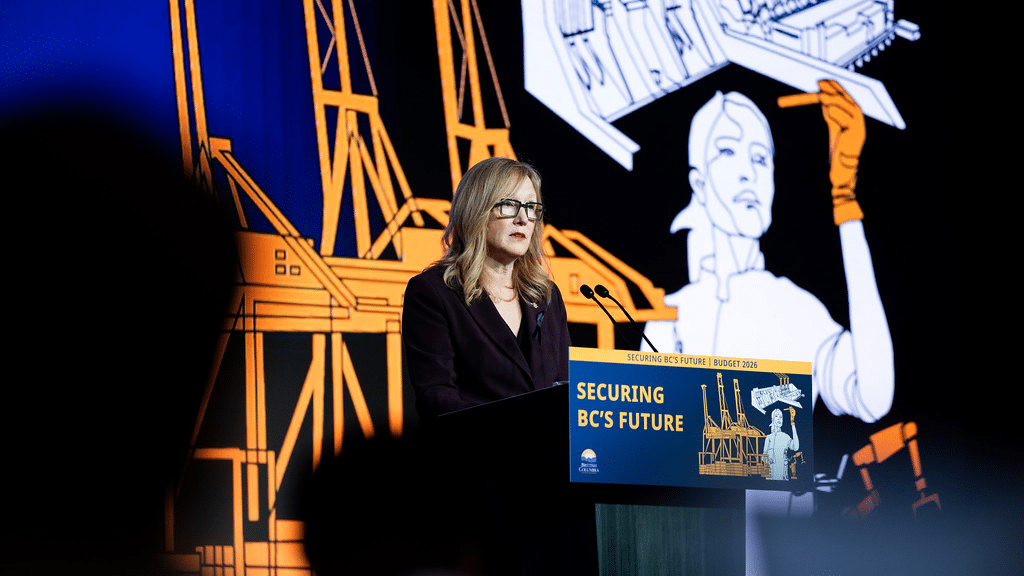
The recent budget announcement by NDP Finance Minister Brenda Bailey has sent shockwaves through British Columbia’s construction sector. The 2026 budget revealed a significant re-pacing of capital expenditures, delaying billions of dollars in critical projects, including the $1.7 billion Burnaby Hospital Redevelopment. With no clear delivery timeline, the construction industry is bracing for a challenging period as the government reallocates funds and implements new taxes.
Major Projects in Limbo
The most notable casualty of the budget cuts is the Burnaby Hospital Redevelopment, which was set to enter its second phase with a projected cost of $1.7 billion. Funding was to come from the province, the Burnaby Hospital Foundation, and the BC Cancer Foundation, with construction originally scheduled from 2025 to 2030. However, the announcement has left the project in a state of uncertainty. Jordan Bateman, vice-president of communications and advocacy for the Independent Contractors and Businesses Association, highlighted that significant procurement efforts were already underway, with contracts worth tens of millions of dollars in the pipeline.
In addition to the hospital project, over $1 billion in promised long-term care facilities are now without a definitive timeline. The government has stated it aims to incorporate lessons learned from ongoing projects and reviews of the long-term care infrastructure program. Facilities affected include those in Abbotsford, Campbell River, Chilliwack, Kelowna, Delta, Fort St. John, and Squamish, all of which were slated for substantial investments. The University of Victoria’s $178 million residence project is also caught in this budgetary freeze.
The budget outlines a $38 billion capital expenditure plan over three fiscal years, but it lacks concrete proposals to revisit the delayed projects. Furthermore, the provincial government is slowing down its housing strategy, reallocating $1.4 billion from it over the next three years, which includes closing the Community Housing Fund indefinitely. This fund was initially intended to support the construction of affordable rental homes, raising concerns about the future of housing in the province.
Impact of New Taxes and Budget Deficits
The construction industry is also facing challenges due to the introduction of a provincial sales tax on professional services, including accounting, architectural, and engineering services. This new tax, effective October 1, is expected to generate an additional $534 million for the province by 2027/2028. The 2026 budget has increased spending by $3.9 billion, resulting in a historic deficit of $13.3 billion, with projections of $12.2 billion and $11.4 billion deficits in the following two years.
Despite these setbacks, the budget does affirm funding for 17 major hospitals and acute-care facilities, as well as transit expansions and school improvements. Notably, the budget supports the construction of Western Canada’s first new medical school in nearly 60 years, the $520 million Simon Fraser University School of Medicine, set to begin construction in late 2026.
Chris Atchison, president of the British Columbia Construction Association, emphasized the importance of avoiding delays on key projects, particularly in healthcare and infrastructure. He welcomed the budget’s focus on skills training, with $283 million allocated over three years to expand trades training programs and enhance apprenticeship opportunities. The BC Building Trades also expressed the need for targeted investments in training providers to maximize the impact of this funding.
