
Brazil Emerges as Key Hub for Transatlantic Drug Smuggling
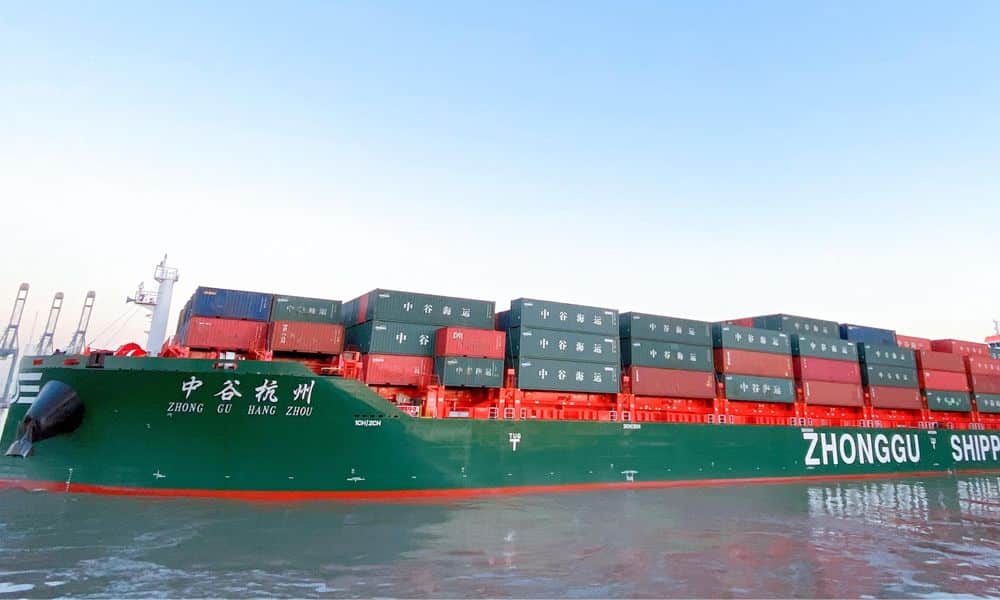
Brazil’s strategic position as a major export hub is increasingly being exploited by transatlantic drug trafficking networks. These groups are utilizing merchant vessels to transport cocaine and other illegal substances to Europe and Asia. Reports from local correspondent Brazmar indicate a significant uptick in smuggling activities originating from Brazil’s northern and northeastern regions in 2024, expanding beyond the traditional southeastern ports known for such illicit operations.
Historically, drug smugglers in southeastern Brazil have concealed narcotics within shipping containers or attached them to the hulls of vessels, often hiding them in sea chests. However, the methods employed in the northern and northeastern areas are evolving. Smugglers are now increasingly targeting larger bulk carriers, hiding drugs either on deck or within void spaces of the ships. This shift in tactics underscores the adaptability of these criminal networks in response to law enforcement efforts.
Local laws impose severe penalties for drug trafficking, with sentences ranging from 5 to 15 years in prison, accompanied by hefty fines. For those involved in interstate or transnational smuggling, sentences can increase by one-sixth to two-thirds. Additional charges, such as criminal association, are often applied, reflecting the serious nature of these offenses.
West Africa: A New Transit Point for Cocaine
Cocaine originating from Latin America is increasingly being routed through West Africa before reaching European markets. This trend has raised concerns among authorities, as drug shipments are now being staged in West African countries. Once the drugs arrive on the continent, they are transported to Europe via a combination of Mediterranean maritime routes and overland smuggling paths leading to North African ports.
In a notable incident reported by correspondent Proinde P&I, three bulk carriers arriving in Nigeria from Brazil’s Port of Santos were discovered to have cocaine concealed within their sugar cargo. This incident, which occurred in late 2025, resulted in the detention of the vessels and arrests of crew members. It highlights a potentially alarming trend where Brazilian sugar exports are being exploited for drug trafficking to West Africa.
Venezuela’s Maritime Landscape Faces Transformation Amid Rising Risks
The Port of Santos, which handles 68% of Brazil’s sugar exports, has become a critical route for traffickers. The intersection of legitimate trade and illicit activities poses significant challenges for law enforcement agencies. As drug smuggling networks continue to adapt their strategies, authorities must remain vigilant to combat this growing threat effectively.
