
Brazil Faces Heavy Rainfall, Impacting Iron Ore Exports
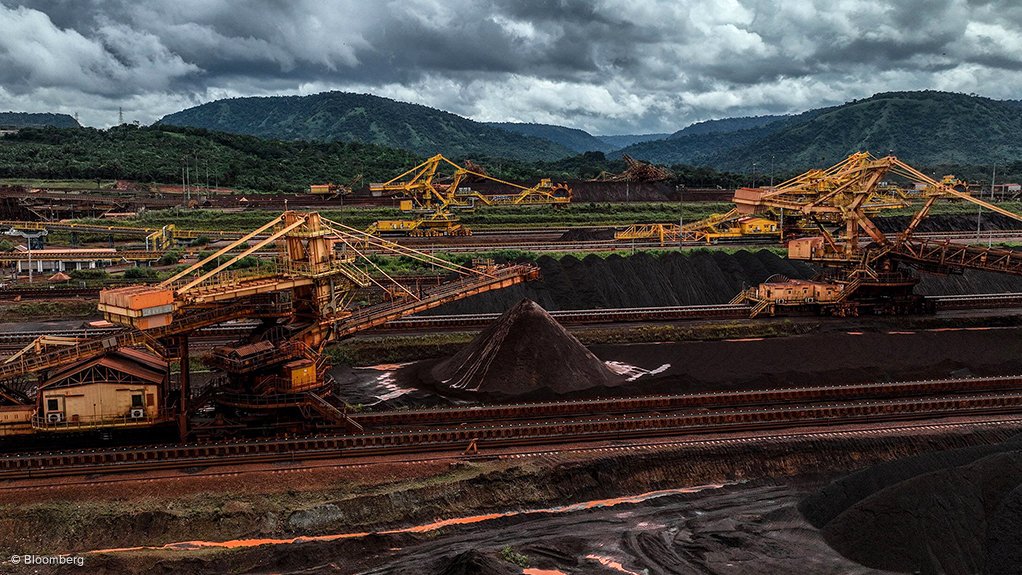
Brazil is currently grappling with unusually heavy summer rainfall, particularly affecting the states of Rio de Janeiro, Espírito Santo, and São Paulo. This weather phenomenon, driven by the South Atlantic Convergence Zone, poses significant risks to the export of Iron Ore Fines, classified as Group A cargo. The increased moisture content in these materials raises concerns about potential cargo noncompliance at major export ports, including Itaguaí, Sudeste, and Tubarão.
The Brazil P&I correspondent, NorthStandard, issued a circular highlighting the implications of this weather on bulk cargoes. Iron Ore Fines and other Group A materials are particularly susceptible to liquefaction, a condition that can lead to catastrophic failures during transport. The circular emphasizes the importance of monitoring cargo conditions closely, especially given the current weather patterns.
Recommendations for Shippers and Operators
To mitigate risks associated with the increased rainfall, shippers and operators are urged to implement several precautionary measures. First, they should closely monitor weather conditions and precipitation levels leading up to and during the loading process. It is crucial to note the date of the last moisture content test and to conduct a new test if significant rainfall has occurred since that date.
Additionally, the Transportable Moisture Limit (TML) certification must be less than six months old at the time of testing. Operators should assess the exposure of ore stockpiles to rain and implement operational measures to minimize moisture absorption. However, access to stockpiles may be restricted for safety reasons, complicating these efforts.
Regular can tests should be conducted to identify any signs of high-risk cargo. Operators should also be vigilant for visible signs of moisture in the cargo, such as spattering on the bulkheads of the hold or slumping and flattening of the cargo itself. These indicators can signal that the cargo is at risk of liquefaction, which remains a leading cause of fatal bulk carrier losses globally.
Low Rhine River Water Level is Taking its Toll in Ship Traffic
Importance of Compliance and Vigilance
The Brazil P&I circular serves as a crucial reminder for all stakeholders involved in the shipping of bulk cargoes. Liquefaction poses serious risks, and adherence to the International Maritime Solid Bulk Cargoes (IMSBC) Code is essential during this period of adverse weather. Independent cargo surveyors are recommended to ensure compliance and safety.
