
Can the Gulf reduce its dependence on Asian shipbuilding?
The disruption in key maritime routes like the Hormuz and Red Sea has sparked concerns over the Gulf’s heavy reliance on shipping for its oil, gas, and petrochemical exports. However, a critical vulnerability further up the supply chain has largely gone unnoticed.
Growing Dependence on East Asian Shipbuilding
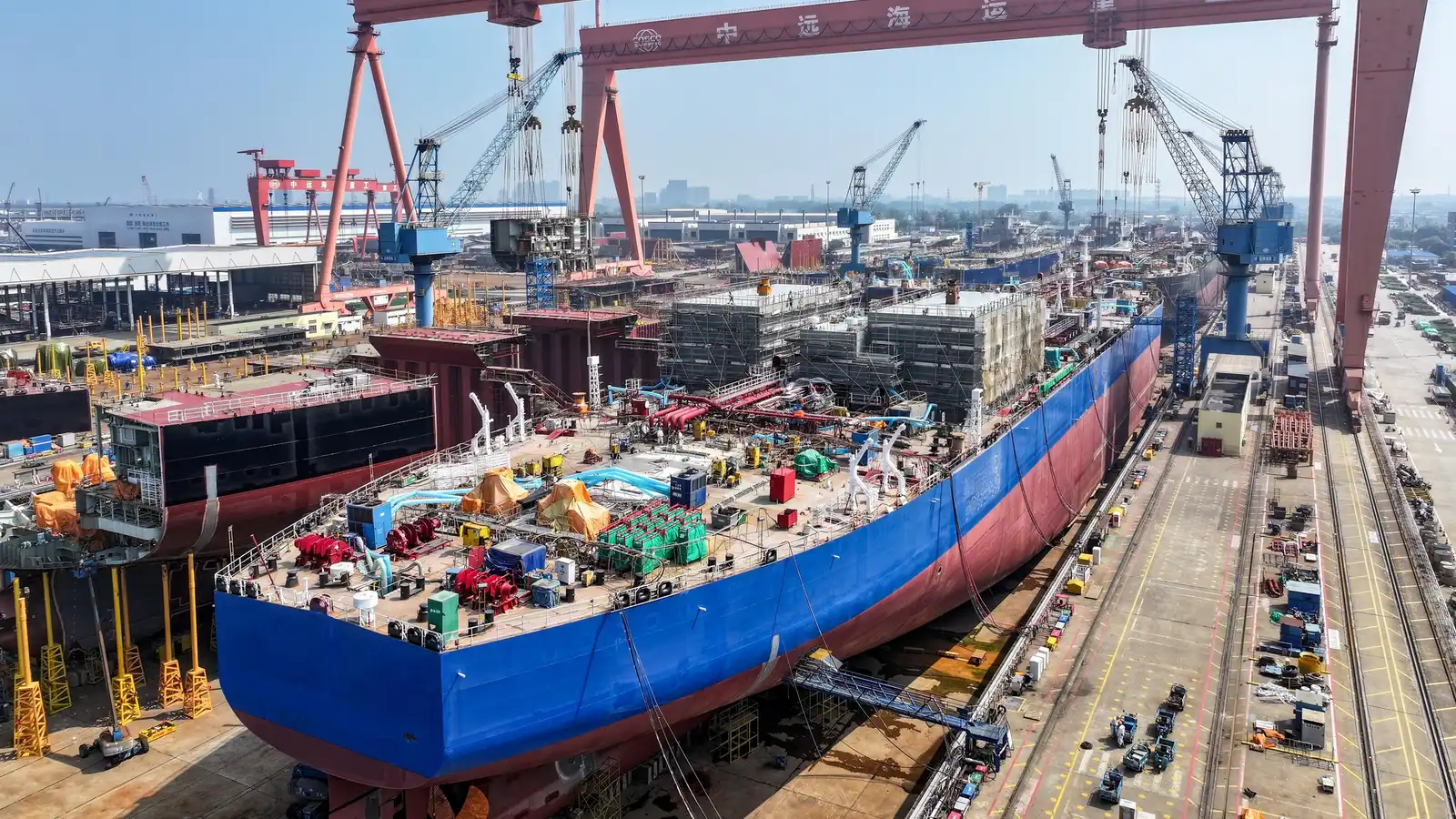
Ships carrying the region’s vital commodities are predominantly constructed in East Asia, with China, South Korea, and Japan accounting for over 95% of global shipbuilding output in 2024. China alone produced nearly 55%, emphasizing the region’s reliance on Asian shipyards.
Seeking Regional Self-Sufficiency
Recognizing this vulnerability, Gulf states like Saudi Arabia have taken steps to reduce dependence on Asian shipbuilding. Establishing entities like International Maritime Industries (IMI) in Ras Al-Khair, Saudi Arabia, aims to develop local shipbuilding capacity and retain spending within the region.
IMI, backed by Aramco and Bahri, boasts the largest maritime facility in the Mena region, capable of constructing large vessels and offshore rigs while also offering repair and maintenance services. This initiative aligns with the Vision 2030 localization drive, focusing on building domestic skills and industrial capacity.
While challenges remain in competing with established Asian shipyards, the strategic positioning of Ras Al-Khair, coupled with guaranteed demand and support from regional entities, presents a promising path towards regional self-sufficiency in shipbuilding.
Cooperation Amidst Competition
Notably, other Gulf states like the UAE and Qatar are also making strides in enhancing their shipbuilding capacities. The formation of national shipbuilders’ consortiums and the coordination of firms indicate a collective effort towards developing complementary capabilities and supporting a larger regional supply chain.
Despite the potential for cooperation, the competitive dynamics in energy markets, particularly in LNG production, may pose challenges to regional collaboration. Balancing shared infrastructure needs against individual market ambitions will be crucial in fostering a sustainable and resilient shipbuilding industry in the Gulf.
As the Gulf navigates the complexities of reducing dependence on Asian shipbuilding and fostering regional self-sufficiency, strategic partnerships, and coordinated efforts will play a pivotal role in shaping the future of the maritime industry in the region.
