
Chaos Unfolds in African Football Governance
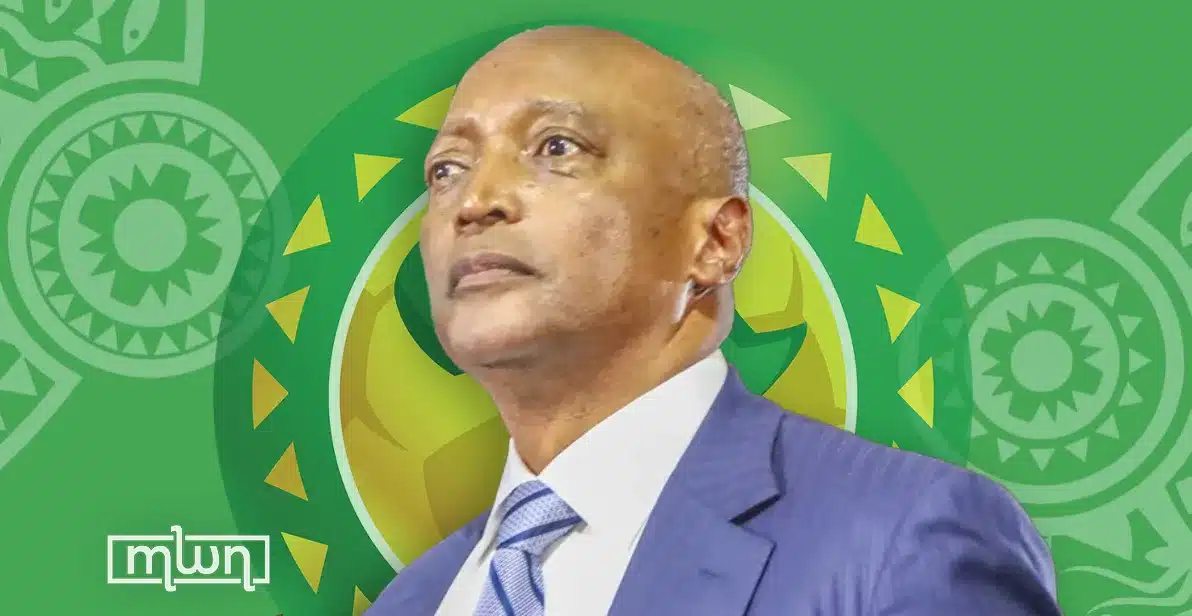
Dar Es Salaam, February 13, 2026 – African football is facing a crisis as governance issues threaten to derail the sport across the continent. The recent CAF Comex meeting highlighted deep divisions and a lack of leadership, with key figures like Fouzi Lekjaa, President of the Royal Moroccan Football Federation, opting to boycott the event. This absence signals a growing distrust in the institution’s ability to govern effectively, as allegations of refereeing scandals and political maneuvering come to light.
Political Boycott Signals Deepening Crisis
The recent Comex meeting of the Confederation of African Football (CAF) was marked by notable absences, particularly that of Fouzi Lekjaa. His decision to skip the meeting was not a mere scheduling conflict; it was a calculated political boycott. Lekjaa’s empty seat served as a powerful statement against the current trajectory of CAF, which many perceive as increasingly detached from its own regulations. His absence underscores a significant rift within the organization, as he openly expressed distrust in the leadership’s direction.
This political schism is indicative of broader issues within African football governance. The lack of unity and cooperation among key stakeholders raises concerns about the future of the sport. As the institution grapples with its identity and purpose, the absence of strong leadership only exacerbates the situation. The message is clear: African football cannot thrive under a regime that disregards its own statutes and principles.
Refereeing Scandal Exposed Amid Governance Failures
In a shocking revelation, Olivier Safari, head of the Refereeing Commission, has brought to light serious allegations regarding officiating during the AFCON final. Reports indicate that referee Jean-Jacques Ndala received explicit instructions to overlook misconduct during the match, raising questions about the integrity of officiating in African football. This scandal has transformed what was once mere speculation into a confirmed crisis, highlighting the extent to which political considerations have compromised the rule of law within the sport.
Albany Marine Corps Logistics Base welcomes base patrons and family to flag
The implications of this scandal are profound. It reflects a troubling trend where the principles of fair play and integrity are sacrificed for political expediency. The revelations from Safari reveal a culture of complicity that undermines the very foundation of the sport. As the governing body struggles to maintain credibility, the integrity of African football hangs in the balance, with fans and players alike demanding accountability and transparency.
As the situation unfolds, the future of African football governance remains uncertain. The combination of political boycotts, refereeing scandals, and a lack of cohesive leadership paints a grim picture for the sport’s future on the continent. With fans growing increasingly disillusioned, the need for reform and genuine leadership has never been more urgent.
