
China’s Bauxite Imports Hit Record Highs
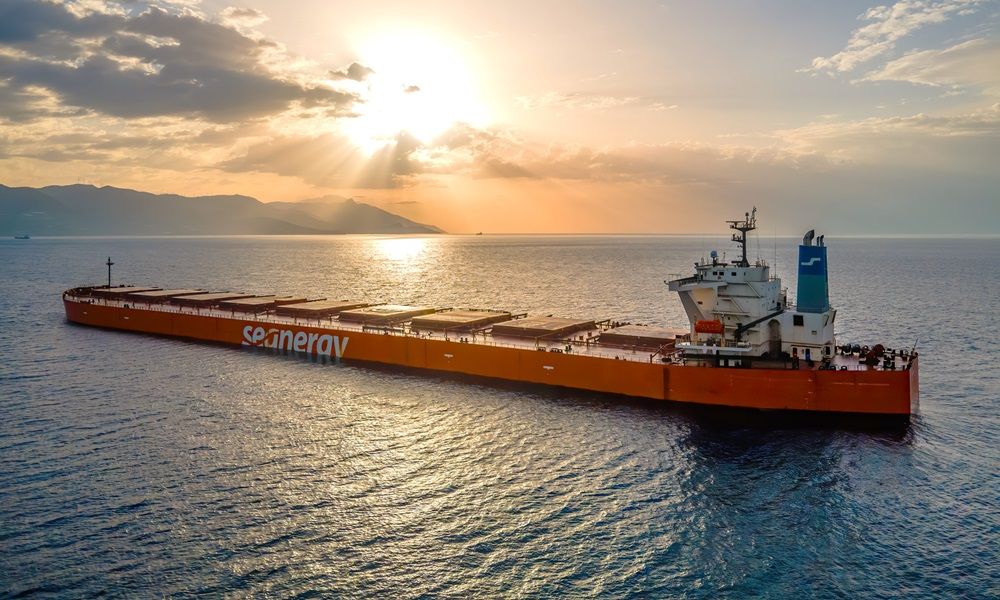
China has achieved a remarkable milestone in its bauxite imports, solidifying the aluminium raw material’s status as a key player in the dry bulk market. In 2025, bauxite discharges at Chinese ports soared to approximately 213 million tonnes, marking a 25% increase from the previous year. This surge represents the fourth consecutive annual record since 2022, highlighting the growing demand for aluminium and its impact on global shipping dynamics.
Global Bauxite Demand and Shipping Trends
The rise in Chinese bauxite imports has significantly influenced global market trends. In 2025, worldwide bauxite discharges reached an estimated 241.4 million tonnes, reflecting a 21% year-on-year increase. This growth has elevated bauxite’s share of global dry bulk tonne-mile demand to nearly 9%, up from 7% the previous year and a mere 2% a decade ago. Notably, China accounted for about 88% of all ocean-traded bauxite last year, the highest proportion in at least ten years.
Data from Signal Ocean corroborates this trend, revealing an 18% increase in seaborne bauxite flows, totaling around 257 million tonnes. China’s share of total imports rose from 83% to 85%, underscoring its dominance in the bauxite market. The supply of bauxite remains heavily concentrated in West Africa, with Guinea alone responsible for approximately 72% of global discharges in 2025. The majority of China’s imports originated from Guinea, with shipments primarily loading at Kamsar and Boffa. The lengthy voyages from Kamsar to Qingdao, spanning over 11,400 nautical miles, have contributed to elevated tonne-mile demand, favoring larger vessels in the shipping industry.
This shift in demand has positively impacted fleet utilization rates. According to Ursa Shipbrokers, Newcastlemax vessels transported about 36% of global bauxite discharges in 2025, followed by capesize ships at 28% and post-panamax tonnage at 16%. Together, these three segments accounted for a substantial 80% of the bauxite trade.
Aluminium Production and Future Outlook
Behind the impressive shipping statistics lies a robust aluminium sector. China’s primary aluminium production reached record levels in 2025, with an estimated output of 40.4 million tonnes from January to November, as reported by the International Aluminium Institute. The tight supply of copper and rising prices have accelerated the substitution of aluminium, maintaining strong smelter utilization rates.
Strong Chinese demand drives 7% y/y increase in minor ore exports
Looking ahead, Signal Ocean anticipates that these dynamics will persist into early 2026. High energy costs in Europe and the United States have constrained aluminium supply elsewhere, further solidifying China’s dependence on imported bauxite and supporting continued strong flows in the first quarter of the upcoming year.
In the broader dry bulk market, bauxite stands out as a bright spot. While iron ore and coal face a softer outlook that may impact capesize demand, bauxite is expected to outperform in the near term. However, analysts caution that Guinea’s plans to expand domestic processing could pose a risk to seaborne volumes in the long run, though any significant effects are unlikely to materialize before the latter part of the decade.
