
Chittagong Port Faces Severe Disruption Amid Ongoing Strikes
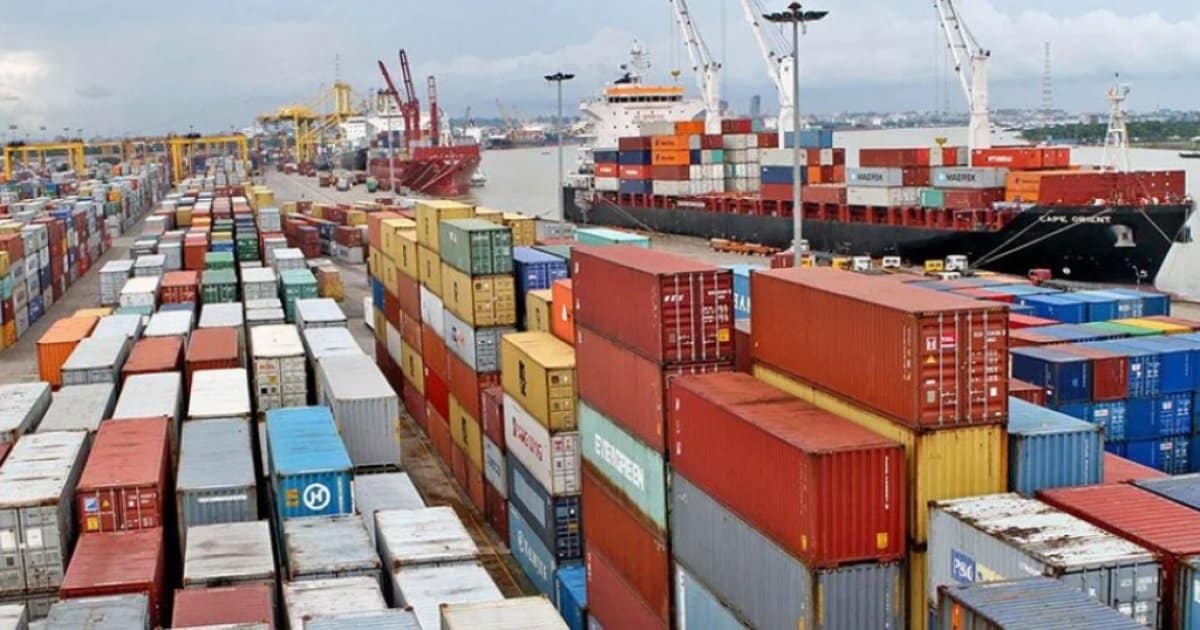
Chittagong Port, the primary trade gateway for Bangladesh, is currently experiencing significant operational disruptions. Handling approximately 92% of the nation’s trade, the port’s stalled operations are impacting factories, export orders, foreign exchange earnings, and consumers alike. Although limited operations resumed after a six-day strike, normalcy remains elusive. Protests and administrative actions have exacerbated the situation, leading to mounting container congestion and growing discontent among port workers.
The crisis originated on January 31, when the decision to lease the New Mooring Container Terminal (NCT) to Dubai-based operator DP World sparked unrest. Workers claimed the decision was made without adequate consultation, and tensions escalated when several employees were transferred without dialogue. This led to an eight-hour daily work stoppage that evolved into an indefinite strike, halting vessel movement at the port—a historic first.
Despite a temporary suspension of the strike, operations have struggled to resume due to tidal schedules and nighttime navigation restrictions. Ships stranded at jetties were only able to be moved during high tide, and vessels waiting offshore have begun to be berthed. However, truck queues at terminal gates highlight the ongoing backlog.
Container Congestion and Shipping Delays Intensify
Port authorities report that over 38,000 Twenty-foot Equivalent Units (TEUs) are currently stacked in the yards, with more than 29,000 full container load (FCL) units directly tied to import-export trade. The export situation is particularly dire, with around 1,000 TEUs of export containers trapped inside the port. Additionally, private inland container depots are holding between 13,000 and 14,000 export containers, while another 1,500 are at private depots and 1,750 are awaiting transfer to the Kamalapur Inland Container Depot. Although fresh export cargo continues to arrive, the unresolved backlogs are straining the port’s capacity.
The outer anchorage has become a visible indicator of the port’s paralysis, with over 50 container ships and more than 100 bulk carriers waiting to dock. Daily arrivals complicate berth scheduling, and shipping sources estimate demurrage costs of $15,000 to $20,000 per vessel per day, leading to cumulative losses amounting to hundreds of crores of taka. The readymade garments sector is facing the most severe consequences, with several feeder vessels departing without scheduled export containers, disrupting shipments to key markets in Europe and the United States. Industry experts warn that clearing the backlog of over 14,000 export containers could take two to two-and-a-half months, jeopardizing Bangladesh’s trade credibility and buyer confidence.
Business Concerns and Government Response
Importers and exporters, particularly in the apparel sector, are urgently calling for intervention from the Ministry of Shipping to restore normal operations. The Acting President of the Bangladesh Garment Manufacturers and Exporters Association, Selim Rahman, emphasized that disruptions at Chittagong Port directly undermine supply chains and export flows. The association has warned that failure to meet lead times could result in immediate financial losses and jeopardize future orders, adversely affecting export growth and foreign currency earnings.
The Dhaka Chamber of Commerce and Industry has noted that approximately 54,000 containers are stranded, with businesses incurring additional costs of Tk 10,000 to Tk 15,000 per container daily. With the port typically handling around 9,000 TEUs per day, prolonged disruptions could lead to order cancellations, cargo diversions to competing countries, and price hikes in the domestic market. Ten leading business associations have described the port as the “heartbeat” of the economy, warning that even a single day of paralysis can result in massive losses.
In an effort to address the crisis, the port authority has reached out to the Anti-Corruption Commission to investigate 15 employees linked to the protests and has requested travel bans. This move has heightened tensions, with the Chittagong Port Protection Council viewing it as a setback to reconciliation. They have announced an indefinite strike starting Sunday, which will extend to outer anchorage operations, demanding the cancellation of the NCT lease to DP World and the reinstatement of transferred employees. As the situation unfolds, analysts suggest that this standoff has evolved beyond a labor dispute, posing a significant test for Bangladesh’s export capacity and international commercial reputation.
