
CMA CGM Reroutes Ships Amid Rising Middle East Tensions
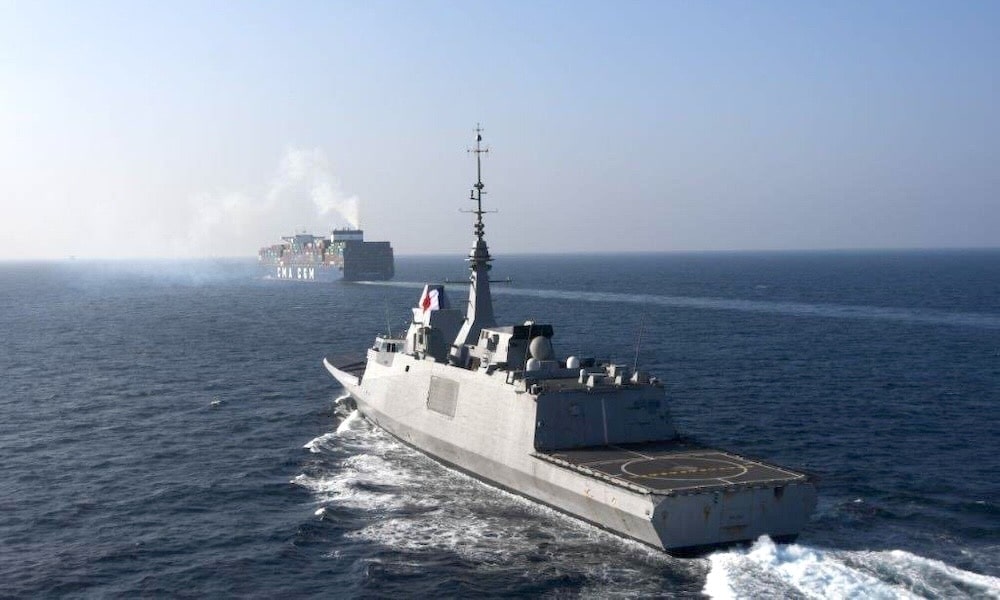
CMA CGM, the world’s third-largest shipping line, has defied predictions of a mass return to the Suez Canal by announcing significant changes to its service routes. Citing a “complex and uncertain international context,” the French carrier revealed that three of its key services—FAL 1, FAL 3, and MEX—will now divert back to the longer, more traditional route around the Cape of Good Hope. This decision has raised questions about the future of shipping routes in light of escalating tensions in the Middle East.
Growing Maritime Tensions Prompt Route Changes
The announcement from CMA CGM comes at a time when geopolitical tensions in the Middle East are intensifying. Recent weeks have seen heightened rhetoric between the U.S. and Iran, with both nations adopting more aggressive postures. Iran has indicated that any U.S. military action could lead to targeted attacks on commercial shipping, further complicating the already precarious situation in the region. Iran’s support for the Houthis, who have been involved in recent conflicts affecting maritime traffic, adds another layer of risk for shipping companies considering routes through the Red Sea.
Last week, Danish shipping giant Maersk made headlines by taking its first structural step back into the Red Sea, rerouting its MECL service to connect the Middle East and India with the U.S. East Coast. This move was seen as a potential turning point, suggesting a broader return to traditional shipping routes between Asia and Europe. However, CMA CGM’s recent announcement has cast doubt on this optimistic outlook, signaling that the risks associated with the region remain a significant concern for major shipping lines.
Philip Damas, managing director of the shipping consultancy Drewry, emphasized the importance of the Suez Canal in global shipping dynamics. He noted that the decision to return to the Suez route is a crucial factor influencing capacity, freight rates, transit times, and fuel consumption this year. As the situation continues to unfold, shipping companies will need to carefully weigh the risks and benefits of their routing decisions in an increasingly volatile international environment.
