
Colombo Dockyard Drives Maritime Innovation in Sri Lanka
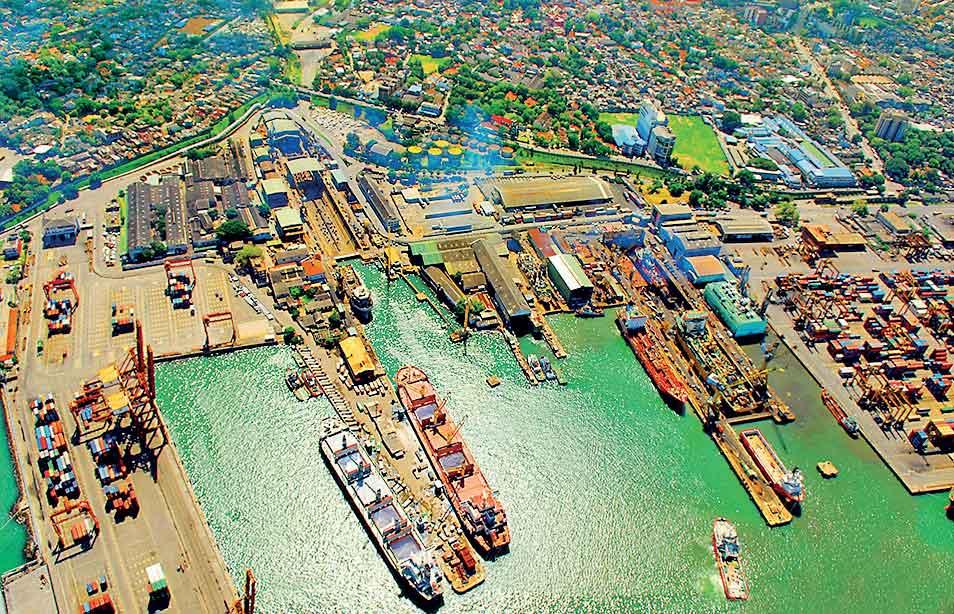
Colombo Dockyard PLC (CDPLC), a prominent player in Sri Lanka’s heavy engineering and shipbuilding sector, is reshaping the regional maritime landscape through its Strategic Growth and Innovation Programme (SGIP). With over 50 years of experience, the dockyard is expanding its reach beyond traditional ship repair and construction, focusing on specialized marine infrastructure projects that enhance its international presence, particularly in the Maldives.
Strategic Shift Towards Underwater Engineering
Historically recognized for its shipbuilding and repair capabilities, CDPLC is now making significant strides in high-value marine infrastructure. The SGIP has propelled the dockyard into the challenging realm of underwater structures, a sector that demands advanced technical expertise and substantial investment, yet remains largely untapped in South Asia. This strategic pivot not only diversifies CDPLC’s revenue streams but also bolsters Sri Lanka’s standing in the field of advanced marine engineering.
A milestone achievement for the dockyard came in 2018 with the completion of an underwater restaurant for the “You and Me” resort in the Maldives. This project showcased CDPLC’s ability to construct intricate, customized structures while adhering to strict environmental and safety regulations. Following this success, the dockyard delivered a 50-seat underwater restaurant for the OBLU Resort in Ailafushi in 2022, marking it as the largest of its kind in the Maldives at that time.
In 2025, CDPLC further solidified its leadership in the sector by completing two additional underwater structures, including galleries and restaurants for luxury resorts in the Maldives. Notably, the “Bubble Underwater Restaurant,” a 12-seater venue, opened in December 2025, contributing to the Maldives’ expanding luxury tourism infrastructure.
Economic Impact and Challenges Ahead
The economic ramifications of CDPLC’s expansion into underwater construction are substantial. These export-oriented engineering projects not only generate foreign exchange but also create high-skilled employment opportunities, reducing Sri Lanka’s dependence on traditional maritime services. Additionally, they foster backward linkages across various sectors, including steel fabrication, logistics, design engineering, and marine installation services.
However, the ambitious SGIP-driven expansion comes with its own set of challenges. Large-scale international projects require significant upfront capital, lengthy timelines, and exposure to fluctuations in foreign markets. Any delays or cost overruns could jeopardize the dockyard’s financial stability, particularly given its public-sector ownership structure.
Despite these risks, CDPLC’s foray into underwater construction underscores a broader industrial opportunity for Sri Lanka: advancing up the maritime value chain. If managed effectively, the diversification efforts led by SGIP could catalyze long-term industrial growth, enhance technological capabilities, and improve regional competitiveness within the global maritime economy.
