
Concerns Rise Over Port Everglades Expansion’s Impact on Coral Reefs
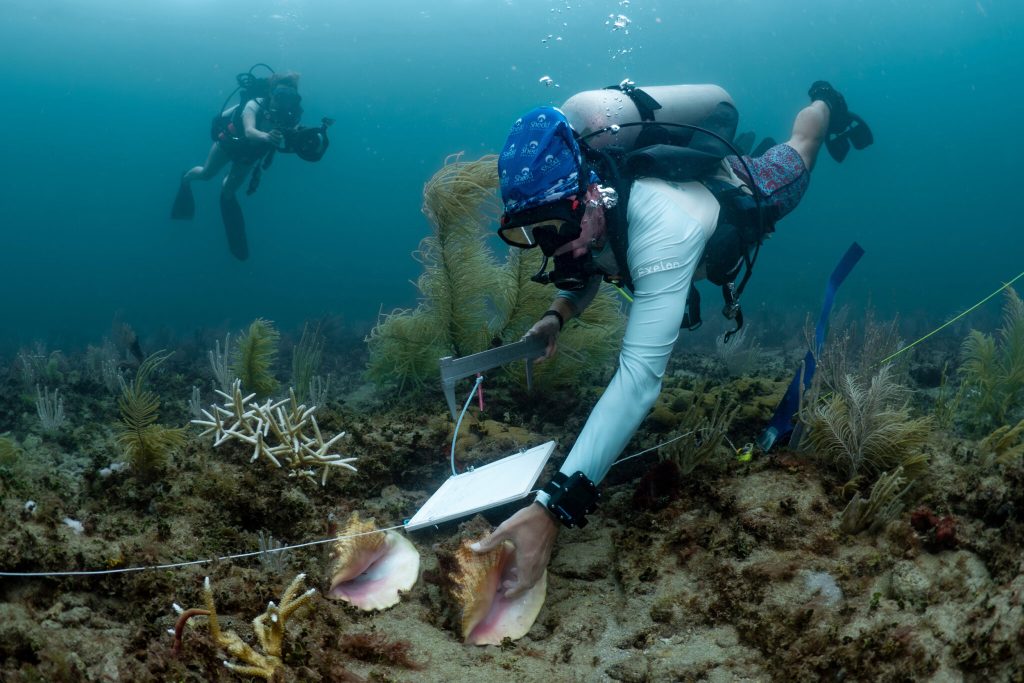
Scientists are sounding alarms regarding the proposed expansion of Port Everglades, warning that it could inflict severe damage on coral populations, including endangered staghorn corals. This expansion, part of the Port Everglades Navigation Improvements Project led by the U.S. Army Corps of Engineers, aims to deepen and widen shipping channels to accommodate larger cargo vessels. However, the project threatens a thriving ecosystem that has managed to survive despite the challenges posed by climate change, disease, and coastal development.
Recent research conducted by the National Oceanic and Atmospheric Administration (NOAA) and the Shedd Aquarium revealed that approximately 10 million corals are flourishing in and around the port’s main channel. This area, located in Fort Lauderdale, has become one of the last bastions for staghorn corals in the continental United States. These corals play a crucial role in building reef habitats and protecting coastlines from storm surges. Ross Cunning, a research biologist at the Shedd Aquarium, emphasized the importance of protecting these corals, stating, “There are still a lot of corals out there, and they need to be protected.”
The urgency of this situation is underscored by the recent marine heat wave that devastated coral populations across Florida, particularly in the Florida Keys and Dry Tortugas. During this event, ocean temperatures soared above 85 degrees Fahrenheit for over 40 consecutive days, leading to widespread coral bleaching and mortality. In stark contrast, the corals near Port Everglades have shown resilience, with some populations even increasing in size over the past decade.
Potential Environmental Consequences of Dredging
If the Port Everglades expansion proceeds, scientists and conservationists warn that it could lead to unprecedented damage to coral reefs. Andy Strelcheck, NOAA Fisheries’ Southeast regional administrator, stated that the project would result in “the largest impact to coral reefs permitted in U.S. history.” The Army Corps of Engineers argues that the expansion is necessary to meet the growing demands of Florida’s population and energy needs, as Port Everglades is a critical supplier of petroleum for South Florida.
However, the potential environmental risks are significant. The dredging process involves heavy machinery that will disturb the seafloor, creating sediment clouds that can smother corals and trigger diseases. The Corps has acknowledged these risks, noting that the project could impact corals both directly and indirectly through increased turbidity and sedimentation.
In addition to corals, other vulnerable marine species, such as the mountainous star coral and the queen conch, may also be at risk. Rachel Silverstein, a marine biologist and CEO of Miami Waterkeeper, highlighted the sensitivity of these species to sedimentation, stating that they could be even more adversely affected than corals.
The expansion project has faced legal challenges from conservation groups, including a lawsuit filed in 2016 that sought to halt the dredging until the Army Corps could demonstrate that it would not harm endangered species or critical coral habitats. While the lawsuit has been temporarily paused for further environmental studies, concerns about the project’s potential impacts on marine life remain high.
Celebrating a Decade of Marine Conservation: The Natural Park of the Coral Sea
As the Army Corps prepares for the project, scientists are advocating for proactive measures to protect the coral populations. They emphasize the need for careful planning and mitigation efforts, including relocating corals before dredging begins. However, experts caution that relocation does not guarantee survival, and the time to act is now to prevent further loss of these vital marine ecosystems.
