
Congressman’s Careless Words Cost Submariners Lives
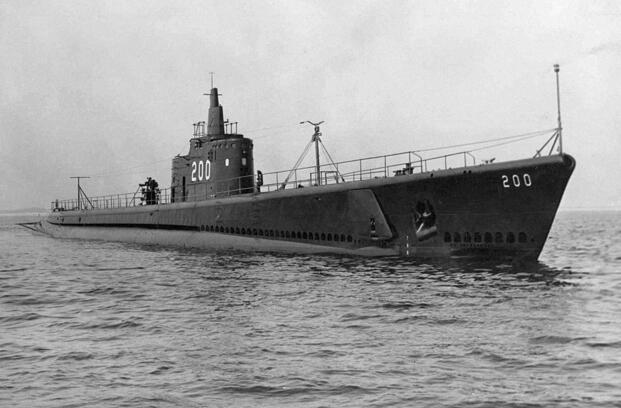
In a troubling chapter of World War II history, a careless statement by Congressman Andrew J. May may have led to increased losses among American submarines in the Pacific. May, who served as chairman of the House Military Affairs Committee, revealed sensitive information about Japanese anti-submarine tactics during a press conference in 1943. This disclosure potentially compromised the safety of U.S. submariners, who had previously benefited from a critical tactical advantage. The fallout from this incident, known as the May Incident, raises questions about operational security and the consequences of revealing classified information.
A Flaw in Japan’s ASW Tactics
During the early years of the Pacific War, American submarines enjoyed a significant advantage over Japanese anti-submarine warfare (ASW) tactics. The Imperial Japanese Navy had calibrated its depth charges based on older American submarines, which could only dive to around 200 feet. However, the newer Balao-class submarines could reach depths of 400 feet. As a result, when Japanese forces dropped depth charges, they often detonated well above the American submarines, allowing them to evade destruction.
This tactical oversight was compounded by Japanese commanders who prematurely claimed victories based on superficial evidence, such as floating debris. The U.S. Navy maintained strict secrecy regarding the operational capabilities of its submarines, ensuring that no information about their depth capabilities was publicly available. This secrecy was crucial; once the Japanese learned the true depth limits of American submarines, the advantage would be lost.
In February 1943, Vice Adm. Charles A. Lockwood took command of the Pacific submarine fleet and sought to replace cautious commanders with more aggressive leaders. He also campaigned against the Navy’s Bureau of Ordnance over defective torpedoes, demanding improvements to ensure the effectiveness of American submarines. Lockwood’s leadership was pivotal in maintaining the operational effectiveness of the submarine fleet during a critical phase of the war.
The May Incident
Andrew J. May, a Kentucky Congressman, had a long history of supporting military legislation. By 1943, he was deeply involved in military affairs, having played a key role in the Peacetime Selective Service Act and other significant legislation. In June of that year, during a tour of military installations in the Pacific, May received classified briefings on submarine operations. In an effort to reassure the public about the safety of American submariners, he disclosed sensitive information during a press conference, stating that Japanese depth charges were set too shallow to pose a significant threat.
This statement was widely reported in the press, including in Hawaii, where Japanese intelligence was active. The implications of May’s comments were immediate and severe. Following the press conference, American submarine losses began to rise sharply. Although there is no direct evidence linking May’s disclosure to specific submarine losses, the timing suggests a troubling correlation.
In the months following the incident, the Japanese adjusted their tactics, resetting their depth charges to detonate at greater depths. Lockwood later estimated that this change in Japanese tactics resulted in the loss of ten submarines and approximately 800 officers and crew members. The U.S. Navy ultimately lost 52 submarines during the war, with a casualty rate of nearly 22 percent, the highest of any military branch.
Updated suite of IG-recommended Letter of Indemnity wordings
