
Congressman’s Slip Leads to Submarine Tragedy
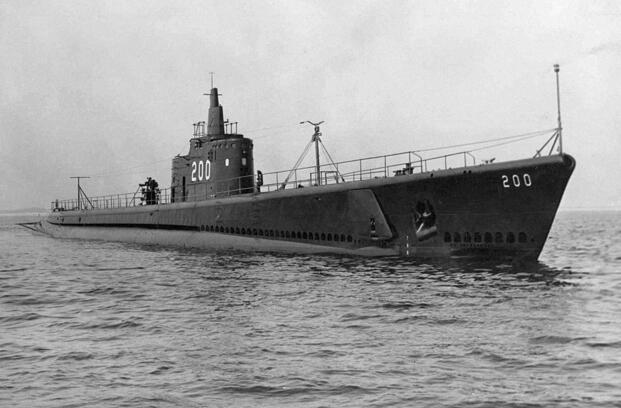
In a shocking turn of events during World War II, a careless statement by Congressman Andrew J. May may have directly contributed to the increased loss of American submarines in the Pacific. May’s disclosure about Japanese anti-submarine tactics, made during a press conference in 1943, inadvertently revealed critical information that the Japanese forces quickly exploited. This incident, known as the May Incident, highlights the grave consequences of operational security breaches during wartime.
A Flaw in Japan’s ASW Tactics
During the early years of the Pacific War, American submarines enjoyed a significant advantage over Japanese anti-submarine warfare (ASW) tactics. The Imperial Japanese Navy had calibrated its depth charges based on outdated intelligence regarding American submarines, specifically the older S-class models, which had a maximum operational depth of around 200 feet. In contrast, the newer Balao-class submarines could dive to depths of 400 feet. This discrepancy allowed American submarines to evade many depth charge attacks by diving deeper than the charges could reach.
For a time, American submariners capitalized on this tactical oversight. However, the situation changed dramatically following Congressman May’s press conference in June 1943. May, who had access to classified information due to his role as chairman of the House Military Affairs Committee, publicly stated that Japanese depth charges were set too shallow, allowing American submarines to survive. This revelation was quickly disseminated through the press, reaching Japanese intelligence and prompting them to adjust their tactics.
As a result, Japanese forces recalibrated their depth charges to detonate at greater depths, significantly increasing the danger for American submarines. Vice Admiral Charles A. Lockwood, who commanded the Pacific submarine fleet, later estimated that this indiscretion cost the lives of numerous submariners and led to the loss of several submarines.
The Consequences of the May Incident
The aftermath of May’s statement was dire. In the months following the press conference, American submarines faced unprecedented losses. One of the most notable tragedies was the sinking of the USS Wahoo, commanded by Lieutenant Commander Dudley W. “Mush” Morton. The Wahoo, known for its successful patrols, was lost in October 1943 after being targeted by Japanese anti-submarine aircraft and depth charges.
While there is no documented evidence directly linking May’s disclosure to the loss of specific submarines, the timing of these tragedies raised serious concerns. Lockwood believed that May’s comments had a direct impact on the increased losses, stating that the change in Japanese tactics could be traced back to the information revealed during the press conference.
Despite the gravity of the situation, May faced no immediate repercussions for his actions. He continued to serve in Congress until a separate scandal involving defense contracts led to his conviction on bribery charges in 1947. He was later pardoned by President Harry Truman in 1952.
The May Incident serves as a cautionary tale about the importance of operational security and the potential consequences of careless communication during wartime. While the exact impact of May’s statement remains a subject of debate, it undoubtedly exposed vulnerabilities in American military operations and highlighted the need for stringent measures to protect sensitive information.
