
Crackdown on False-Flag Tankers Intensifies
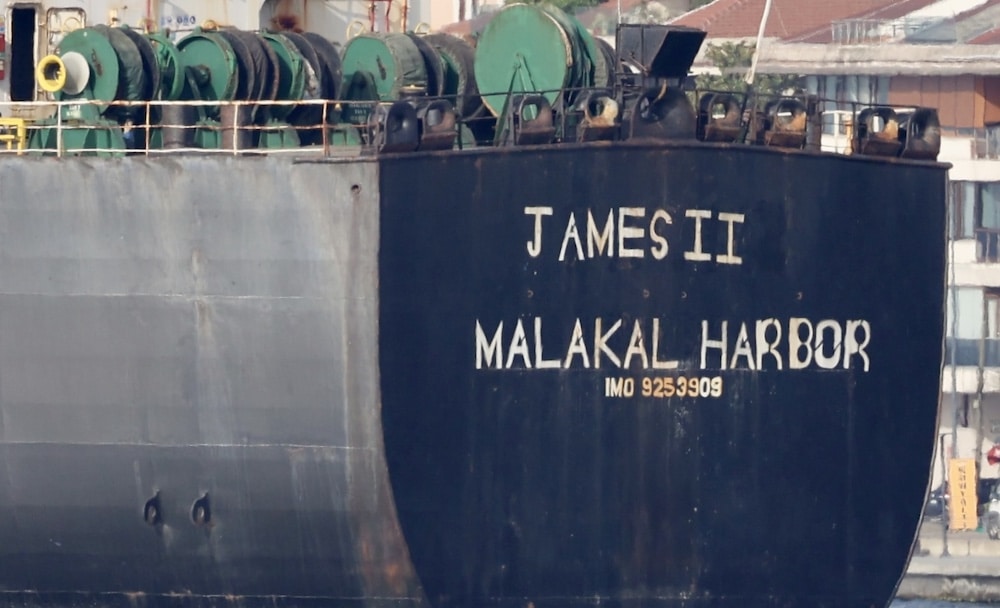
Recent data from Israeli maritime analysts at Windward reveals that nearly 300 tankers are currently operating under false flags, despite increased efforts to combat this illegal practice. As of late 2025, approximately 285 tankers engaged in international trade were found broadcasting from fraudulent or unknown registries, with a staggering 91% of these vessels already under sanctions from Western authorities.
Widespread Use of Fraudulent Registries
Windward has identified 18 fraudulent registries, which are primarily exploited by tankers to evade regulations. The most prevalent among these are the flags of Guinea, with 51 ships, followed by the Netherlands Antilles (45 ships), Guyana (44 ships), and Aruba (24 ships). The use of false flags undermines the established commercial and legal frameworks essential for the global shipping industry. Windward noted, “False flags weaken the commercial and legal infrastructure that global shipping depends on to function predictably.”
In response to the rising number of shadow vessels, Western nations have ramped up enforcement actions. The U.S. has detained seven tankers associated with Venezuelan trade activities in the past seven weeks. Additionally, French authorities recently boarded a Russian aframax tanker displaying a false flag in the western Mediterranean. This heightened scrutiny reflects a broader effort to address the issue of vessels that misrepresent their registration status.
Tankers Sanctioned by U.S. are Part of a False Flag Operation Says Guyana
Countries are also taking steps to clarify their positions regarding fraudulent registrations. Earlier this month, the government of Tonga issued a statement rejecting claims made by foreign vessels purporting to fly its flag. Tonga emphasized that its international ship registry has been closed since 2002, and it does not register foreign vessels for international voyages. Such actions further showcase the commitment of nations to combat the misuse of their maritime flags.
Impact on Global Maritime Trade
The ramifications of widespread false flagging extend beyond individual vessels. Windward emphasized that when ships claim fraudulent or nonexistent registries, it disrupts the foundational mechanisms of maritime trade. The enforcement of flag-state responsibilities becomes challenging, and associated insurance and classification may be rendered invalid or untraceable.
As this issue continues to escalate, the integrity of maritime documentation and compliance processes is at risk. Windward warns that the proliferation of false flags erodes trust in the very systems that the shipping industry relies on for safe and efficient operations. The growing awareness and crackdown on these deceptive practices is crucial for restoring confidence in global maritime trade, ultimately ensuring that shipping can proceed in a secure and predictable manner.
