
Dry Bulk Carrier Earnings Decline in 2025
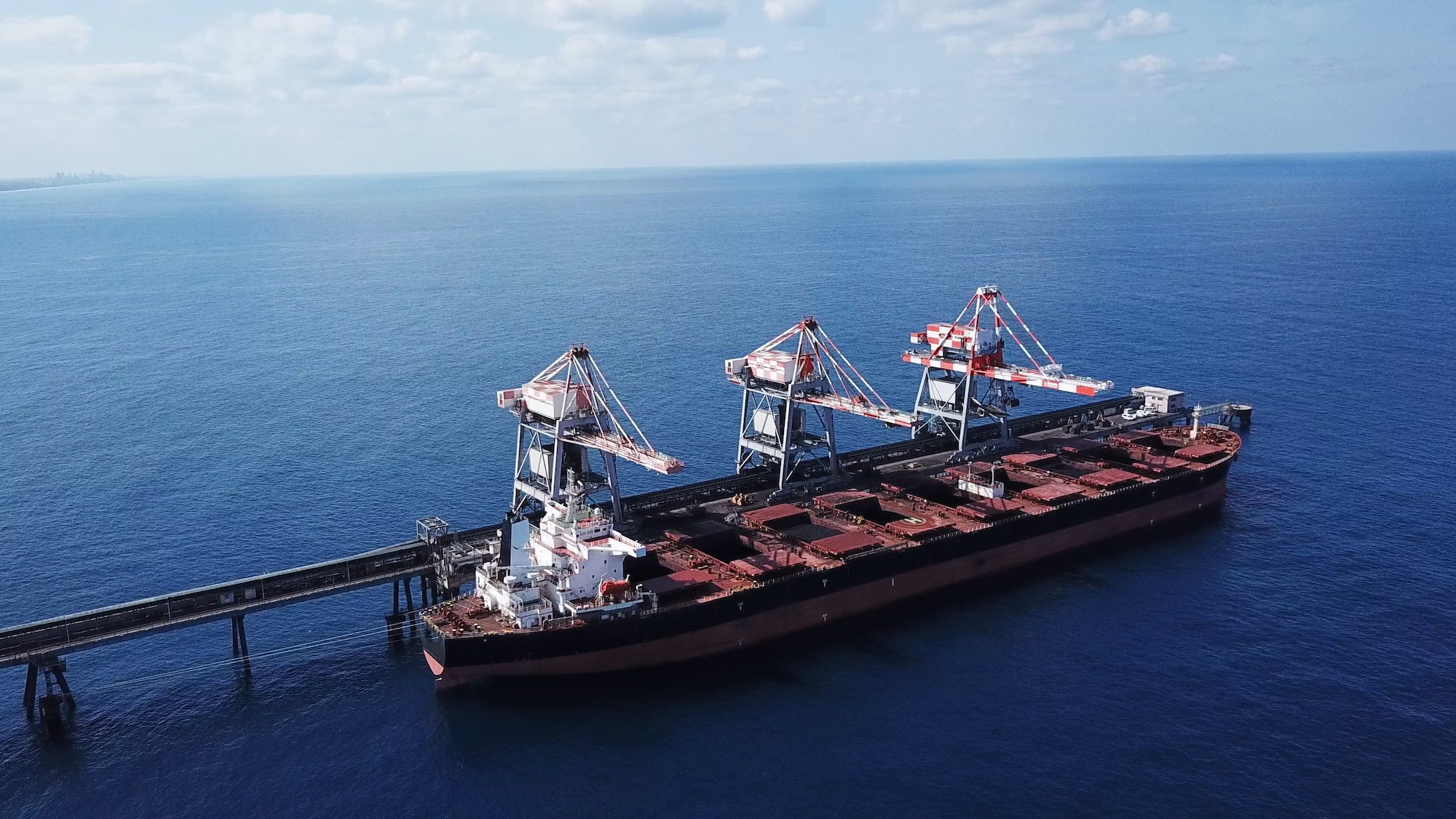
Earnings for dry bulk carriers are projected to lag behind 2024 levels across all vessel classes, despite a robust performance in the second half of 2025. The Baltic Exchange reported that average earnings for Capesize, Panamax, and Handysize vessels all fell, with the Supramax class experiencing the most significant decline. This downward trend raises concerns about the future profitability of the dry bulk shipping sector.
Strong H2 Performance Fails to Offset Declines
Despite a strong finish to 2025, average earnings for dry bulk carriers did not meet expectations. The Baltic Exchange Supramax 11 TC saw a notable year-on-year decline of 9.2%, dropping to $14,275 per day. Similarly, Capesize earnings fell by 5.7% to $21,297 per day, while Panamax and Handysize vessels recorded decreases of 5.2% and 5.9%, respectively. The Capesize 5 TC earnings, which measure the largest dry bulk carriers, declined to a multi-week low of $24,687 per day as of January 2, 2026. This decline was attributed to seasonal softness in Australian iron ore chartering, which reduced demand significantly.
In the Panamax sector, average earnings edged slightly higher to $11,536 per day, indicating a potential stabilization after steep declines in December. However, competition from cheaper Panamax vessels for Australian coal shipments is expected to exert further downward pressure on Capesize earnings. The Baltic Exchange’s transition to a new vessel definition for Capesize vessels may also impact future reporting and earnings assessments.
Market Dynamics and Future Outlook
The dry bulk market is facing several challenges that could hinder recovery in 2026. The ongoing geopolitical tensions, particularly in the South China Sea, have led to delays in cargo discharges at Taiwanese ports, affecting overall cargo liftings. Additionally, Indonesia’s plans to cut approved mining output to stabilize coal prices may further complicate market dynamics.
Despite these challenges, there are signs of potential recovery. The demand for iron ore remains resilient, supported by ongoing contract pricing disputes and regulatory actions affecting Brazilian exports. As the market adjusts to these changes, stakeholders are closely monitoring inventory levels and production forecasts to gauge the potential for a rebound in earnings.
The outlook for 2026 will be detailed in the upcoming Freight Monthly Report, which is anticipated to provide further insights into the evolving landscape of the dry bulk shipping industry.
