
European Nations Intensify Efforts Against Russia’s Shadow Fleet
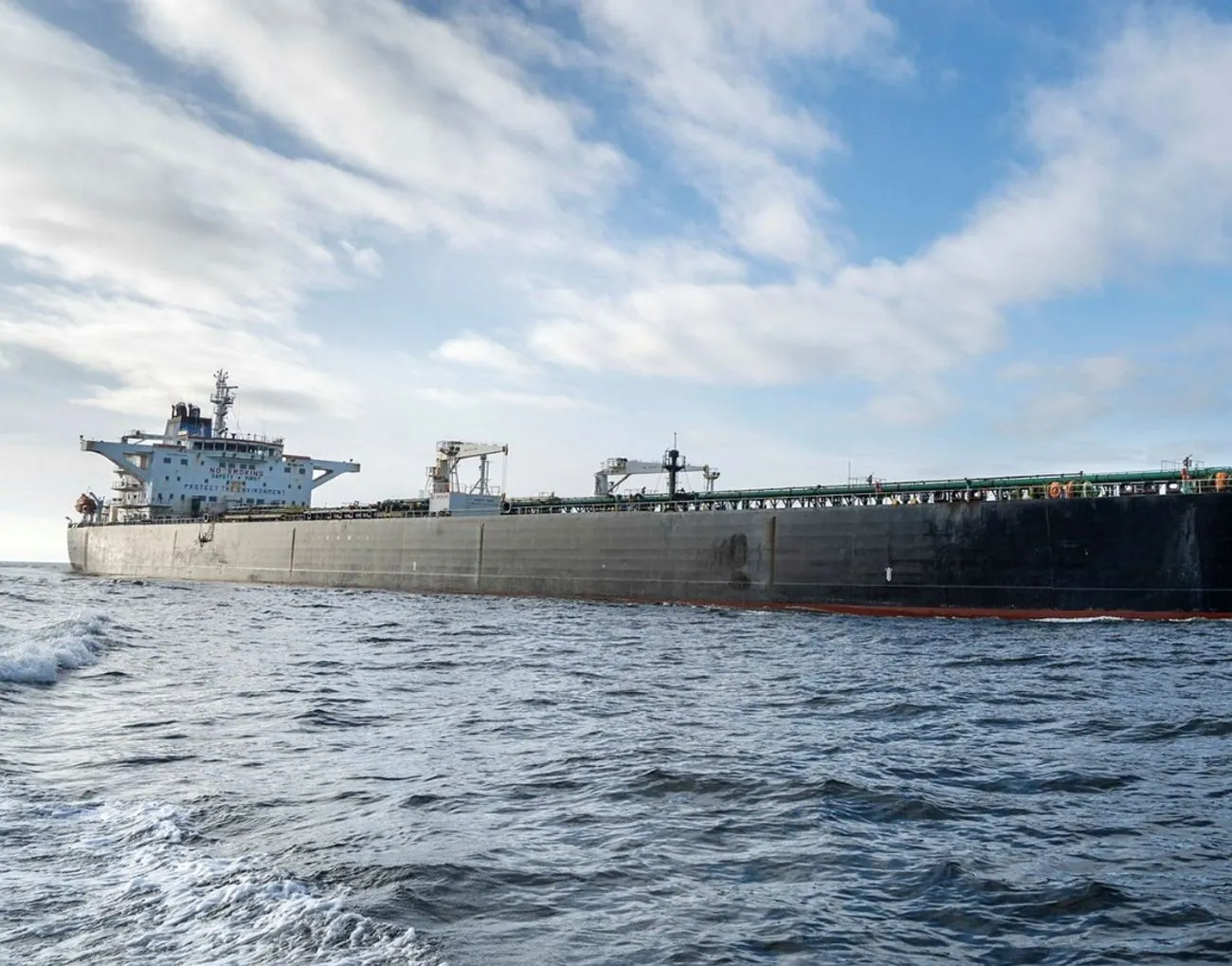
European countries are ramping up measures to counteract Russia’s so-called “shadow fleet,” a term used to describe vessels operating in defiance of international sanctions. This initiative aims to enhance oversight of maritime transport and ensure compliance with existing sanctions, according to a report by the Institute for the Study of War (ISW).
Recent Developments in Maritime Enforcement
Experts from ISW highlighted recent media reports from Ukrainian and international outlets, including Bloomberg and the Ukrainian website “Militarnyi,” that shed light on the ongoing situation. A notable incident occurred on January 16, when the oil tanker Arcusat altered its course from the waters between Denmark and Sweden, heading into German waters before diverting north towards the Arctic coast of Russia. This vessel has reportedly sailed under multiple flags, including those of Tanzania and Cameroon, raising concerns about its compliance with maritime regulations.
In a significant enforcement action, the German federal police denied the crew of the Arcusat entry into the country’s territorial waters, signaling a strict stance against vessels suspected of violating sanctions. This incident underscores the growing vigilance among European nations regarding maritime activities linked to Russia.
Additionally, ISW has indicated that another vessel of interest is the Turkish bulk carrier Hizer Reis. This information was also sourced from the Ukrainian media outlet “Militarnyi,” which has been actively reporting on the movements of ships associated with Russia’s maritime operations.
Context and Implications of Sanctions
The recent actions by European countries come in the wake of heightened tensions following Russia’s military activities. The international community has imposed a series of sanctions aimed at crippling Russia’s economy and limiting its ability to conduct maritime trade. These sanctions have prompted Russia to adapt by utilizing a network of vessels that operate outside traditional regulatory frameworks, often referred to as the “shadow fleet.”
In a related development, a Russian oil tanker that was seized by the United States in the Atlantic Ocean recently arrived in British territorial waters for resupply. This incident further illustrates the complexities of enforcing sanctions and the ongoing challenges faced by nations striving to maintain maritime security.
As European nations continue to strengthen their maritime enforcement capabilities, the situation remains fluid. The effectiveness of these measures will depend on international cooperation and the ability to monitor and control the movements of vessels that may be circumventing sanctions.
